The key distinction is between the thread size and the countersunk head geometry. An M10 thread tells you the bolt fits an M10 internal thread or nut, while the CSK head must match the countersink in the part. If the head diameter or angle differs from the drawing, the bolt may stand proud, sit too deep or lose proper bearing contact.
Length also needs attention. Countersunk bolts are commonly specified by overall length from the top of the head to the end of the thread, unlike many hex bolts that are measured from under the head. Confirm the applicable standard or drawing method so the ordered bolt gives the required grip and thread engagement.
Start with the standard or drawing reference. M10 countersunk bolts can vary by standard, head drive and head profile, so a request such as “M10 CSK bolt” is not enough for production or quotation. State whether the part follows a named standard, a customer drawing or a sample.
Check the countersink fit before focusing on coating or packaging. The head diameter, head height and countersink angle decide whether the bolt sits flush. A mismatch can create assembly gaps, cosmetic defects or uneven load transfer, especially in plates, machinery covers, brackets and fabricated steel parts.
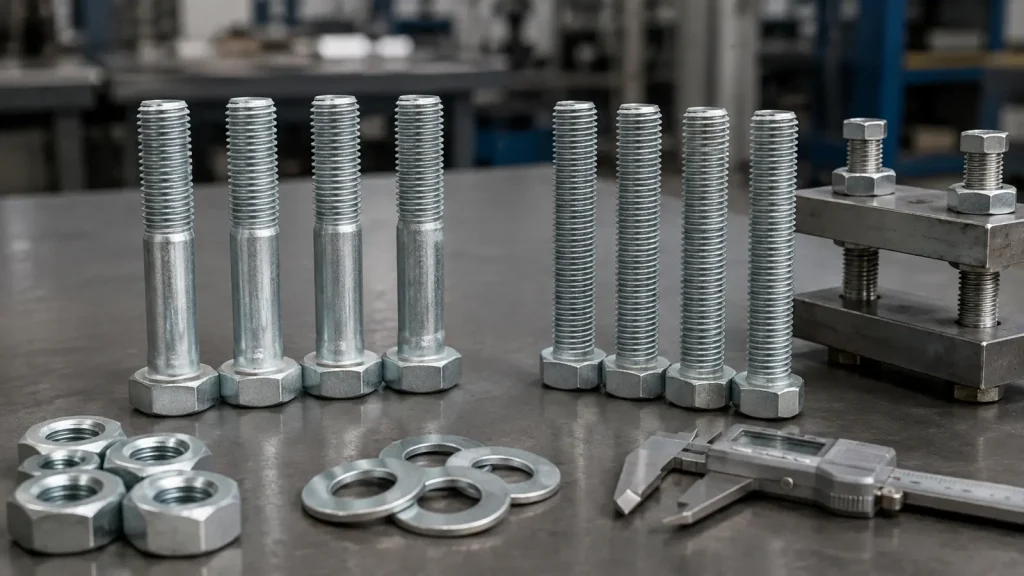
Confirm the thread details. M10 may be coarse or fine pitch, and the bolt may need full thread or partial thread depending on the joint. Full thread can suit thinner assemblies or adjustable clamping, while partial thread may be preferred where an unthreaded shank is needed through the clamped parts.
Choose material and finish for the working environment. Plain steel, zinc-plated, hot-dip galvanized and stainless options serve different corrosion and assembly needs, but coatings can affect fit in threaded holes and countersinks. For an inquiry, send the standard or drawing, length, pitch, head drive, grade, finish and quantity.