Plastic Anchors for Wall Fixings | Hebei Wotu Fastener Manufacturing Co., Ltd.

Plastic anchors for wall fixings

Plastic anchors are chosen for the wall material first, then for the screw, load direction and installation environment. The right anchor grips cleanly without spinning, cracking the base material or leaving the fixing loose after repeated use.

For a buyer comparing plastic anchors, the key decision is not only size. Nylon or other plastic material, rib design, collar style and compatibility with concrete, brick, block, plasterboard or hollow substrates all affect holding performance and installation speed.

Related Products

Countersunk Head Self-Tapping Screw

Countersunk Head Self-Tapping Screw

Brand: Hengzuan Surface: blue and white zinc plated, optional color zinc plated, black oxide treatment Specifications: Follow GB/T846-1985 Chinese national standard, in stock ST4.2/ST4.8/ST5.5 full range of specifications Packaging: 25kg export cartons, full pallets wrapped with film, supports neutral export packaging, private-label customization

Read More
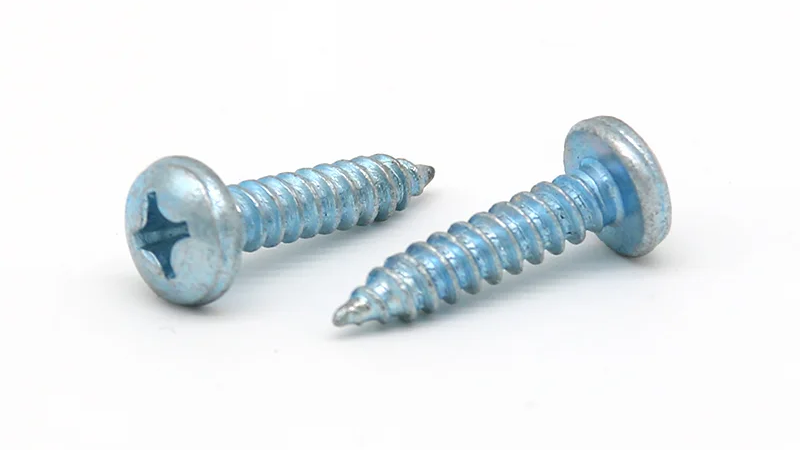
Blue-White Zinc Plated Pan Head With Pad Self-Tapping Screw

Blue-White Zinc Plated Pan Head With Pad Self-Tapping Screw

Brand: Hengzuan Surface: blue and white zinc plated Specifications: in stock ST4.2/ST4.8full range of specifications, length 13~50mm in stock, support nonstandard length customization Packaging: 25kg cartons, solid wood packaging, support neutral packaging, private-label customization

Read More
Wafer Head Self-Drilling Screw

Wafer Head Self-Drilling Screw

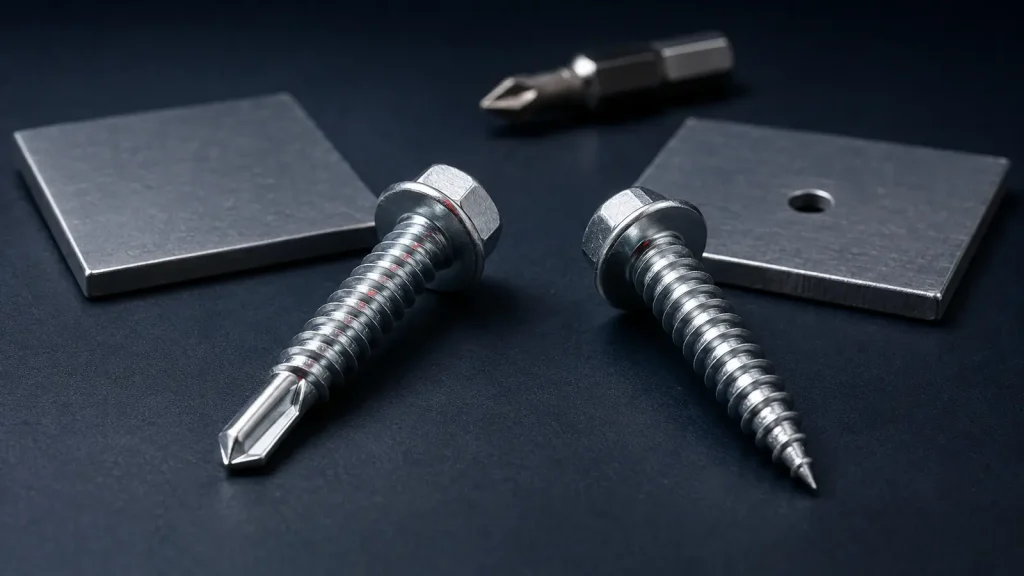
Brand: Hengzuan Surface: blue and white zinc plated, can be customized color zinc plated, black oxide plated Specifications: Comply with GB/T15856.2 Chinese national standard, in stock ST3.5/ST4.2/ST4.8/ST5.5 mainstream wire diameter, rod length 13mm~50mm full range of specifications, nonstandard length customization on demand, drilling applicable plate thickness 2~5mm Packaging: 25kg export cartons, full pallets wrapped with film, supports neutral export packaging, private-label customization

Read More

Plastic anchor selection by wall material and screw fit

Selection criteria

When selecting plastic anchors, compare the base material, anchor shape, plastic material, screw compatibility, collar design and installation method. These details determine whether the anchor will expand correctly, resist spinning and hold the fixture without damaging the wall.

Criterion What To Check Why It Matters Buyer Tip
Base material match Confirm whether the anchor is intended for concrete, solid brick, block, drywall, or another substrate. Plastic anchors grip differently in solid and hollow materials. A plug that expands well in concrete may spin or pull out in a hollow wall. What wall or floor material will the plastic anchor be installed in, and is it solid or hollow?
Screw compatibility Compare the anchor’s accepted screw diameter, screw length, and head style with the fastener you plan to use. An undersized screw may not expand the anchor enough, while an oversized screw can split the plastic or make installation difficult. Which screw size and type will you use with the anchor?
Load direction and duty Identify whether the fixing will hold a light item, a bracket, a cable clip, or a load pulling outward from the wall. Plastic anchors are often suitable for light to medium fixings, but load direction changes the risk of loosening or pull-out. Will the load mainly pull down along the wall, or pull straight out from the surface?
Installation hole size Verify the recommended drill bit size and installation depth before choosing the anchor. Plastic anchors rely on a close fit in the drilled hole. A loose hole reduces holding power, and a shallow hole can stop the anchor seating flush. What drill diameter and hole depth are required for this anchor?
Environment and exposure Ask whether the plastic material is suitable for indoor use, damp areas, outdoor exposure, or contact with chemicals. Moisture, UV exposure, temperature changes, and some chemicals can affect plastic over time. Will the anchor be used indoors, outdoors, or in a damp or exposed location?

Key choices before ordering plastic anchors

The most important distinction is between anchors for solid materials and anchors intended for hollow or weaker substrates. A simple expansion plug can work well in concrete or solid brick because the anchor expands against firm walls. In hollow block or plasterboard, the same plug may not develop reliable grip unless the design spreads, knots or locks behind the surface.

Material choice also matters. Nylon anchors usually offer better toughness and ageing resistance than softer general-purpose plastics, but the final choice should match the screw type, hole quality, expected temperature exposure and whether the fixing is temporary or long-term.

Start with the substrate. Concrete, solid brick, perforated brick, hollow block and board materials behave differently when drilled. If the hole edge crumbles or the cavity is shallow, an anchor that looks correct by diameter may still fail to grip. Tell the supplier the base material and whether the fixing is indoor, outdoor or exposed to moisture.

Match the anchor body to the screw and fixture. The screw must expand the plug properly without splitting it or bottoming out before the fixture is tight. Buyers often focus on anchor length but overlook screw diameter, head style and fixture thickness, which can change the working engagement inside the wall.

Consider installation tolerance. Ribbed anchors can resist rotation during screw driving, flanged anchors can prevent the plug from being pushed too deep, and longer bodies may help in softer masonry. The trade-off is that more aggressive expansion can damage weak substrates if the hole is oversized or drilled with poor control.

For an inquiry to Hebei Wotu Fastener Manufacturing Co., Ltd., ask which plastic anchor types, materials and compatible screw sizes can be supplied, and confirm any packaging, color or application requirements before placing an order. If the fixing is safety-critical, request the relevant test method or performance data rather than relying on appearance alone.

Criteria Importance Description Example Options
Substrate type Usually the first decision factor Solid concrete, solid brick, hollow block and plasterboard need different gripping behavior. The anchor must match how the wall supports expansion or rear locking. A standard expansion plug may suit solid brick, while a hollow wall fixing may be needed for plasterboard.
Screw compatibility Critical for proper expansion The screw diameter, length and thread form affect how the anchor opens inside the hole. A screw that is too small may not expand the plug; one that is too large may split it. A buyer should confirm the intended screw size instead of ordering anchors by outside diameter only.
Anchor body design Important for installation reliability Ribs, splits, collars and body length influence rotation resistance, insertion depth and grip. More aggressive expansion can help in firm materials but may damage weak or brittle substrates. A flanged anchor can stop the plug from being pushed too deep during installation.
Plastic material Important for durability and handling Material affects toughness, flexibility, ageing behavior and how the anchor responds when the screw is driven. Nylon is often selected for tougher applications, while other plastics may suit lighter indoor use. For long-term fixing in a variable environment, buyers often ask whether nylon material is available.
Application and environment Changes the acceptable anchor choice A light decorative fixing, cable clip or bracket may place different demands on the anchor. Moisture, temperature, vibration and repeated loading should be discussed before confirming the product. An indoor cable clip may not need the same anchor design as a bracket fixed into masonry.

Blog Articles / Reviews

How to Choose Self-Tapping Screws for Plastic Parts

How to Choose Self-Tapping Screws for Plastic Parts

Choose self-tapping screws for plastic by matching the thread design to the resin, pilot hole and surrounding plastic, then checking head seating, thread engagement and tightening conditions on actual parts. Screw diameter alone cannot establish a suitable hole size or installation torque. This guide concerns metal screws fastening into plastic components. These screws create their […]

What Is a Fastener? Types, Functions and Industrial Uses

What Is a Fastener? Types, Functions and Industrial Uses

A fastener is a hardware component that mechanically joins or secures parts. Common examples include screws, bolts, nuts and rivets; washers are supporting components used in many fastening assemblies. Some connections can be dismantled by removing threaded fasteners, while others, such as riveted joints, normally require the fastener to be destroyed during removal. In industrial […]

How Should Buyers Evaluate Self Tapping Screws for Project Procurement?

How Should Buyers Evaluate Self Tapping Screws for Project Procurement?

#4 self tapping screws should not be purchased from the “#4” designation alone. For a usable B2B specification, the buyer still needs the actual screw diameter, thread form or pitch, overall length, substrate, pilot-hole condition, head and drive style, material, surface finish and quantity. This matters because suppliers may use different naming systems. Wotu Fastener’s […]

What Should Buyers Verify When Comparing Bolt Manufacturers?

What Should Buyers Verify When Comparing Bolt Manufacturers?

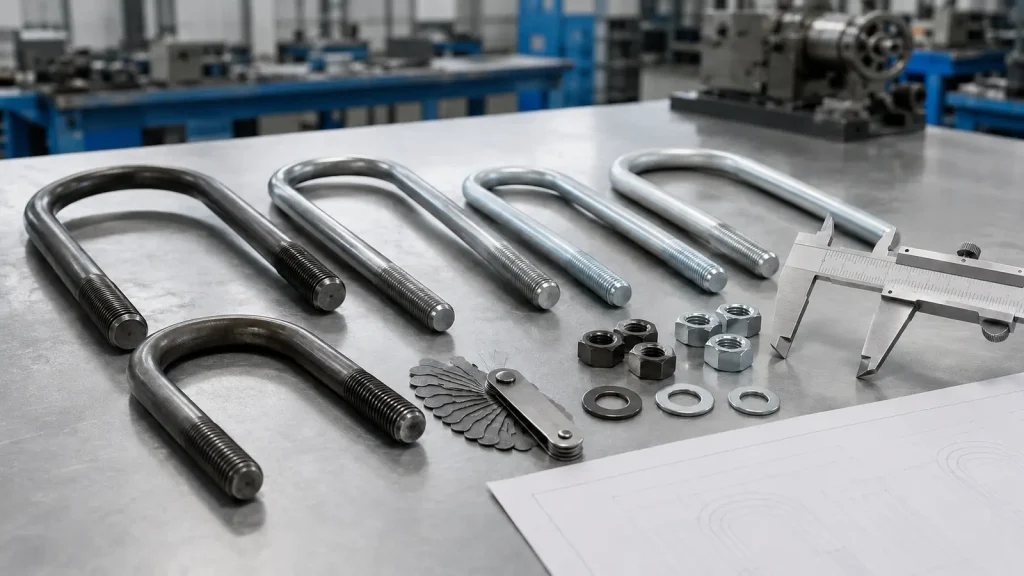
A bolt manufacturer should be evaluated against a defined joint, drawing and acceptance plan—not a product list or unit price alone. Buyers need to verify whether the supplier can manufacture the required geometry, control material and heat-treatment requirements where applicable, manage threads and coatings as one dimensional system, inspect critical characteristics, preserve batch traceability and […]

What Is the Difference Between Self Drilling and Self Tapping Screws?

What Is the Difference Between Self Drilling and Self Tapping Screws?

Direct Answer: A self-drilling screw has a drill-shaped point that creates a hole and then forms mating threads in a suitable material. A self-tapping screw forms or cuts mating threads but may require a correctly sized pilot hole. Selection depends on substrate type and thickness, joint stack, point geometry, installation tool, finish and application testing—not […]

Frequently Asked Questions

Can one anchor type be used for concrete, brick and plasterboard?

Not reliably. A basic expansion plug usually needs a firm drilled hole, so it suits concrete or solid brick better than hollow or board materials. For plasterboard, hollow block or perforated brick, ask for an anchor design that spreads or locks in the cavity rather than only expanding sideways.

Is nylon always better than other plastic materials?

Nylon is often chosen for toughness and durability, especially where the anchor needs to resist cracking during screw insertion. Softer plastics may still be suitable for light-duty indoor fixings or cost-sensitive applications. The better choice depends on the wall material, screw fit, temperature exposure and expected service life.

What causes a plastic anchor to spin in the hole?

Spinning often comes from an oversized or dusty hole, a weak substrate, the wrong screw diameter or an anchor body without enough anti-rotation ribs for the material. It can also happen when the screw is driven too aggressively before the anchor has seated properly. Check drill size, hole cleaning and screw compatibility before changing anchor size.

Should the buyer choose a longer anchor for stronger holding?

A longer anchor can help in softer masonry or when deeper engagement is available, but length alone does not guarantee better holding. If the hole is shallow, the substrate is hollow or the screw does not expand the anchor in the right zone, a longer body may add little value. Match the anchor length to the wall structure, fixture thickness and screw length.

What information should be sent with an inquiry?

Provide the wall material, anchor diameter and length if known, compatible screw size, fixture type and whether the use is indoor or outdoor. Also mention preferred color, packaging quantity and whether the anchor will be supplied alone or with screws. For load-sensitive applications, ask what performance data or test method can be provided.

Leave Your Message

Share the wall material, anchor size or screw size, and the fixture or application. If relevant, include indoor/outdoor use and any preferred packaging or color.