Self Locking Bolt Selection Guide | Hebei Wotu Fastener Manufacturing Co., Ltd.

Self Locking Bolt Selection

A self locking bolt is chosen when a bolted joint must resist loosening from vibration, repeated movement or clamp-load loss. The main decision is not simply bolt size; it is the locking method, mating thread, material, coating and service environment.

For equipment frames, pipe supports, vehicles, machinery guards and structural assemblies, the right design keeps the joint secure without making installation, inspection or later removal harder than necessary.

Related Products

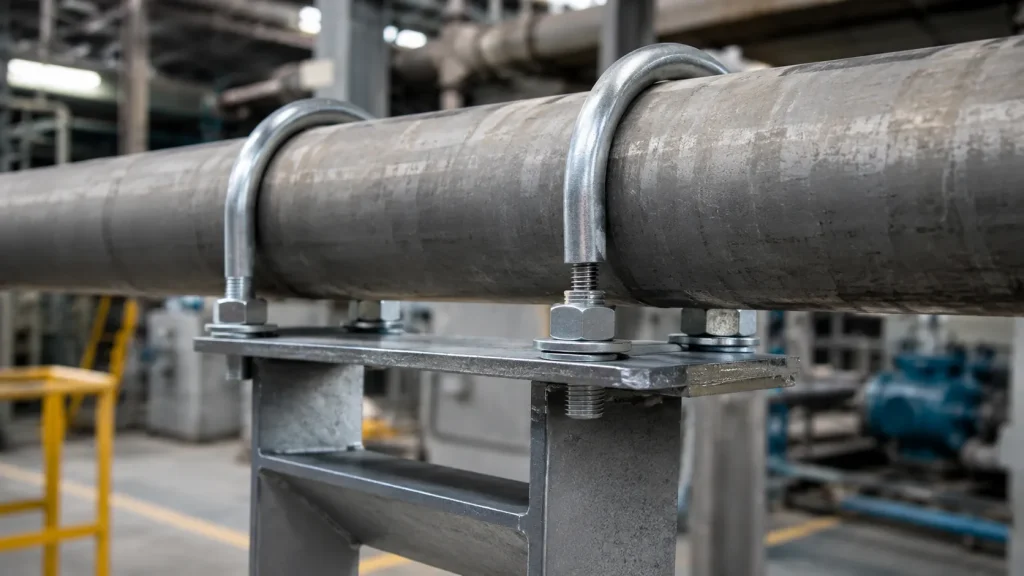
U-bolt ( / U-bolt, M10/M12/M16/M20/M24 multiple specifications)

U-bolt ( / U-bolt, M10/M12/M16/M20/M24 multiple specifications)

Brand: Wotu Surface: natural black oxide / hot-dip galvanized / blue-white zinc plated, multiple processes available Specifications: Based on common industry drawing parameters, suitable for pipe diameter 25mm~139.7mm, screw diameter M10~M24, total length can be nonstandard customized Matching: can be matched with nut, flat washer and spring washer of the same specifications for complete shipment Packaging: Bundling and packaging + 25kg export carton, full-container wooden pallet wrapped with film, supports private-label export packaging

Read More
Wafer Head Self-Drilling Screw

Wafer Head Self-Drilling Screw

Brand: Hengzuan Surface: blue and white zinc plated, can be customized color zinc plated, black oxide plated Specifications: Comply with GB/T15856.2 Chinese national standard, in stock ST3.5/ST4.2/ST4.8/ST5.5 mainstream wire diameter, rod length 13mm~50mm full range of specifications, nonstandard length customization on demand, drilling applicable plate thickness 2~5mm Packaging: 25kg export cartons, full pallets wrapped with film, supports neutral export packaging, private-label customization

Read More
Countersunk Head Blue-White Zinc Plated Self-Drilling Screw (Chinese National Standard: Phillips Countersunk Head Self-Drilling And Self-Tapping Screw GB/T15856.2-2002)

Countersunk Head Blue-White Zinc Plated Self-Drilling Screw (Chinese National Standard: Phillips Countersunk Head Self-Drilling And Self-Tapping Screw GB/T15856.2-2002)

Brand: Hengzuan Surface: blue and white zinc plated, can be customized color zinc plated, black oxide plated Specifications: Comply with GB/T15856.2-2002 Chinese national standard, in stock ST4.2/ST4.8/ST5.5 full range of specifications, length 13mm~75mm optional, supports customized nonstandard rod lengths; drilling adaptation plate thickness 0.7~6mm Packaging: 25kg export cartons, full pallets wrapped with film, supports neutral export packaging, customer private-label customization

Read More
Countersunk Head Blue Zinc Self-Drilling Screw

Countersunk Head Blue Zinc Self-Drilling Screw

Brand: Hengzuan Surface: blue and white zinc plated, can be customized color zinc plated, black oxide plated Specifications: in stock 3.5/3.9/4.2/4.8/5.5 mainstream wire diameter, rod length 13mm~75mm full size range, nonstandard length can be customized as needed Packaging: 25kg export cartons, full wooden pallets wrapped with film, supports neutral export packaging, private-label customization

Read More

Compare self locking bolt designs by locking method and joint conditions

Self locking bolt selection

When comparing self locking bolt options, look at the locking mechanism, thread standard, bolt grade or strength class, head style, length, finish, compatible nut or tapped hole and expected service conditions. The best choice is the one that holds preload reliably while still fitting the available tools and maintenance method.

Criterion What To Check Why It Matters Buyer Tip
Locking method Confirm whether the bolt uses a prevailing-torque thread, nylon insert, serrated flange, patch, distorted thread, or a separate locking nut system. Different locking methods behave differently under vibration, heat, reuse, and surface damage. A nylon or patch lock may suit general assemblies, while all-metal locking is usually considered where heat or chemical exposure is a concern. What locking style is required for the joint, and will the bolt need to be removed and reused during service?
Thread size, pitch, and engagement Match the bolt diameter, thread pitch, length, and engaged thread depth to the mating hole or nut shown on the drawing. A self locking bolt still needs correct thread engagement to hold preload. Wrong pitch or short engagement can damage threads or reduce clamping reliability. Can you provide the mating thread standard, required bolt length, and minimum thread engagement?
Strength grade and preload requirement Specify the bolt grade or property class and confirm the tightening method expected in assembly. The locking feature resists loosening, but the joint still depends on proper clamp load. A grade that is too low may stretch or fail; a grade that is too high may not suit softer mating parts. What property class or standard is on the drawing, and is assembly controlled by torque, angle, or another method?
Coating and corrosion environment Identify the finish needed, such as zinc plating, hot dip galvanizing, black oxide, phosphate, or another coating suitable for the service environment. Coating affects corrosion resistance, thread fit, friction during tightening, and compatibility with the locking feature. Thick coatings can also change thread clearance. Will the bolt be used indoors, outdoors, in contact with moisture, or with dissimilar metals?
Reusable versus one-time locking performance Ask whether the locking feature must maintain resistance after repeated installation and removal. Some self locking designs lose effectiveness after reuse, while others are better suited for maintenance assemblies. This choice affects spare parts planning and inspection intervals. How many removal-and-reinstallation cycles should the joint tolerate before the bolt is replaced?

Key choices before ordering self locking bolts

The key distinction is between a bolt that locks through thread interference, a bolt used with a prevailing-torque nut, and a bolt secured by a separate locking feature such as a washer, adhesive or mechanical restraint. Each approach changes how the joint is installed, how often it can be reused and how predictable the clamp load will be.

A locking feature should not be used to hide a poor joint design. If the bolt is too short, the thread engagement is weak, the coating is unsuitable or the mating parts settle under load, the joint can still loosen. Start with the joint requirements, then choose the locking method that fits the assembly process and maintenance plan.

Match the locking method to the application. For vibration-prone assemblies, ask whether the joint needs prevailing torque, all-metal locking, a nylon insert, adhesive locking or a compatible lock nut. Nylon and adhesive options may suit controlled environments, while all-metal options are often considered where temperature, chemicals or repeated service make polymer features less suitable.

Check thread engagement and mating parts. A self locking bolt still depends on the female thread or nut. Confirm thread standard, pitch, engagement length, hole condition and whether the mating material can hold the required clamp load. A common mistake is focusing on the locking feature while leaving the nut grade, tapped hole depth or washer surface undefined.

Decide how the bolt will be installed and serviced. Some locking designs require higher driving torque than a standard bolt, which affects tool choice and assembly consistency. If the joint will be removed during maintenance, ask whether the locking performance remains acceptable after reuse or whether replacement is expected.

Define the environment before choosing the finish. Indoor machinery, outdoor steelwork, humid areas and chemically exposed assemblies can need different coatings or materials. Share the base material, operating environment, mating nut or tapped component, and any coating compatibility concerns so the recommended bolt does not create corrosion, galling or assembly problems.

Criteria Importance Description Example Options
Locking method Critical to joint performance and serviceability Thread interference, all-metal locking, nylon insert, adhesive locking and separate lock nuts behave differently during installation and removal. A frequently serviced guard may need a locking method that can be inspected and replaced easily.
Temperature and chemical exposure Often determines whether polymer or adhesive features are suitable Heat, oils, solvents or cleaning chemicals can affect some locking materials, while metal-to-metal designs bring their own installation and galling considerations. A hot machine area may require checking whether a nylon or adhesive locking feature is acceptable.
Mating thread condition Essential because the bolt cannot lock properly into a poor thread The nut or tapped hole must match the thread standard and provide enough engagement for the required clamp load. A tapped plate with shallow thread engagement may need a design review before selecting the locking bolt.
Installation torque and tools Important for consistent assembly Some locking designs require higher driving torque than a standard bolt, which can affect hand assembly, power tools and torque control. An assembly line using preset tools should confirm the expected torque range before changing to a prevailing-torque design.
Corrosion protection and material compatibility Important for outdoor, humid or mixed-metal assemblies Coating and base material choices affect corrosion resistance, thread fit, friction and compatibility with the mating part. An outdoor steel bracket may need a finish selected for exposure conditions rather than the cheapest available coating.

Blog Articles / Reviews

What Should an RFQ Include When Sourcing Dacromet Hex Head Self-Drilling Screw?

What Should an RFQ Include When Sourcing Dacromet Hex Head Self-Drilling Screw?

When sourcing dacromet hex head self drilling screw, a complete RFQ should define the application, screw configuration, coating requirement, dimensions, and supplier confirmation requirements. Buyers often receive different quotations because suppliers may interpret coating, size, drilling capability, or packaging scope differently. Before preparing a project inquiry, buyers can review the available fastener product categories to […]

How Should Buyers Evaluate Self Tapping Screws for Project Procurement?

How Should Buyers Evaluate Self Tapping Screws for Project Procurement?

#4 self tapping screws should not be purchased from the “#4” designation alone. For a usable B2B specification, the buyer still needs the actual screw diameter, thread form or pitch, overall length, substrate, pilot-hole condition, head and drive style, material, surface finish and quantity. This matters because suppliers may use different naming systems. Wotu Fastener’s […]

Anchor Bolts: 7 Ordering Errors That Cause Site Rework

Anchor Bolts: 7 Ordering Errors That Cause Site Rework

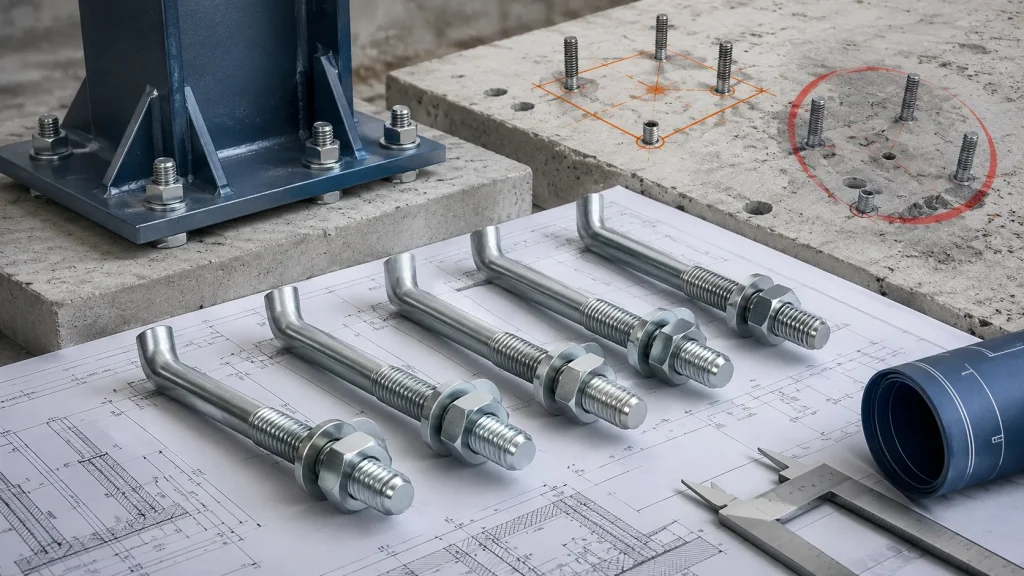
ost anchor bolt ordering errors come from incomplete drawings, unclear dimensions, unsuitable material or coating choices, undefined tolerances, and mismatched nuts or washers. These mistakes affect steel fabricators, EPC contractors, equipment installers, importers, and distributors because anchor bolts are usually embedded before the connected structure arrives on site. Once concrete has cured, even a small […]

Why Do U Bolts Loosen in Pipe Supports? 6 Causes and Prevention Methods

Why Do U Bolts Loosen in Pipe Supports? 6 Causes and Prevention Methods

U bolts usually loosen in pipe supports because the connection loses clamping force, receives continuous vibration, restricts thermal pipe movement, uses an incorrectly sized U bolt, experiences surface settlement, or suffers from corrosion and inadequate inspection. This issue affects EPC contractors, pipe installers, industrial maintenance teams, equipment manufacturers and fastener distributors working with water, oil […]

Which Self-Tapping Roofing Screw Specification Fits Metal Panels on Steel or Timber?

Which Self-Tapping Roofing Screw Specification Fits Metal Panels on Steel or Timber?

The correct self-tapping roofing screw depends on the complete panel-and-substrate stack-up. Steel supports typically require a point and thread matched to the support thickness and any pilot-hole requirement; timber supports require a wood-appropriate thread and sufficient embedment. In both cases, buyers must define diameter, length, head, sealing washer, material or coating, environment, pull-out requirements, and […]

Frequently Asked Questions

Where does a self locking bolt make sense instead of a standard bolt?

It is useful where vibration, impact, cycling load or repeated movement can reduce clamp load over time. Typical examples include machinery brackets, vehicle assemblies, pipe supports and guards, but the joint still needs correct thread engagement, seating surfaces and installation torque.

Is an all-metal locking design better than a nylon insert or adhesive locking method?

All-metal locking is often considered where heat, chemicals or repeated service could affect polymer or adhesive features. Nylon insert or adhesive locking can be suitable in controlled environments, but they may have limits on temperature, reuse and contamination during installation.

Does the locking feature replace the need for correct torque?

No. The locking feature helps resist rotation, but the joint still depends on proper preload, thread fit and bearing surface condition. Under-tightening, over-tightening or using the wrong mating nut can still lead to joint failure or difficult removal.

Can the bolt be reused after removal?

That depends on the locking method and the condition after disassembly. Some prevailing-torque or adhesive features lose effectiveness after use, so ask whether replacement is recommended for maintenance joints.

What information should be confirmed before ordering?

Confirm thread standard and pitch, diameter, length, head style, strength class, coating or material, mating nut or tapped hole, and the service environment. Also state whether the joint faces vibration, heat, moisture, chemicals or routine disassembly.

Leave Your Message

Send the thread size and pitch, bolt length and head style, plus the application environment and mating nut or tapped material. If the joint is exposed to vibration, heat, moisture or regular disassembly, include those details as well.