Shed Sheet Fixing Choices | Hebei Wotu Fastener Manufacturing Co., Ltd.

Shed Sheet Fixing Choices

Shed sheets need to match the shed frame, the local exposure, and the way the sheet will be fixed. A roof sheet that looks suitable on thickness or finish alone can still leak, rattle, or tear around the fixing points if the profile, overlap, and fastener choice are wrong.

For an enquiry to Hebei Wotu Fastener Manufacturing Co., Ltd., the useful starting point is the application: roofing or wall cladding, metal or plastic sheet, timber or steel support, and whether you need the sheet itself, the matching screws and washers, or guidance on compatible fixing hardware.

Related Products

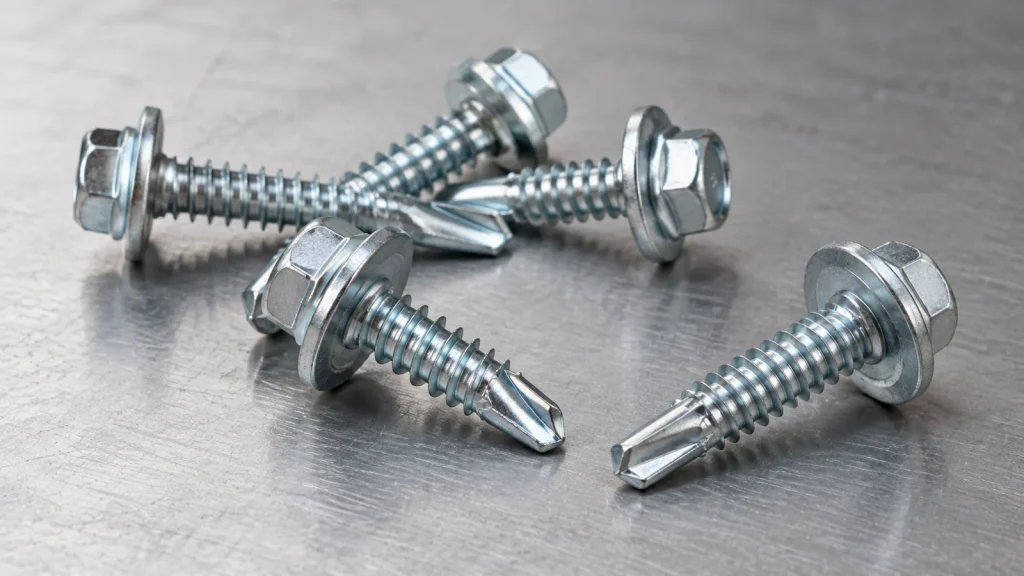
Painted Hex Head Self-Drilling Screw

Painted Hex Head Self-Drilling Screw

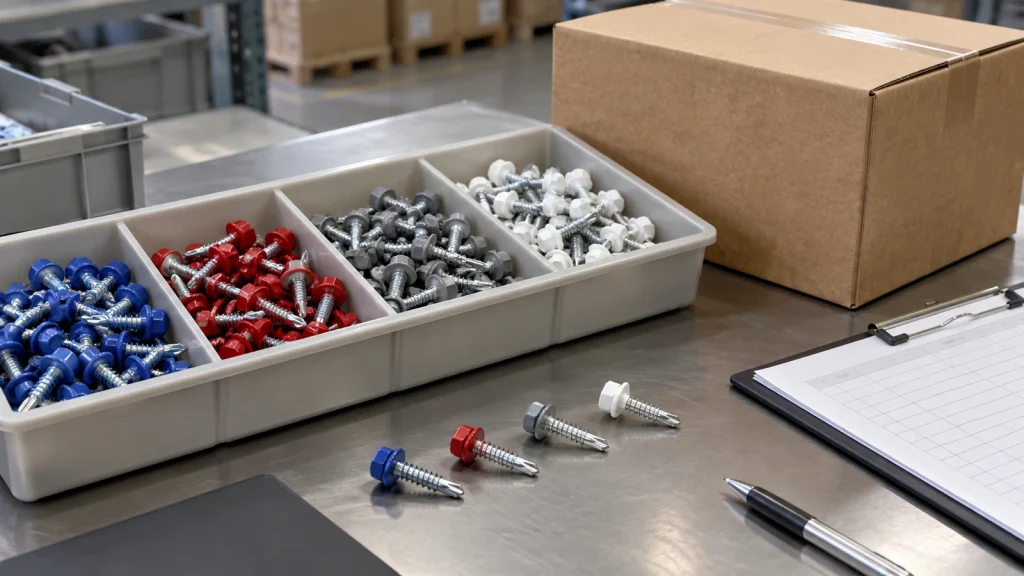
Brand: Hengzuan Surface: screw color zinc plated + hex head outdoor paint Specifications: ST5.5, ST6.3, rod length 25mm~120mm in stock, supports nonstandard customization, suitable for drilling steel sheets 2~5mm Packaging: 25kg cartons, whole wooden pallets

Read More
Blue-White Zinc Plated Pan Head With Pad Self-Tapping Screw

Blue-White Zinc Plated Pan Head With Pad Self-Tapping Screw

Brand: Hengzuan Surface: blue and white zinc plated Specifications: in stock ST4.2/ST4.8full range of specifications, length 13~50mm in stock, support nonstandard length customization Packaging: 25kg cartons, solid wood packaging, support neutral packaging, private-label customization

Read More
Hex Head Self-Drilling Screw

Hex Head Self-Drilling Screw

Brand: Hengzuan Surface: color zinc plated Specifications: ST4.2/ST4.6/ST4.8/ST5.5/ST6.3, length 80mm~165mm in stock Packaging: 25kg cartons, packed in whole pallets, supports neutral private-label

Read More
White Zinc Plated Hex Head Self-Drilling Screw

White Zinc Plated Hex Head Self-Drilling Screw

Brand: Hengzuan Surface: blue and white zinc plated, optional black oxide, color zinc plated coating Specifications: in stock 4.2/4.8/5.5/6.3mm wire diameter, length 16mm~165mm full size range, supports nonstandard customized rod length Packaging: 25kg export cartons, full-container wooden pallets wrapped with film, supports neutral packaging, private-label customization

Read More
Hex Head No. 5 Point Self-Drilling Screw

Hex Head No. 5 Point Self-Drilling Screw

Brand: Wotu Surface: blue and white zinc plated, customized color zinc plated, Dacromet anti-corrosion coating available Specifications: ST5.5, ST6.3 mainstream specifications, rod length 20mm~125mm, full size range in stock, support nonstandard customization, drilling to adapt to steel sheet 2-6mm Packaging: 25kg cartons, whole wooden pallets

Read More

Wafer Head Self-Drilling Screw

Wafer Head Self-Drilling Screw

Brand: Hengzuan Surface: blue and white zinc plated, can be customized color zinc plated, black oxide plated Specifications: Comply with GB/T15856.2 Chinese national standard, in stock ST3.5/ST4.2/ST4.8/ST5.5 mainstream wire diameter, rod length 13mm~50mm full range of specifications, nonstandard length customization on demand, drilling applicable plate thickness 2~5mm Packaging: 25kg export cartons, full pallets wrapped with film, supports neutral export packaging, private-label customization

Read More

Shed Sheet Materials and Fixing Choices

Selection criteria

Relevant selection criteria include sheet material, roof or wall use, profile shape, support material, corrosion exposure, washer type, and the required fixing position. These details determine whether the enquiry should focus on the shed sheet itself, compatible fasteners, sealing washers, or a complete fixing recommendation.

Criterion What To Check Why It Matters Buyer Tip
Sheet profile and coverage Compare the sheet shape, rib pattern, and stated effective cover after side and end laps. The profile affects roof stiffness, drainage, overlap planning, and the number of sheets required. Ask which profile suits your shed roof pitch and what cover remains after joining adjacent sheets.
Material and protective finish Confirm the base material, surface coating, colour finish, and intended outdoor exposure. These details influence corrosion resistance, appearance, and service life in damp or coastal conditions. Ask for the material and coating description, and explain the site environment before choosing a finish.
Sheet length and handling Match available sheet lengths and widths to the roof layout, access route, and available support structure. Longer sheets can reduce joints, but they may be harder to transport and position without damage. Provide the roof dimensions and ask which sheet sizes minimise cutting and awkward handling.
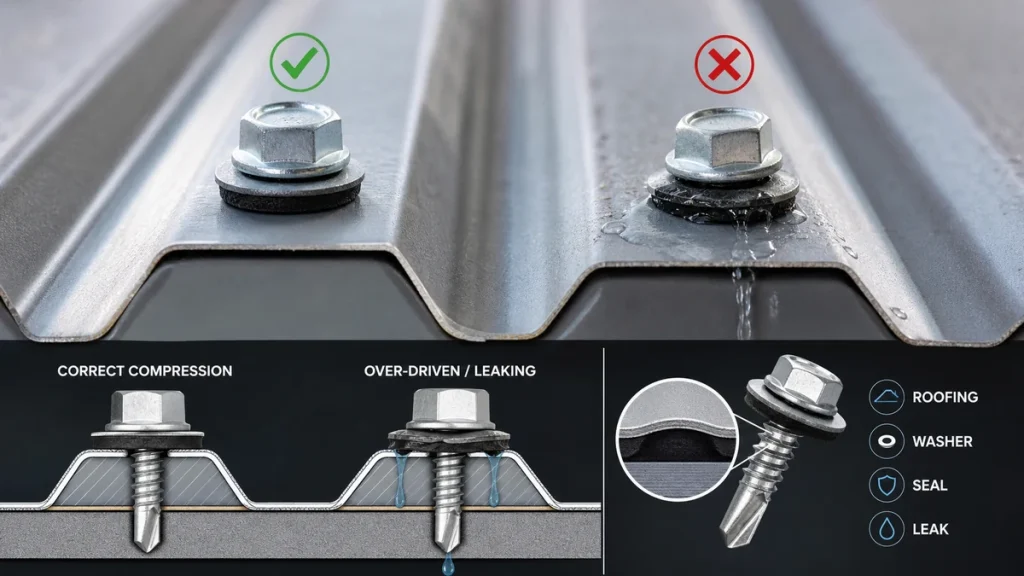
Fixings and weather sealing Check the recommended fastener type, washer or seal arrangement, and fixing points for the selected profile. Incorrect fixings or poorly sealed penetrations can allow leaks, loosen sheets, or damage the coating. Ask for a fixing guide for the sheet profile and confirm whether compatible fasteners are supplied.
Condensation and underside treatment Find out whether the sheet has an anti-condensation backing or needs a separate membrane and ventilation plan. Moisture forming beneath the roof can drip onto stored tools, equipment, or materials inside the shed. Describe the shed’s ventilation and contents, then ask how condensation should be managed.

Key Checks Before Ordering Shed Sheets or Fixings

The main distinction is between choosing the shed sheet and choosing the fixing system. The sheet controls coverage, stiffness, weather resistance, light transmission, and appearance. The fastener controls clamp load, sealing, corrosion compatibility, and how well the sheet stays fixed during wind and temperature movement.

This matters because a durable sheet can fail early if it is fixed with the wrong screw point, washer, or coating. For example, a steel sheet on a steel frame usually needs a different fixing approach from a plastic sheet on timber battens. Confirm the sheet profile and support material before deciding on screws, washers, sealing accessories, or any replacement parts.

Start with the sheet material. Galvanized or coated steel is common for strength and weather protection, while translucent plastic sheets are used where daylight is important. Plastic sheets need more allowance for movement and careful washer selection; metal sheets need attention to coating compatibility and cut-edge protection.

Check the profile and overlap before buying fixing parts. Corrugated, box-profile, and ribbed sheets sit differently on purlins or battens, so the fixing position, washer shape, and screw length may change. A common mistake is choosing a screw only by total length without checking the crest height, sheet build-up, and frame thickness.

Match the fastener to the structure. Timber frames, light-gauge steel, and heavier steel members need different screw points and thread forms. Also confirm whether the fixing will go through the crown or valley of the sheet profile, because this affects sealing and load distribution.

For the next step, send the sheet material, sheet profile or a photo, support material, and whether the fixing is for a roof or wall. If the enquiry includes replacement parts, include the existing screw size or a clear photo of the current fastener and washer.

Criteria Importance Description Example Options
Sheet material High impact on durability, movement, and fixing choice Metal sheets and plastic sheets behave differently under load, weather, and temperature change. The material affects washer selection, screw type, overlap, and how tightly the sheet should be clamped. A coated steel roof sheet may need corrosion-compatible fasteners, while a translucent plastic sheet may need fixings that allow more movement.
Support material Essential for choosing the screw point and thread The fastener must match the structure beneath the sheet. Timber battens, light steel, and thicker steel members require different fixing designs to hold properly. A screw suitable for timber battens may not drill or grip correctly in a steel purlin.
Sheet profile and fixing position Important for sealing and mechanical hold Corrugated, ribbed, and box-profile sheets have different crest heights and contact points. The profile affects screw length, washer shape, and whether the fixing is placed through the crown or valley. A deep ribbed sheet may need a longer fastener than a flatter wall cladding sheet with the same frame thickness.
Roof use versus wall use Important because water exposure and load direction differ Roof sheets face more direct rain flow and uplift forces than many wall sheets. Wall cladding may place more emphasis on appearance and panel alignment, while roof fixing must give strong sealing and resistance to movement. A roof application may require closer attention to washer sealing than an internal wall cladding repair.
Replacement versus new installation Changes the amount of information needed before ordering Replacement work often needs compatibility with existing sheet profiles, hole positions, and fastener sizes. New installations allow more freedom to choose a sheet and fixing system together. For replacement screws, a photo of the existing screw and washer can be more useful than a general description of the shed.

Blog Articles / Reviews

Hex Head Self-Drilling Screws with Cup Washers: Choosing Drill Point and Length

Hex Head Self-Drilling Screws with Cup Washers: Choosing Drill Point and Length

Choosing a hex head self-drilling screw with a cup washer requires more than selecting ST5.5 or ST6.3 and a nominal length. The drilling point must suit the steel it penetrates; the threaded section must engage the intended supporting material; and the head-and-washer assembly must seat correctly on the outer panel. A screw’s drilling capacity is […]

What Should Buyers Confirm When Ordering Color Nylon Head Hex Self-Drilling Screws?

What Should Buyers Confirm When Ordering Color Nylon Head Hex Self-Drilling Screws?

When ordering a chinese standard color nylon head hex self drilling screw, the RFQ should define more than a color name. Buyers should confirm the exact color reference, nylon head or cap configuration, base screw diameter and length, steel-sheet condition, metallic screw finish, visible-face requirement, color approval method, batch-consistency check and packaging or SKU separation. […]

What RFQ Details Matter When Ordering Blue Zinc Winged Self-Drilling Screws?

What RFQ Details Matter When Ordering Blue Zinc Winged Self-Drilling Screws?

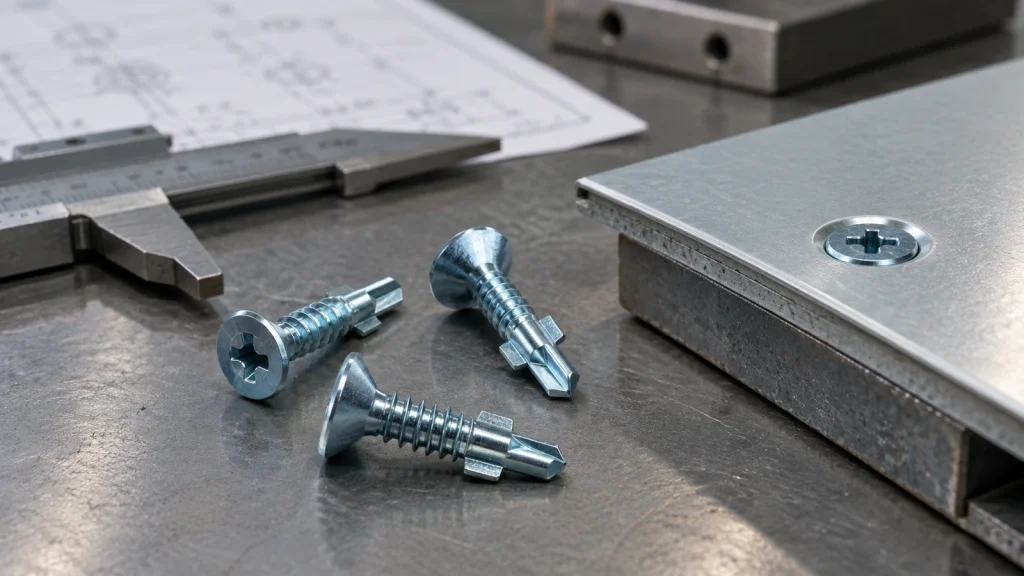
When ordering a blue zinc self drilling screw with a winged, countersunk configuration, diameter and length are not enough to define the application. The RFQ should identify the materials being connected, upper-material thickness, steel-substrate thickness, total material stack, required countersunk seating, screw diameter, total length, drill-point condition, wing geometry, surface treatment, installation method, quantity and […]

What Should Buyers Verify When Comparing Bolt Manufacturers?

What Should Buyers Verify When Comparing Bolt Manufacturers?

A bolt manufacturer should be evaluated against a defined joint, drawing and acceptance plan—not a product list or unit price alone. Buyers need to verify whether the supplier can manufacture the required geometry, control material and heat-treatment requirements where applicable, manage threads and coatings as one dimensional system, inspect critical characteristics, preserve batch traceability and […]

Why Do Self-Tapping Roofing Screws Leak Even When the Screw Length Looks Correct?

Why Do Self-Tapping Roofing Screws Leak Even When the Screw Length Looks Correct?

Direct answer: Correct screw length does not guarantee a watertight metal-roof connection. Self tapping roofing screws can leak because of incorrect washer compression, enlarged or stripped holes, insufficient thread engagement, panel movement, or an unsuitable coating-and-washer system. Buyers should diagnose the complete installed connection—including panel profile, support thickness, point type, washer condition, and exposure—rather than […]

Anchor Bolts: 7 Ordering Errors That Cause Site Rework

Anchor Bolts: 7 Ordering Errors That Cause Site Rework

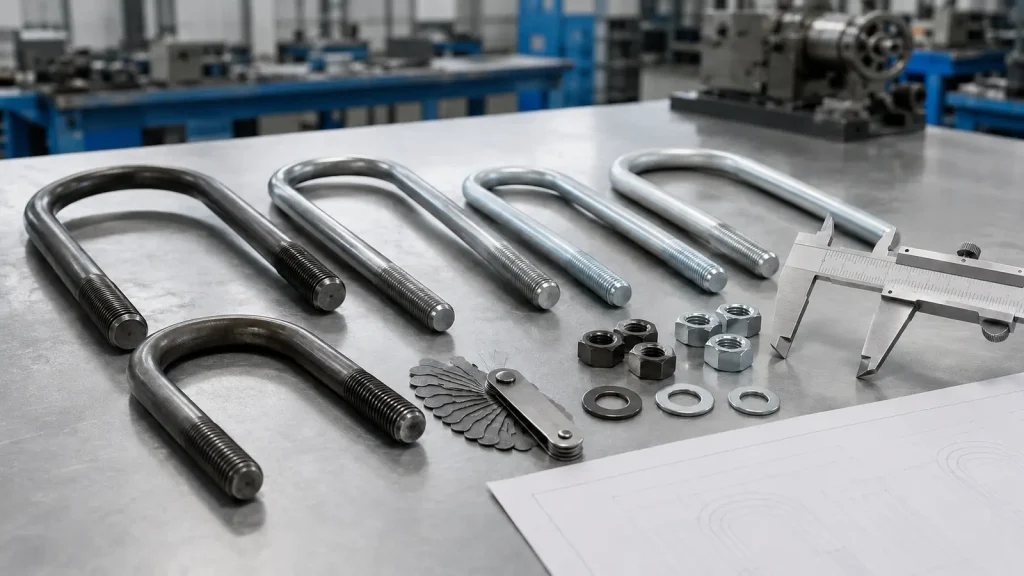
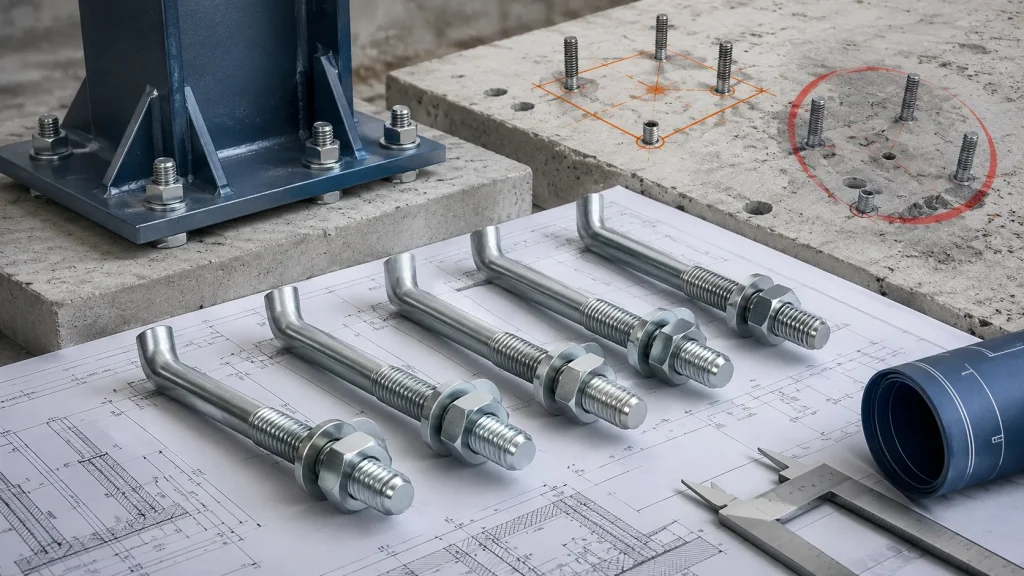
ost anchor bolt ordering errors come from incomplete drawings, unclear dimensions, unsuitable material or coating choices, undefined tolerances, and mismatched nuts or washers. These mistakes affect steel fabricators, EPC contractors, equipment installers, importers, and distributors because anchor bolts are usually embedded before the connected structure arrives on site. Once concrete has cured, even a small […]

Frequently Asked Questions

What information is needed to choose suitable fixings for a shed roof sheet?

The key details are the sheet material, sheet profile, support material, and whether the sheet is used on a roof or wall. A clear photo of the profile and existing fastener, if replacing parts, can help identify the screw type, washer style, and likely fixing position.

Is a thicker sheet always the better choice?

Not always. Thicker metal sheet can add stiffness and durability, but it may cost more and still needs the correct overlap and fixing pattern. For some sheds, profile shape, coating, support spacing, and sealing at the fasteners matter as much as sheet thickness.

Can the same screw be used for timber and steel shed frames?

Usually not. Timber, light-gauge steel, and heavier steel supports need different screw points and thread designs. Before ordering, confirm the frame material and approximate thickness so the fastener can drill, grip, and seal correctly.

What is the difference between fixing through the crown and the valley of a sheet?

Fixing through the crown is often used on some corrugated roof sheets because it keeps the fastener higher from water flow, but it needs the right washer and screw length. Valley fixing may be used on certain profiles or wall sheets, depending on the sheet design and manufacturer guidance. The sheet profile should be checked before deciding.

Why do some shed sheets leak around the screws?

Common causes include the wrong washer, over-tightening, under-tightening, poor screw alignment, or using a fastener that does not suit the sheet and frame. Plastic sheets can also move with temperature changes, so washer choice and hole allowance become especially important.

Should the enquiry focus on the sheet or on the fixing hardware?

That depends on the purchase need. If you are replacing damaged cladding, the sheet material, profile, size, and finish are the main points. If the sheets are already selected, the enquiry should focus on compatible screws, washers, sealing parts, and the support structure.

Leave Your Message

Please include the shed sheet material and profile, the support material such as timber or steel, and whether the fixing is for roof or wall use.