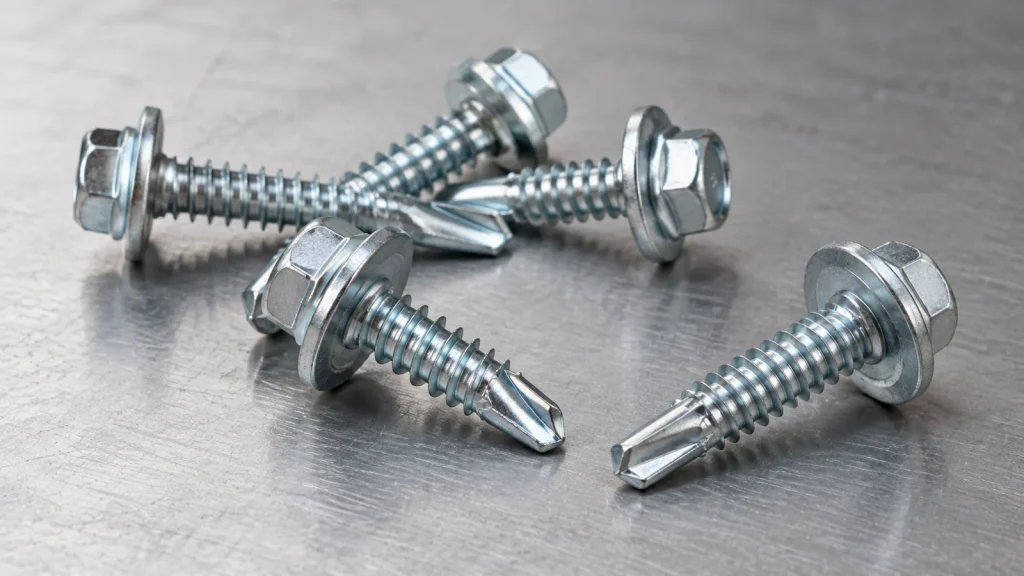
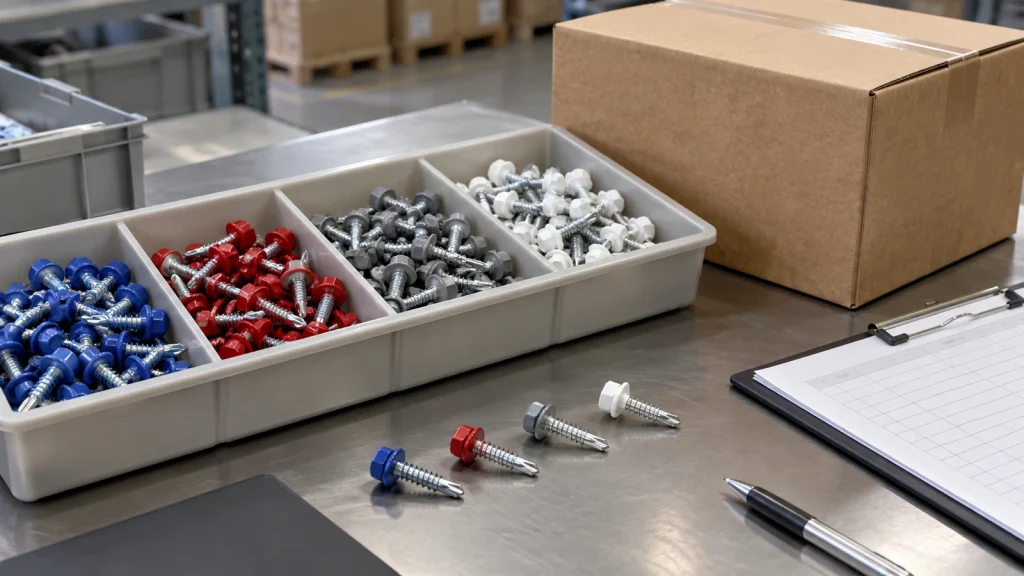
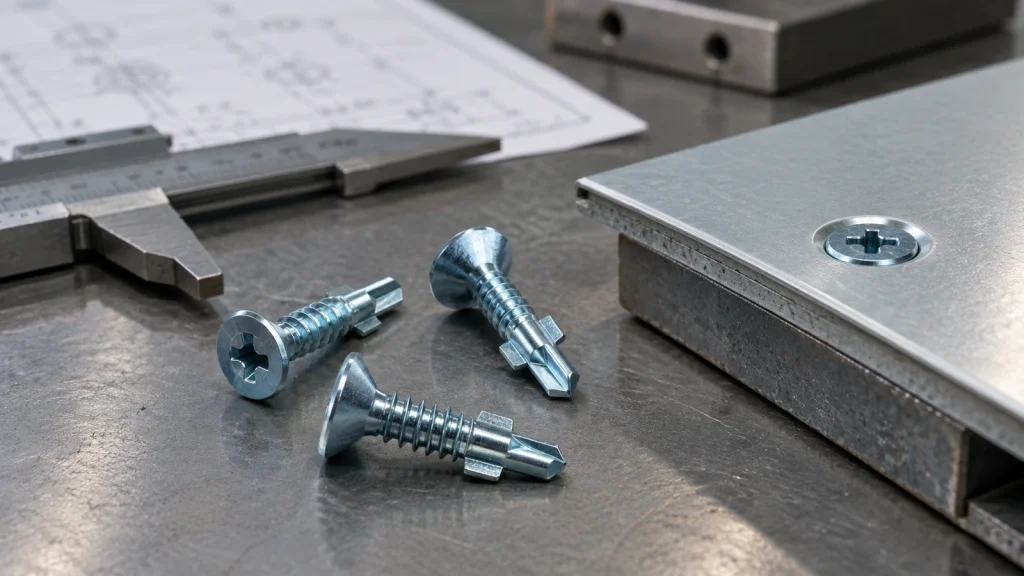
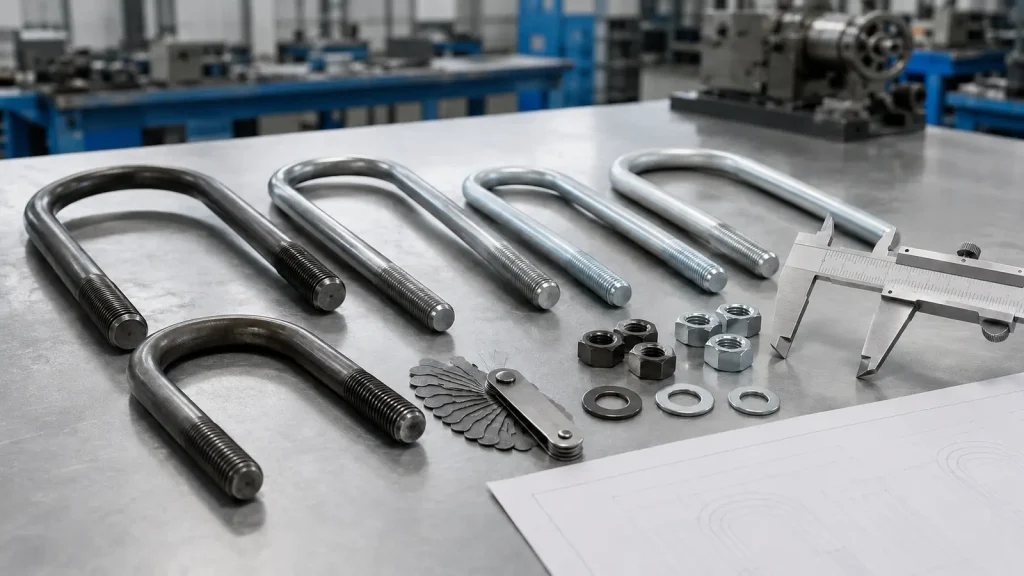
The key distinction is between fasteners that clamp thin sheet to a light frame and fasteners that carry heavier structural loads. Sheet-to-frame fixing often needs self-drilling or self-tapping screws with sealing washers, while frame joints may need bolts, nuts, and washers sized for the connection.
This matters because one fastener type rarely suits every part of a shed. A roof sheet needs weather sealing and pull-out resistance; a door hinge or base bracket may need stronger bearing support and easier maintenance access.
Start with the materials being joined. Thin steel sheet, galvanized panel, painted sheet, timber purlin, and steel tube all affect the point style, thread type, washer choice, and coating. A fastener that works well in timber may not drill cleanly into steel, and an unsealed screw on a roof can become a leak point.
Consider the shed location and exposure. Outdoor sheds face rain, temperature change, wind movement, and possible corrosion. Ask about suitable surface finishes and washer materials for your environment rather than choosing only by diameter or length.
A common mistake is selecting fasteners after the shed sheets have already been ordered. Panel thickness, rib height, overlap layout, and frame spacing can change the correct fastener length and head style. Share drawings or photos before purchase so the fixing points can be checked against the actual shed design.
For an inquiry, prepare the sheet material, frame material, approximate panel thickness, and where each fastener will be used: roof, wall, ridge, door hardware, base plate, or frame joint. Hebei Wotu Fastener Manufacturing Co., Ltd. can then confirm whether suitable fastener options are available for those positions.