The most useful distinction is between the sheet price per unit and the installed cost of the roof or cladding system. A thinner or lower-cost sheet may reduce the first quotation, but it can need closer support spacing, more careful handling, or a better fastening setup to avoid deformation, pull-out, or water ingress.
For a meaningful comparison, ask each seller to quote the same sheet type, coating, thickness, effective cover width, cut length, color, packing method, and delivery terms. If fasteners are part of the inquiry, confirm screw type, drilling point, washer material, coating compatibility, and the substrate being fixed into, such as steel purlins or timber.
Start with the application. A residential roof, factory shed, farm building, partition wall, and temporary enclosure do not need the same sheet specification. Roof pitch, wind exposure, rainfall, chemical environment, and the distance between supports all influence whether a cheaper sheet is suitable or a false economy.
Compare like with like. Many price differences come from profile depth, base metal, coating system, paint finish, usable cover width, and custom-cut length. Two quotes can look similar by piece count while covering different areas or offering different durability. Ask for the effective coverage, not only the nominal sheet width.
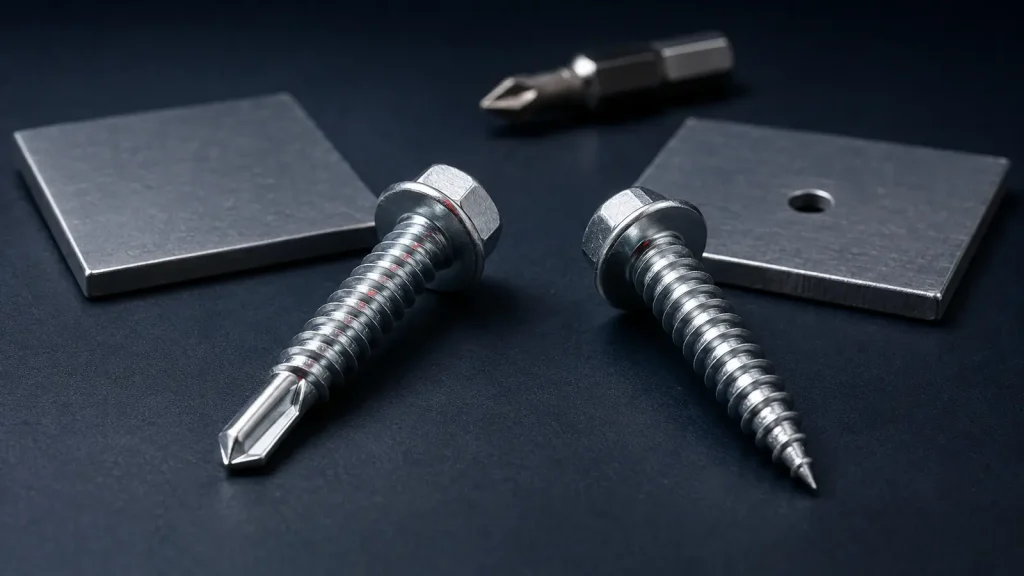
Do not treat fasteners as an afterthought. For metal sheets, the screw, washer, sealing surface, and corrosion protection must suit both the sheet and the supporting frame. The wrong fastener can cause leaks, rust staining, loosening, or damaged coating around the hole. Confirm whether the installation needs self-drilling screws, roofing screws with bonded washers, stitching screws, or other fixing parts.
A practical next step is to send the roof or wall area, sheet profile preference, required thickness or grade if known, color, cut lengths, support material, and project location. If those details are not fixed yet, share the building type and installation conditions so the quotation can be framed around realistic options rather than a single loose price.