The first practical distinction is between a bearing-type joint and a slip-resistant joint. In a bearing-type joint, load is transferred after the connected parts bear against the bolt shank or threads. In a slip-resistant joint, clamping force and friction between the joined surfaces are more important, so tightening control, surface condition, and washer selection matter more.
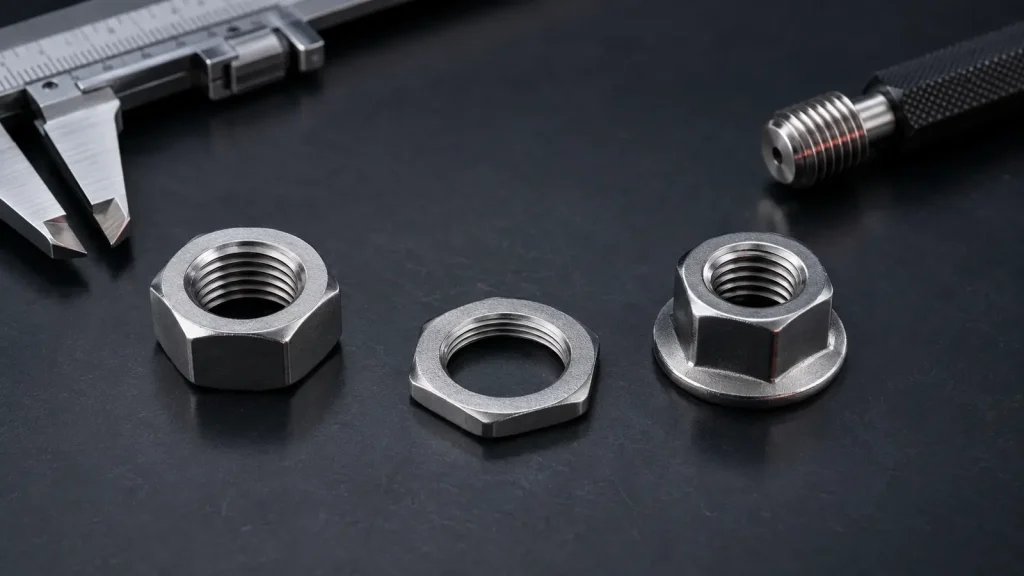
This distinction changes the inquiry. If the joint only locates two parts or carries a modest static load, buyers may focus on fit, corrosion resistance, and assembly speed. If the joint is structural, vibrating, or safety-related, the buyer should confirm the design standard, bolt property class or grade, compatible nuts and washers, and the tightening procedure before ordering.
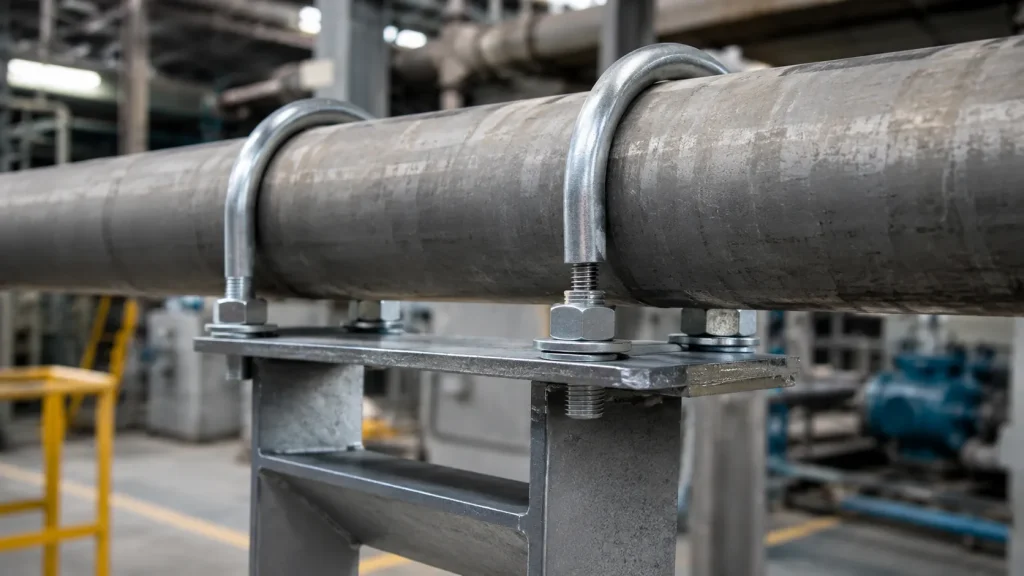
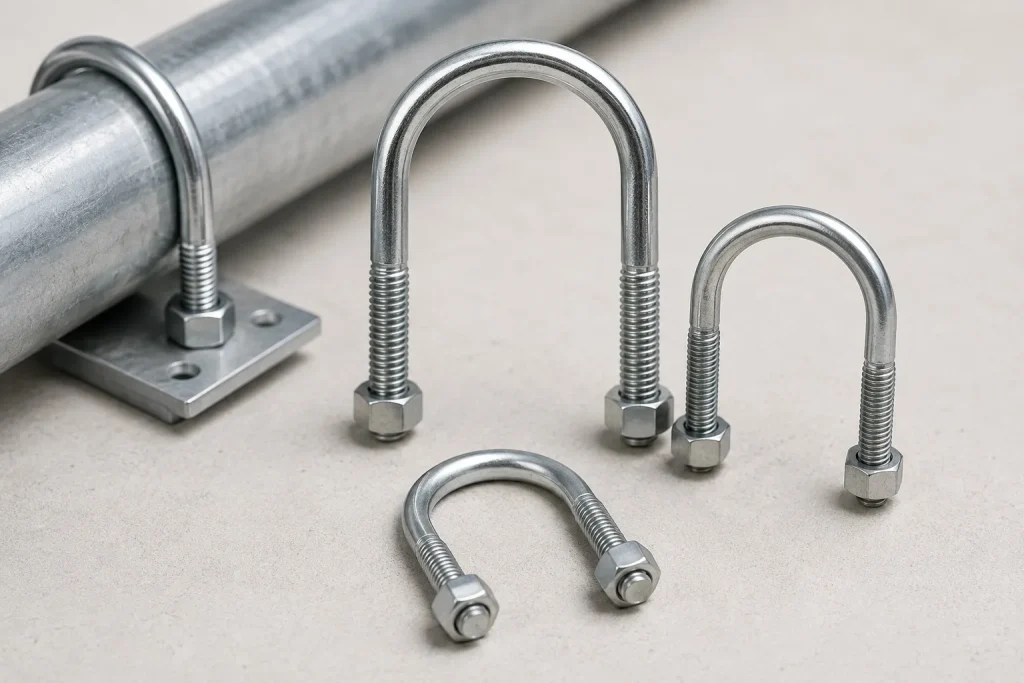
Start with the joint function. Tell the supplier whether the bolts clamp two plates, connect a bracket to a frame, fasten a base plate, or hold a pipe support. Also identify the load direction: tension through the bolt, shear across the bolt, combined loading, vibration, or repeated movement. This information affects the bolt grade, shank length, nut choice, and locking method.
Check the hole and grip details before selecting length. The bolt should suit the total thickness of member A, member B, washers, and any coating or spacer. A common mistake is choosing length from plate thickness alone and leaving too little thread engagement, too many exposed threads in the shear plane, or insufficient allowance for washers.
Match the finish to the environment and assembly method. Plain or blackened fasteners may be suitable for protected indoor assemblies, while outdoor or humid service often needs a protective coating. Coating thickness can affect thread fit, so confirm that the bolt, nut, and washer finish are compatible rather than mixing parts from unrelated sources.
For the next step, prepare a simple joint note: member materials, total grip thickness, hole type, bolt diameter or required design load if known, service environment, and any standard your project follows. If the design is not finalized, ask which bolt, nut, and washer combination can be quoted for review by your engineer.