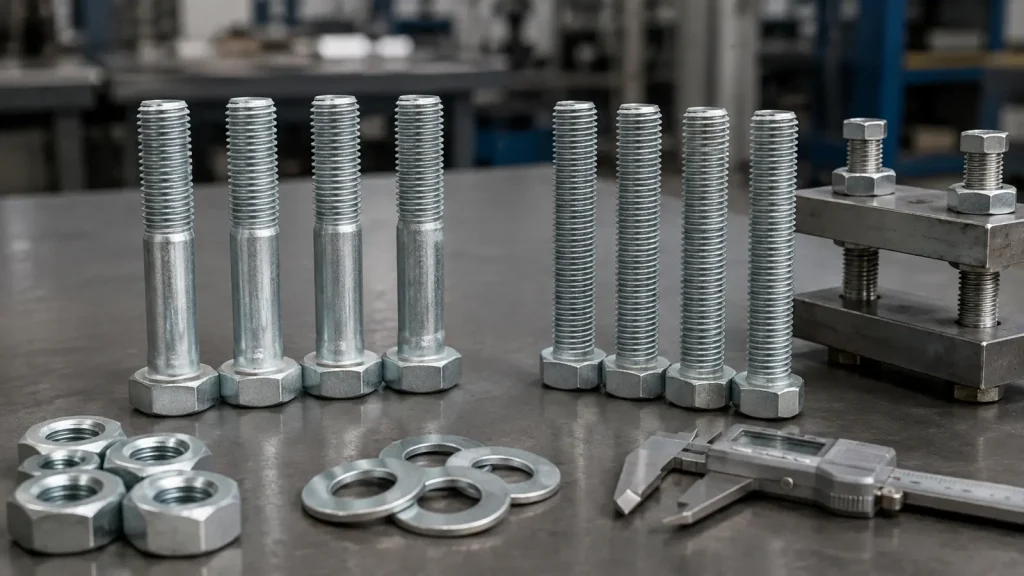
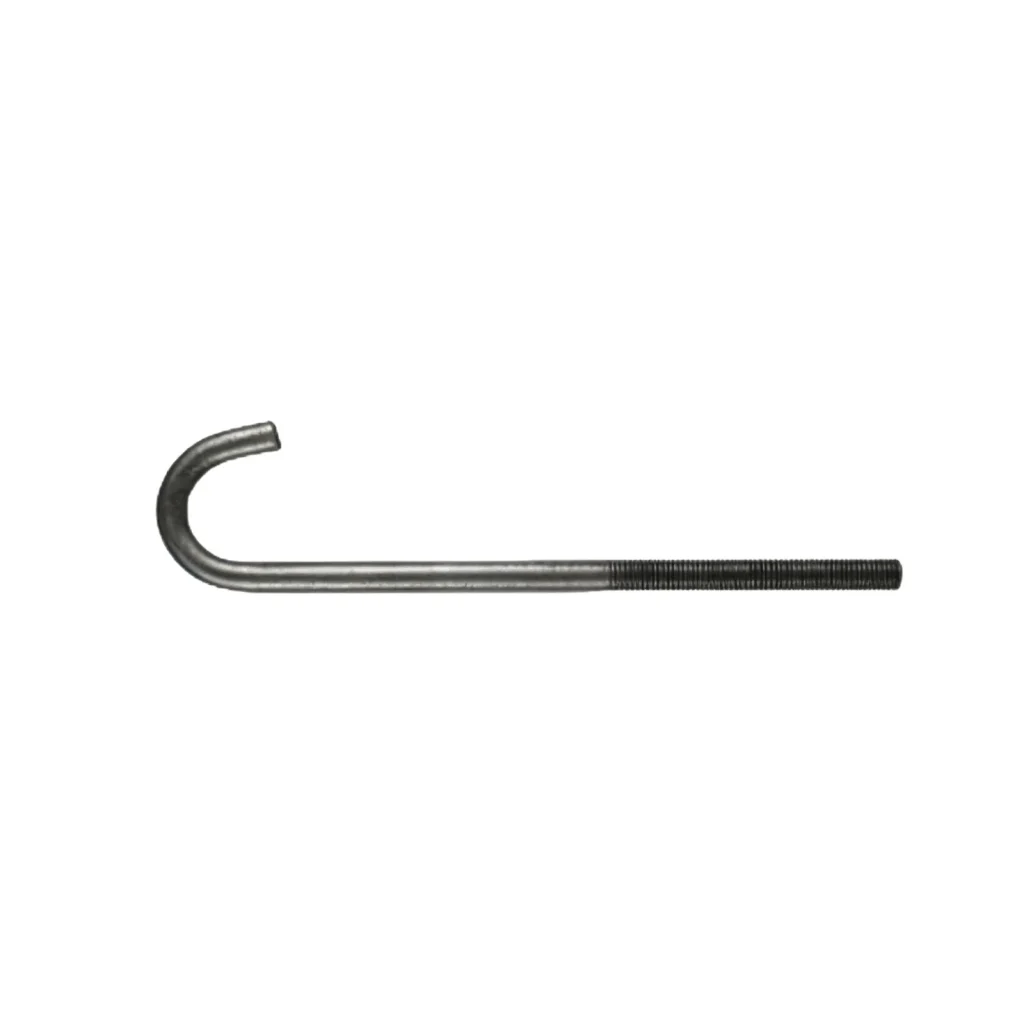
A wall bolt is not the same purchase as a general hex bolt. A hex bolt usually clamps two prepared parts together with a nut, while a wall bolt must grip or bond inside the base material. That means embedment depth, drill hole size, sleeve or anchor style, and wall condition can change the result even when the thread size looks correct.
The practical distinction is installation tolerance. Mechanical wall bolts need the correct hole diameter and sound base material to expand properly. Chemical anchors can suit some difficult fixing points, but they depend on clean holes, curing conditions and compatible studs. If the wall material is unknown, confirm it before selecting the bolt style.
Start with the base material. Solid concrete, hollow brick, dense block and old masonry do not hold anchors in the same way. A heavy bracket fixed into solid concrete may suit a different wall bolt than a light rail fixed into hollow block. Ask whether the fixing point is in solid material, a void, a joint line or close to an edge.
Check the load direction before choosing the anchor type. A downward shear load on a wall-mounted support is different from a pull-out load on a hanging fixture. Vibration, repeated opening and closing, or pipe movement can loosen poorly matched fasteners, so the fixing method should suit the service condition, not only the static weight.
Do not treat coating as an afterthought. Indoor dry use, exterior walls, coastal exposure, wet rooms and industrial environments can require different corrosion protection. Hot-dip galvanizing, zinc plating and stainless materials each have cost and compatibility trade-offs. Confirm the finish needed with the project environment and mating hardware.
Before sending an inquiry to Hebei Wotu Fastener Manufacturing Co., Ltd., prepare the thread size if known, base wall material, required length or embedment expectation, finish, quantity and application. If you have a drawing, installation photo or project standard, include it so the discussion can focus on fit rather than assumptions.