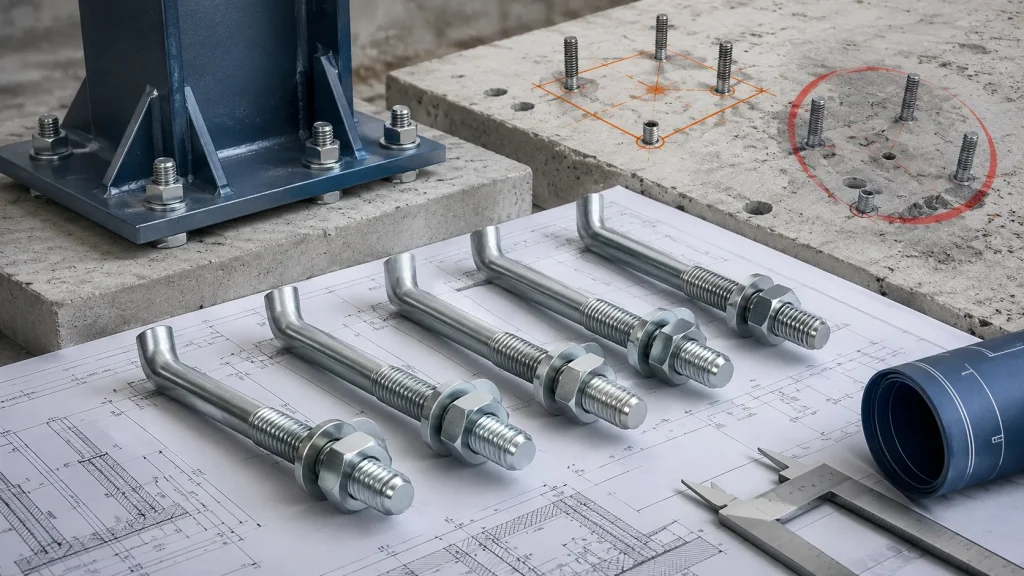
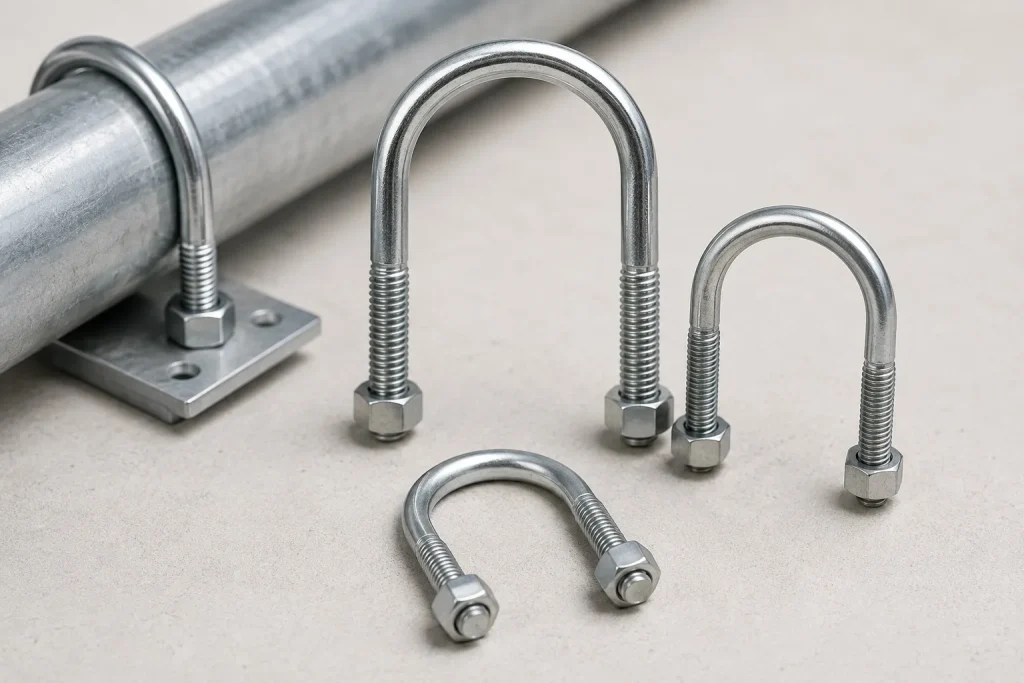
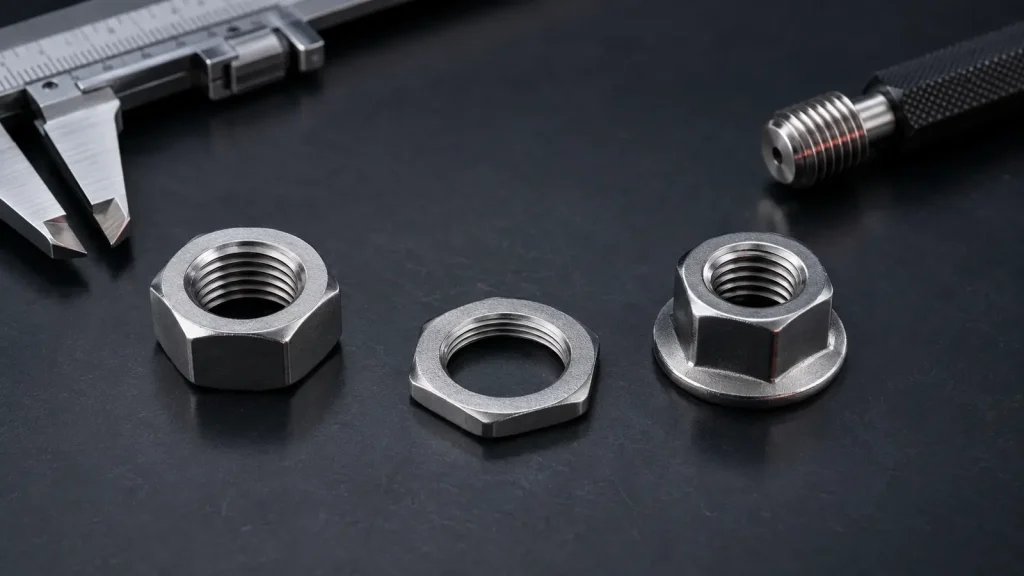
The main distinction is between a nut used with a separate anchor and a captive or embedded nut fixed to the structure before final assembly. A separate nut can simplify replacement and adjustment, while a captive or embedded design can make installation easier where the rear side is inaccessible.
That difference affects the assembly sequence and the load path. Confirm whether the nut will be exposed to concrete, outdoor moisture, vibration, repeated removal, or limited tool access, then specify the matching thread standard, material, finish, and retention method.
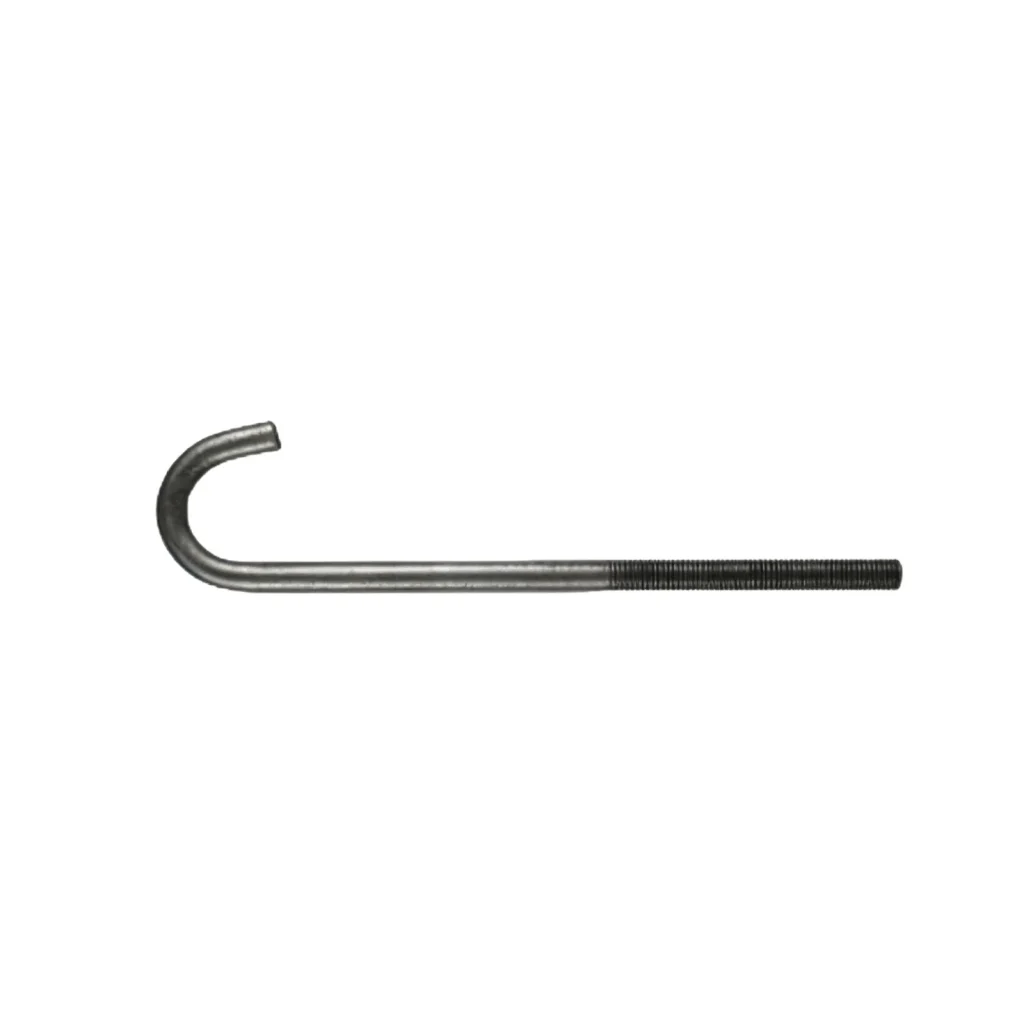
Start with the anchor arrangement rather than the nut name alone. State whether the nut is for a concrete anchor bolt, a steel base, a sheet-metal panel, or a fabricated frame. Include a drawing or clear description of how the nut is retained and which side must remain accessible. Similar-looking nuts may not suit the same installation method.
Check the complete thread interface: thread diameter, pitch, thread standard, mating bolt or rod, and usable thread engagement. Do not assume that a metric thread and an inch-based thread will interchange, or that a thin nut can replace a full-height nut in a load-bearing connection. If a thin profile is necessary, ask how the reduced height affects the intended assembly.
Choose material and finish for the service environment. Plain steel may suit a protected indoor assembly, while moisture, outdoor exposure, chemicals, or contact with dissimilar metals may require a different material or coating. Confirm whether the finish applies to the nut only or must match the anchor bolt and surrounding structure.
For an enquiry, send the mating bolt or rod specification, application and installation method, required material or finish, and an estimated quantity. Ask Hebei Wotu Fastener Manufacturing Co., Ltd. to confirm the applicable anchor nut design, thread compatibility, drawings or samples, and any inspection documents available for the order.