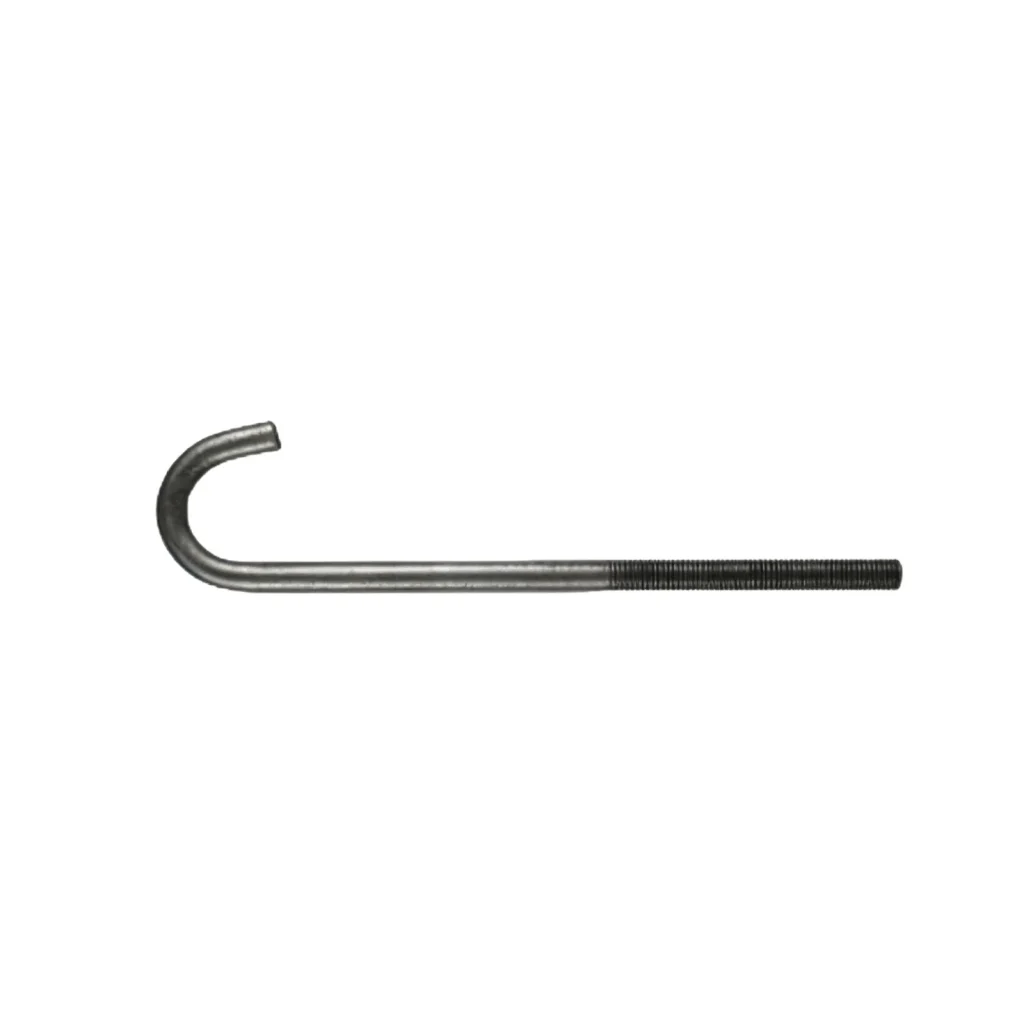
The main difference between a chemical anchor and a mechanical expansion anchor is how the load transfers into the base material. A chemical system bonds the threaded rod to the prepared hole with resin, while a mechanical anchor relies on expansion or another physical locking action. This matters near concrete edges, around closely spaced fixings, and in applications where expansion forces need to be limited.
A chemical anchor bolt should therefore be evaluated as a matched rod-and-resin assembly, not as an isolated threaded rod. Ask which resin is intended for the substrate and service conditions, whether the proposed embedment and edge distances suit the design, and what installation and curing requirements apply.
Start with the base material and connection load. Concrete strength, cracked or uncracked condition, masonry type, hole orientation, tension or shear loading, spacing, and edge distance can change the suitable anchoring method. Send a drawing or clear application description instead of requesting a bolt by diameter only.
Choose the threaded rod material and finish for the service environment. Indoor dry use, outdoor exposure, moisture, chemicals, temperature variation, and contact with dissimilar metals can lead to different material or corrosion-resistance requirements. A coated rod may not be interchangeable with stainless steel, and a general-purpose resin may not suit every substrate or temperature range.
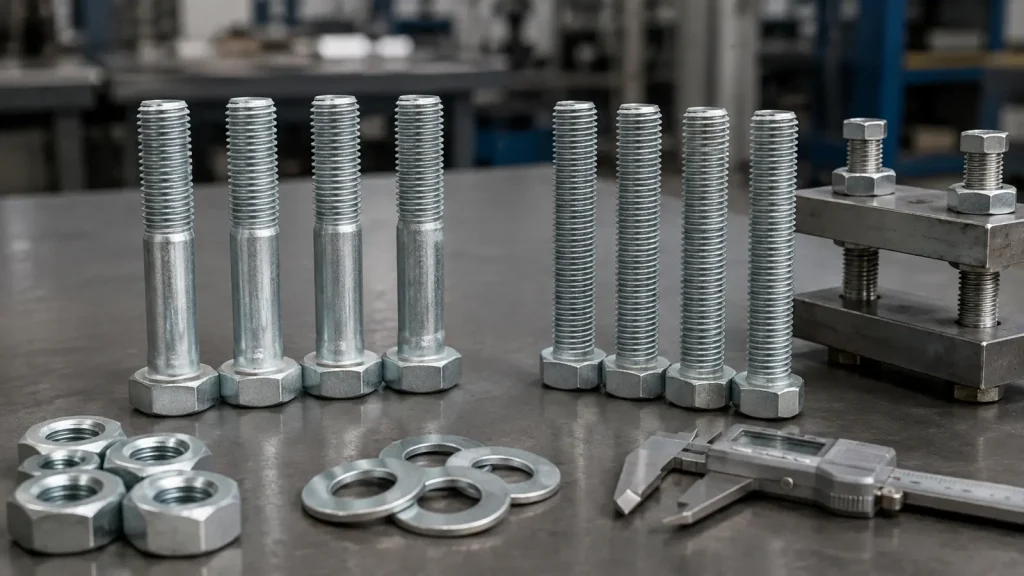
Confirm that the resin, nozzle, threaded rod, washer, nut, and installation procedure are compatible. Common ordering mistakes include specifying the rod without the resin, mixing components from different systems, omitting the required embedment, and treating hole cleaning or curing as unimportant. The installer should follow the selected system's instructions and use the stated design basis.
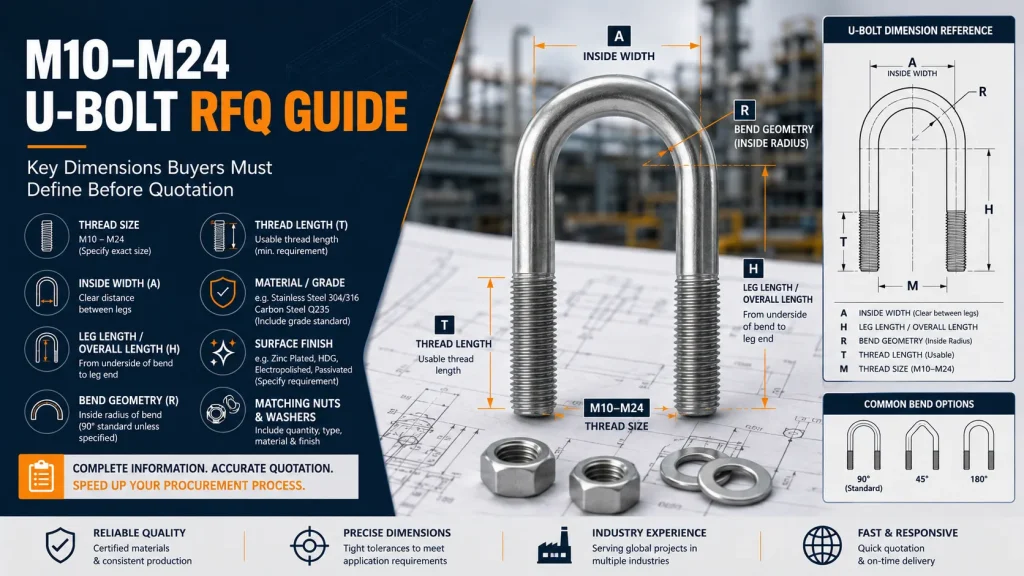
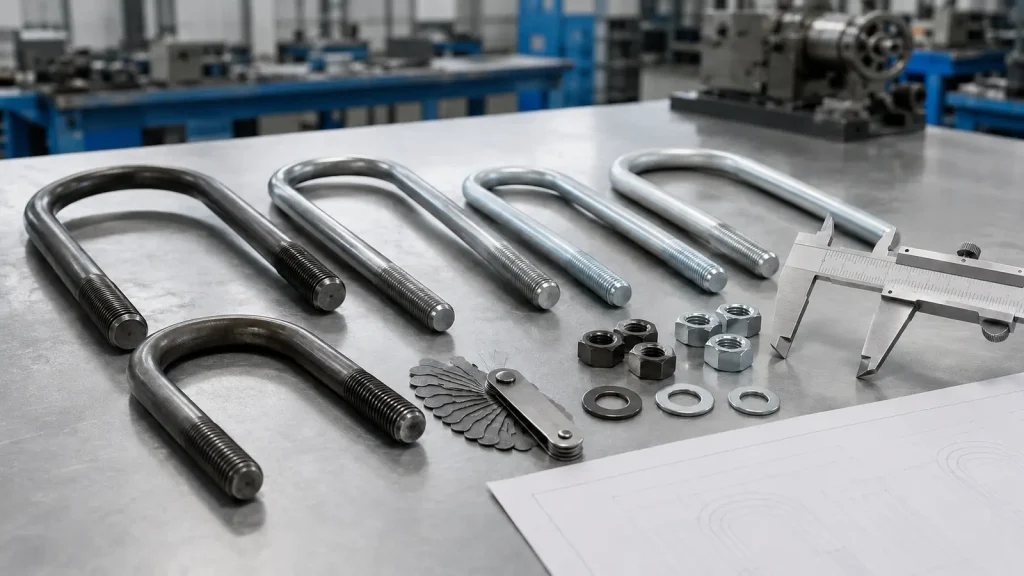
For an enquiry, provide the base material, rod diameter or required load, fixing quantity, indoor or outdoor environment, and a drawing or photo if the application is unusual. Ask for the available material and finish, matching resin options, dimensional information, packing details, and any technical documentation needed for your project review.