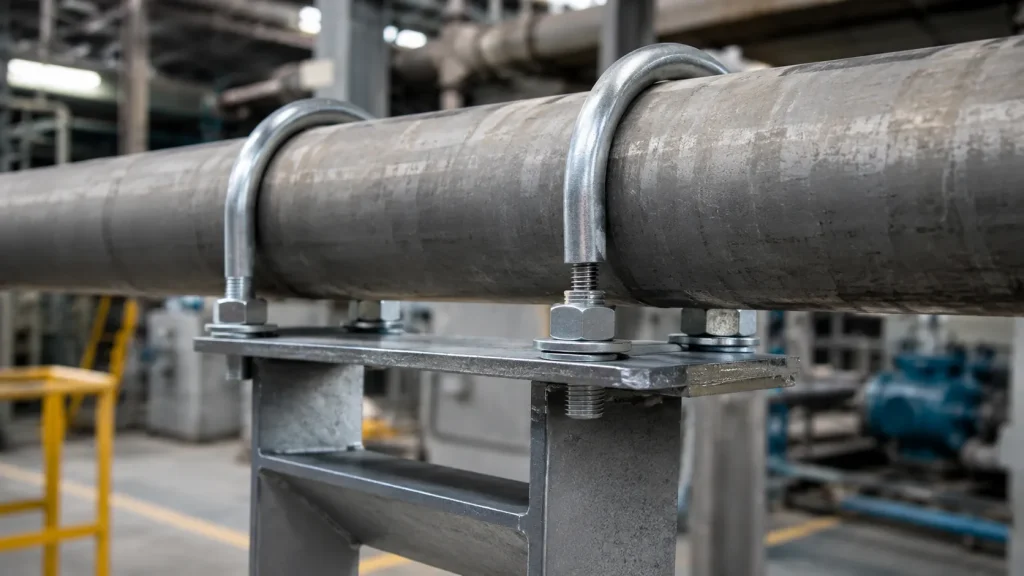
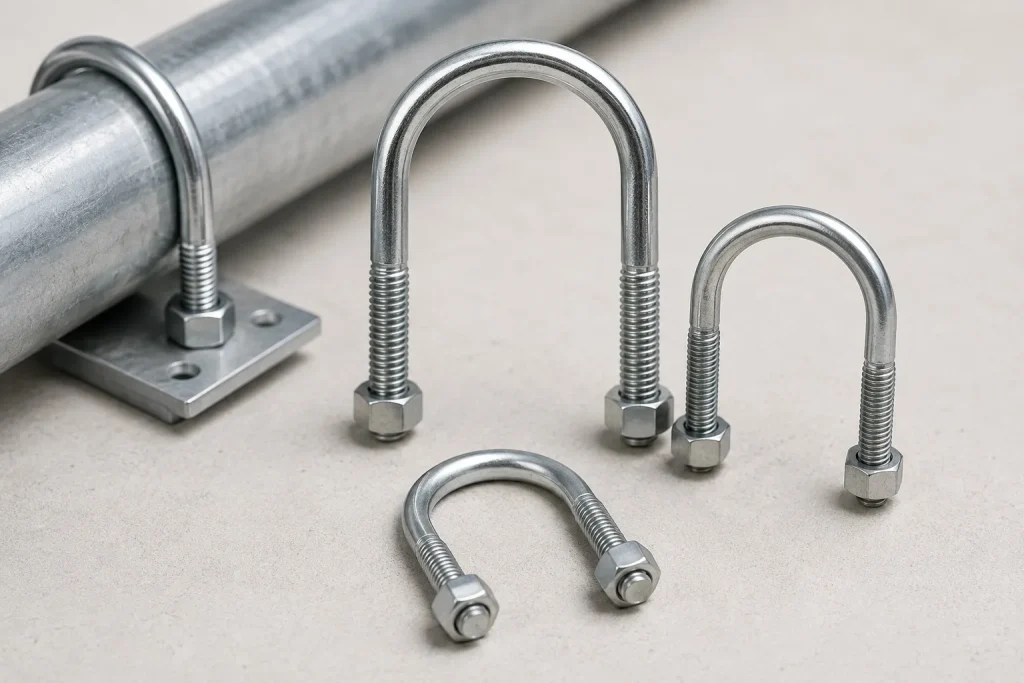
A long bolt is not the same decision as a standard bolt ordered in a longer size. Longer fasteners can create more leverage, more exposed thread, and greater sensitivity to alignment. If the shank length, thread length, and nut engagement are not defined clearly, the installed joint may clamp poorly even if the diameter and overall length look correct.
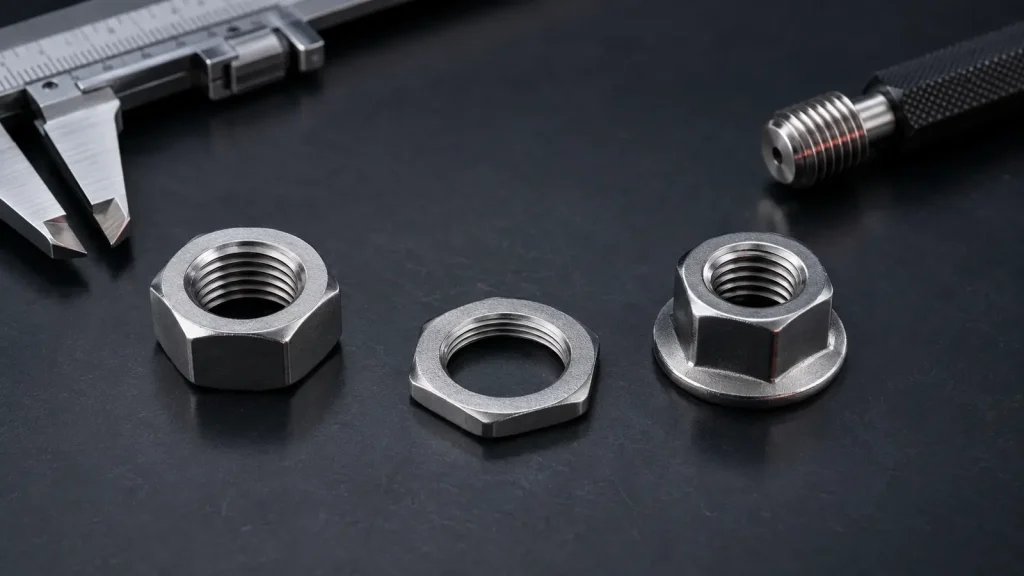
Long nuts also need careful matching. Coupling nuts, extended hex nuts, and long threaded connectors serve different purposes: some join threaded rods, some provide deeper engagement, and some are used where access or adjustment matters. The right choice depends on whether the nut is transmitting tension, acting as a spacer, or providing a serviceable adjustment point.
Start with the joint design, not the fastener name. Confirm the bolt diameter, overall length, thread standard, thread pitch, thread length, head style, and the required nut type. If the bolt passes through a thick part, the unthreaded shank may matter as much as the threaded section. If the joint uses two nuts, a long nut, or a coupling nut, define the required engagement on each side.
Material and finish should match the service environment. Carbon steel, alloy steel, stainless steel, and coated fasteners behave differently in strength, corrosion resistance, galling risk, and cost. A stronger bolt is not automatically better if the mating nut, washer, or connected material cannot support the load. For outdoor or corrosive use, ask how the selected coating affects thread fit and assembly.
A common mistake is specifying only “long nuts and bolts” with a diameter and length. That can leave key details open: standard, grade/class, finish, head form, nut height, chamfer, thread direction, tolerance, washer requirement, and packaging. Another mistake is replacing a designed coupling or extension arrangement with a longer bolt without checking bending, installation clearance, and maintenance access.
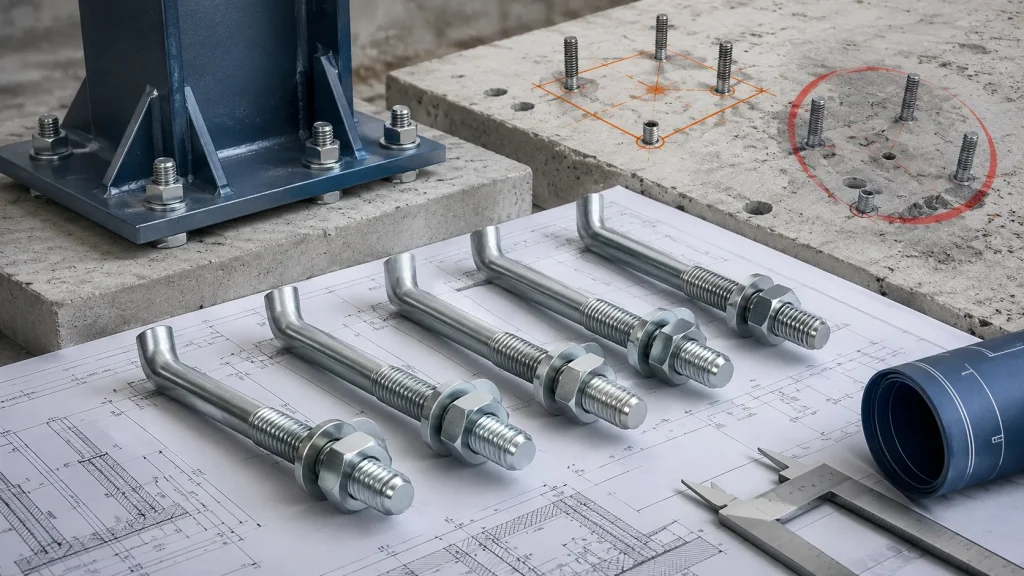
For the next step, send a drawing, sample, or installation photo if available. If not, provide the fastener standard you want to follow, the connected material thickness, the total grip length, the required exposed thread after tightening, the environment, and the quantity. Those details allow the supplier to confirm a sensible specification instead of guessing from a broad product description.