The first distinction to confirm is head form. A standard socket head cap screw gives stronger tool engagement and a taller head, so it suits parts with enough head clearance. A button head has a lower, wider rounded head for visible or shallow-clearance assemblies, but the socket is usually shallower. A countersunk socket screw sits flush only if the mating part has the correct countersink angle and diameter.
The second distinction is thread and length. M3 normally refers to a 3 mm metric thread diameter, and many general-purpose M3 screws use a coarse metric pitch, but buyers should confirm the pitch against the tapped hole or nut. Length is normally measured from under the head for socket head and button head screws, while countersunk screw length is usually measured overall because the head sits inside the countersink.
Start with the mating part, not the screw name. Confirm the tapped hole depth, through-hole clearance, counterbore or countersink geometry, and the maximum head height allowed. Many M3 ordering errors happen because a buyer specifies only “M3 x length” and leaves the head style or measurement method unclear.
Choose the head style around access and load. Socket head cap screws suit repeated assembly and higher tightening control in a compact space. Button heads improve appearance and reduce snagging but are less forgiving if the hex key is worn or the operator over-tightens. Countersunk heads need accurate seating; if the countersink is wrong, the screw may loosen or distort the part surface.
Material and finish should match the environment and the mating material. Carbon steel, alloy steel and stainless steel behave differently in strength, corrosion resistance and galling risk. Plated finishes add surface protection, but coating thickness can matter more on small threads, so confirm fit if the assembly has tight tolerances.
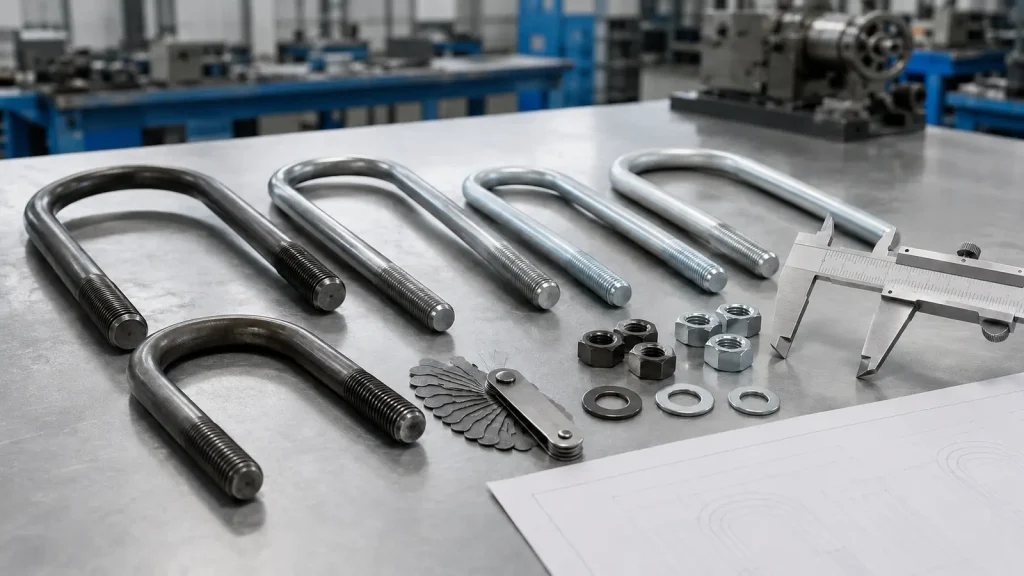
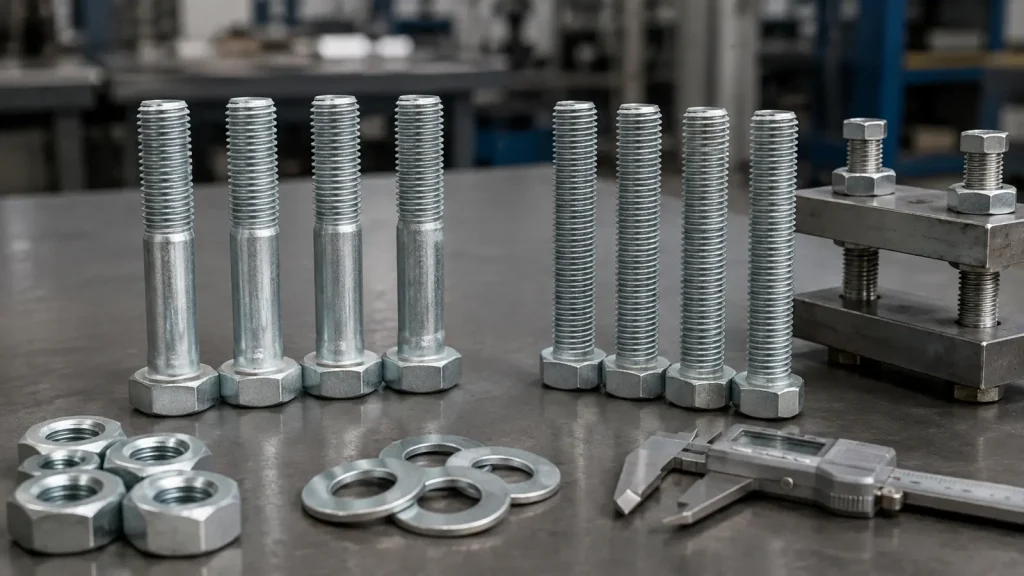
For an inquiry, send the head type, standard if known, thread pitch, length, material or grade requirement, finish, quantity and any drawing of the mating hole. If you are replacing an existing screw, a photo with caliper measurements of the head diameter, head height, thread length and socket size will reduce back-and-forth.