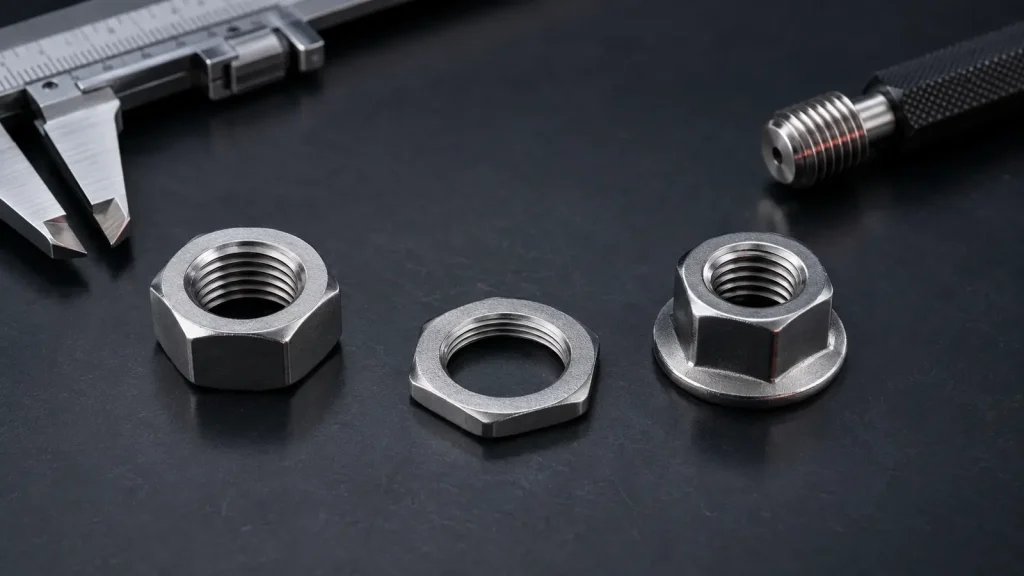
The most important distinction is between quoting a standard fastener and quoting a matched fastening set. A loose hex bolt price may not include the correct nut, washer, surface finish or grade requirement, while a set quote can align the parts that share the same thread, material and installation conditions.
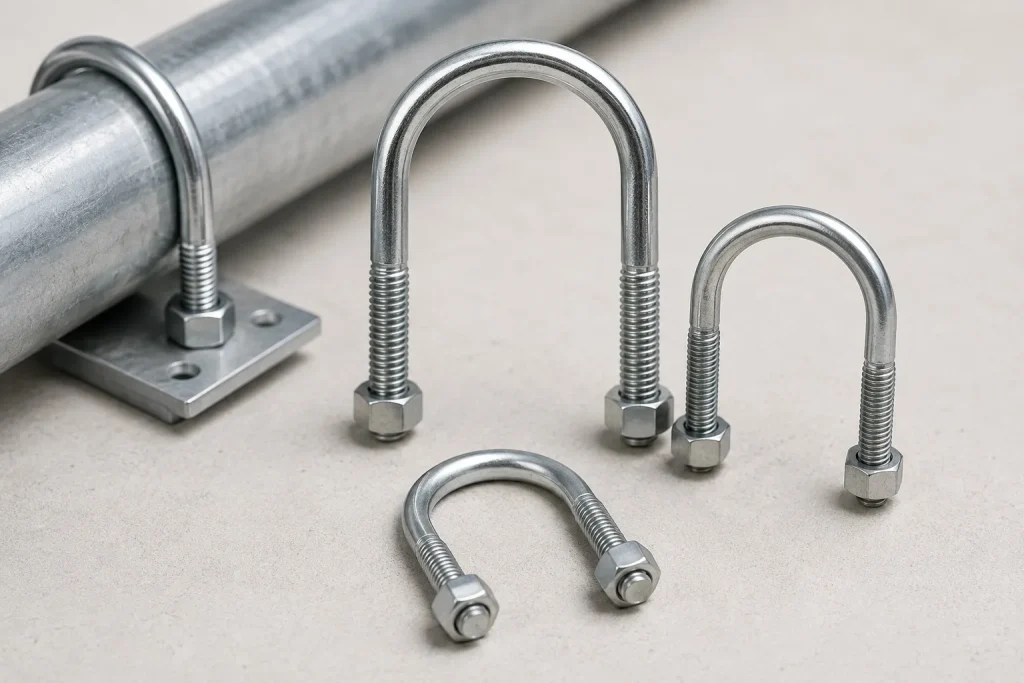
This matters because small differences change cost and fit. A thin nut may solve a space problem but may not replace a standard hex nut in every load-bearing joint. A U bolt for pipe support needs more information than rod diameter alone, because the pipe size, bend shape and clamping method affect whether it holds securely over time.
Start with the standard and drawing if you have one. DIN, ISO, GB, ASTM or project drawings help remove guesswork from thread pitch, head shape, nut dimensions and tolerance expectations. If there is no standard, send the application, mating parts and a photo or sketch so the quoted item matches the real joint.
Confirm material, strength grade and finish before comparing prices. Carbon steel, stainless steel and alloy steel serve different environments and load conditions. Zinc plating, hot-dip galvanizing, black finish or plain finish can also change both price and availability. The lowest quote is not useful if the coating is unsuitable for outdoor exposure, corrosion risk or later assembly.
Do not treat bolt length as the only critical dimension. Buyers often miss thread length, shank length, inside width on U bolts, anchor projection, washer thickness or nut height. These details can decide whether the fastener tightens correctly, interferes with nearby parts or needs rework on site.
A practical next step is to send the fastener type, size, standard or drawing, material/grade, finish, quantity, packaging preference and intended use. If you are replacing an existing part, include clear photos and any markings on the bolt head or nut face.