Pop Rivet Machine Selection | Hebei Wotu Fastener Manufacturing Co., Ltd.

Pop rivet machine selection for assembly work

A pop rivet machine sets blind rivets from one accessible side of a joint, making it useful for sheet-metal panels, enclosures, vehicle parts and other assemblies where the rear of the workpiece cannot be reached. The key purchase decision is choosing a tool that matches the rivet diameter, material, grip range and production pace without adding unnecessary weight or complexity.

Handheld pneumatic, battery-powered and automated machines suit different work patterns. A portable tool may be the better fit for varied assemblies, while a powered or integrated machine can improve consistency when operators repeat the same riveting operation throughout a shift.

Related Products

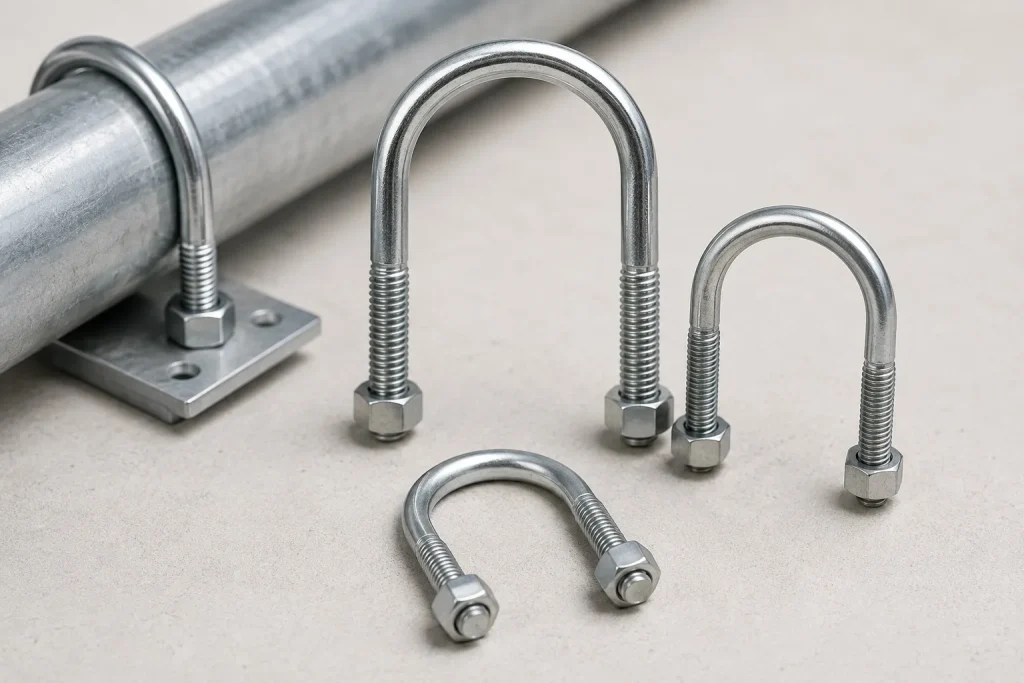
U-bolt ( / U-bolt, M10/M12/M16/M20/M24 multiple specifications)

U-bolt ( / U-bolt, M10/M12/M16/M20/M24 multiple specifications)

Brand: Wotu Surface: natural black oxide / hot-dip galvanized / blue-white zinc plated, multiple processes available Specifications: Based on common industry drawing parameters, suitable for pipe diameter 25mm~139.7mm, screw diameter M10~M24, total length can be nonstandard customized Matching: can be matched with nut, flat washer and spring washer of the same specifications for complete shipment Packaging: Bundling and packaging + 25kg export carton, full-container wooden pallet wrapped with film, supports private-label export packaging

Read More
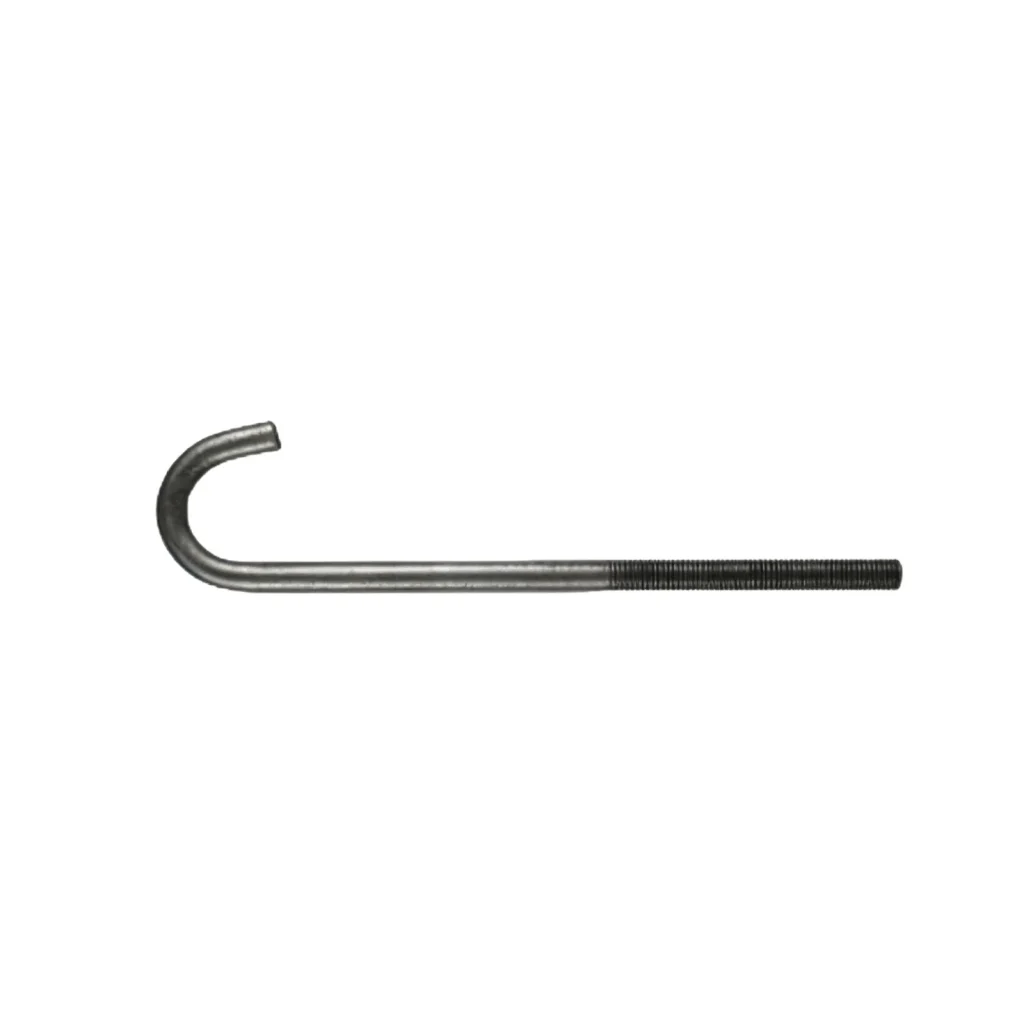
7-letter, 9-letter L-shaped anchor bolt (Chinese national standard GB/T799-1988 embedded anchor screw)

7-letter, 9-letter L-shaped anchor bolt (Chinese national standard GB/T799-1988 embedded anchor screw)

Brand: Wotu Surface: Natural black oxide treatment, customized hot-dip galvanized, zinc plated as required Specifications: Follow Chinese national standard GB/T799-1988, in stock M12-M48, total length 120mm~1500mm, nonstandard customized diameter, bending length, total screw length available Matching: Nuts, flat washers and spring washers of the same specification can be supplied in complete sets. Packaging: Bundling and packaging, using wooden pallets and film-wrapped export packaging in large quantities

Read More
Hex thin nut

Hex thin nut

Brand: Wotu Surface: zinc plated Specifications: in stock M8~M64 full standard specifications, covering precision, machinery, and steel structure full size range, supporting nonstandard tooth pitch and customized thickness Matching: Can be matched with bolts of corresponding specifications, flat washer, spring washer complete set of shipment Packing: packed in 25kg cartons and packed on wooden pallets.

Read More
Hex nut (Chinese national standard GB52-1976)

Hex nut (Chinese national standard GB52-1976)

Brand: Wotu Surface: 304 stainless steel Specifications: in stock M6~M24 full standard metric specifications, supports nonstandard pitch, thickening/customized Matching: Can be matched with bolts of corresponding specifications, flat washer, spring washer complete set of supporting shipment Packaging: 25kg cartons, whole wooden pallets

Read More
Hot-Dip Galvanized Chinese National Standard Flat Washer (GB/T97.1A Level Flat Washer)

Hot-Dip Galvanized Chinese National Standard Flat Washer (GB/T97.1A Level Flat Washer)

Brand: Wotu Surface: overall hot-dip zinc plated anti-corrosion treatment, optional blue-white zinc plated, color zinc plated, black oxide Specifications: Execute GB/T97.1-2002 Chinese national standard, in stock M6-M64 full range of specifications, inner diameter, outer diameter, thickness strictly comply with Chinese national standard parameters, support nonstandard size customized Packaging: 25kg woven bag / export carton packaging, full pallets wrapped with film, supports private-label customization

Read More
Grade 8/Grade 10 High-strength Black Oxide Hex Nut (DIN934/GB Chinese National Standard Thickened Nut)

Grade 8/Grade 10 High-strength Black Oxide Hex Nut (DIN934/GB Chinese National Standard Thickened Nut)

Brand: Wotu Surface: quenching and tempering heat treatment + high temperature black oxide anti-rust treatment Specifications: Comply with DIN934, GB/T6170 standards, in stock M6-M48 full range of specifications, nonstandard sizes can be customized Packaging: 25kg carton/woven bag inner packaging, whole wooden pallet wrapped with film for export packaging, supports neutral/private-label customization packaging

Read More

Compare pop rivet machines by joint and production needs

Machine selection criteria

When comparing pop rivet machines, focus on rivet compatibility, grip range, access around the joint, drive type, operator ergonomics, cycle control, nosepiece changes, mandrel collection and maintenance requirements. The right balance depends on whether the machine serves varied repair work, a workstation or a repeat production line.

Criterion What To Check Why It Matters Buyer Tip
Rivet size and material range Compare the mandrel diameter, rivet body diameter, and materials the machine is designed to pull, such as aluminum, steel, or stainless steel. A machine that is too light for the rivet will stall, wear quickly, or leave loose joints. An oversized machine may be harder to control on thin sheet metal. Ask: What rivet sizes and materials will this pop rivet machine set reliably in my application?
Power type and work position Confirm whether the tool is manual, pneumatic, cordless electric, or hydraulic, and check how it performs in vertical, overhead, or confined positions. The power source affects pulling force, operator fatigue, setup needs, and suitability for production lines or field repair work. Ask: Will the machine be used at a bench, on an assembly line, or in mobile repair work?
Nosepiece and access clearance Check the supplied nosepieces, the front head length, and the space needed around the rivet location. A tool may have enough pulling force but still fail to reach rivets near flanges, corners, profiles, or recessed holes. Ask: Can you confirm the nosepiece options for the rivet locations shown in my drawing or sample photo?
Mandrel collection and maintenance Look at how broken mandrels are collected and how easily jaws, nosepieces, and wear parts can be cleaned or replaced. Poor mandrel handling slows repetitive work and loose mandrels can damage finished surfaces or create cleanup issues. Ask: Which consumable parts should I keep in stock for regular use of this pop rivet machine?
Joint consistency in the actual material stack Test or verify the tool against the real sheet thickness, hole size, coating, and rivet type used in your assembly. Rivet setting depends on the complete joint, not only the tool. Oversized holes, soft material, or the wrong grip range can cause spinning, gaps, or weak fastening. Ask: Can the machine be matched to my rivet specification and material stack before ordering?

Choose the right drive system, rivet range and workflow

The practical distinction is between a general-purpose setting tool and a production-oriented machine. A general-purpose tool gives the operator flexibility across rivet sizes and work positions; a production machine may provide more repeatable cycle control, easier integration and less operator fatigue, but it can be less convenient for changing products.

Rivet compatibility matters as much as pulling force. Check that the machine accepts the required rivet materials, body diameters, mandrel types and grip ranges, and confirm that suitable nosepieces and consumable collection arrangements are available for the intended work.

Start with the joint rather than the machine. List the rivet body material, diameter, head style, grip range and the combined thickness of the materials being joined. A tool selected only by its headline capacity may perform poorly if the fastener falls outside its working range or if the nosepiece does not support the chosen rivet.

Match the drive system to the workplace. Pneumatic equipment can suit fixed workstations with a reliable air supply, while battery equipment can simplify movement between assembly points. For repetitive work, consider trigger control, balance, access to tight spaces, spent-mandrel handling and the effort required during a full shift.

For higher-volume assembly, ask how the machine controls the setting cycle and how easily operators can identify an incompletely set rivet. If the same joint is produced repeatedly, repeatability and simple maintenance may matter more than the widest possible rivet range. If products change often, quick nosepiece and setup changes may be more valuable.

Before requesting a recommendation, prepare a sample joint or a clear description of the materials, total stack thickness, rivet specification, daily usage and available power or air supply. Ask which accessories are included, which consumables are required, how mandrels are collected and what support is available for setup and routine maintenance.

Criteria Importance Description Example Options
Rivet compatibility Critical for correct setting The machine must match the rivet body diameter, material, mandrel type and required grip range. Capacity should be checked against the actual fastener, not only a general tool description. A tool used for small aluminum blind rivets may not be suitable for larger steel rivets without the right pulling force and nosepiece.
Drive type Strongly affects workflow Pneumatic, battery and automated systems suit different workplaces. The best choice depends on mobility, available air or power, production volume and how often operators change work positions. A bench assembly station may favor a pneumatic tool, while work across multiple assembly points may favor a battery-powered tool.
Access and tool shape Important when joints are confined Nose length, head size and tool balance affect whether the operator can reach the joint squarely. Poor access can lead to angled pulls and inconsistent rivet setting. Rivets inside a narrow enclosure may require a slimmer nose area than rivets on an open sheet-metal panel.
Production pace and operator fatigue Important for repeated use For occasional riveting, flexibility may matter more than speed. For repetitive work, trigger feel, weight, balance, mandrel collection and maintenance access can influence productivity and operator comfort. A tool used all shift on the same assembly should be assessed differently from a tool kept for occasional repair jobs.
Changeover and maintenance Important for mixed rivet work If several rivet sizes are used, quick nosepiece changes and simple jaw maintenance reduce downtime. Consumable jaw wear and spent-mandrel handling should be considered before purchase. A workshop that changes between rivet sizes several times a day benefits from easy accessory changes and clear consumable requirements.

Product Selection

Related Options

For repeated assembly of sheet-metal enclosures or panels, prioritize consistent setting, comfortable operation and straightforward spent-mandrel removal. For mobile installation or mixed work, prioritize manageable weight, access and fast changes between compatible rivet sizes. Confirm the machine's fit with your actual rivets and joint samples before choosing a model.

Blog Articles / Reviews

What Is a Fastener? Types, Functions and Industrial Uses

What Is a Fastener? Types, Functions and Industrial Uses

A fastener is a hardware component that mechanically joins or secures parts. Common examples include screws, bolts, nuts and rivets; washers are supporting components used in many fastening assemblies. Some connections can be dismantled by removing threaded fasteners, while others, such as riveted joints, normally require the fastener to be destroyed during removal. In industrial […]

Hex Thin Nut vs Standard Hex Nut: Which Fits Space-Limited or Locking Assemblies?

Hex Thin Nut vs Standard Hex Nut: Which Fits Space-Limited or Locking Assemblies?

Direct Answer: Choose a hex thin nut when reduced nut height is genuinely required by the assembly or when the engineering design specifies it as part of a locking arrangement. Choose a standard hex nut when full nut height, normal thread engagement, and the specified load-bearing function are required. Buyers should compare nut height, thread […]

Why Do U Bolts Loosen in Pipe Supports? 6 Causes and Prevention Methods

Why Do U Bolts Loosen in Pipe Supports? 6 Causes and Prevention Methods

U bolts usually loosen in pipe supports because the connection loses clamping force, receives continuous vibration, restricts thermal pipe movement, uses an incorrectly sized U bolt, experiences surface settlement, or suffers from corrosion and inadequate inspection. This issue affects EPC contractors, pipe installers, industrial maintenance teams, equipment manufacturers and fastener distributors working with water, oil […]

Anchor Bolts: 7 Ordering Errors That Cause Site Rework

Anchor Bolts: 7 Ordering Errors That Cause Site Rework

ost anchor bolt ordering errors come from incomplete drawings, unclear dimensions, unsuitable material or coating choices, undefined tolerances, and mismatched nuts or washers. These mistakes affect steel fabricators, EPC contractors, equipment installers, importers, and distributors because anchor bolts are usually embedded before the connected structure arrives on site. Once concrete has cured, even a small […]

Applications of Anchor Bolts

Applications of Anchor Bolts

Fixed anchor bolts, also known as short anchor bolts, are cast in with the foundation and used to secure equipment that does not experience strong vibration or impact. 1. Fixed anchor bolts, also known as short anchor bolts, are cast in with the foundation and used to secure equipment that does not experience strong vibration […]

Definition of Self-Drilling Screw

Definition of Self-Drilling Screw

A screw is a tool that uses the physical and mathematical principles of inclined planes, circular rotation, and friction to gradually tighten objects and machine parts. A self-drilling screw is a screw with a self-tapping drill bit at its tip. Screws are a common invention of humankind throughout history, and in terms of application, they […]

Frequently Asked Questions

Can one machine set every blind rivet size?

No. Each machine has a working range for rivet diameter, material and mandrel type, and it normally needs the correct nosepiece for each rivet. A tool that handles small aluminum rivets may not have the pulling capacity or jaw design needed for larger steel or stainless rivets.

Is a pneumatic tool better than a battery-powered tool?

Pneumatic tools can suit fixed workstations where clean, stable compressed air is already available. Battery-powered tools are easier to move between work areas and may reduce hose management, but battery condition, charging routine and tool weight become part of the decision.

What causes incomplete or weak rivet setting?

Common causes include using the wrong rivet grip range, selecting a nosepiece that does not match the mandrel, insufficient pulling force, poor access angle or worn jaws. The joint stack thickness and rivet specification should be checked before assuming the machine is faulty.

Should a buyer choose a handheld tool or an automated setup?

A handheld tool is usually more flexible for mixed assemblies, repair work and lower-volume tasks. An automated or workstation-based setup can make sense when the same rivet is set repeatedly and the priority is consistent cycle control, operator comfort and production flow.

What information should be sent for a machine recommendation?

Send the rivet diameter, rivet material, mandrel material if known, head style, grip range or total joint thickness, and the approximate number of rivets set per shift. It also helps to state whether the work is at a fixed bench, inside a product, on large panels or in mobile installation.

Leave Your Message

Tell us the rivet material and size, the total joint thickness or grip range, and whether the machine will be used for occasional assembly or repeated production. Also note the available power or air supply so the suitable configuration can be checked.