Repeat Machine Price Selection Guide | Hebei Wotu Fastener Manufacturing Co., Ltd.

Repeat Machine Price

If you are checking a repeat machine price, define the operation before comparing quotes. “Repeat machine” can describe equipment that performs the same cycle repeatedly, but the cost changes with the process, workpiece, feeding method, controls, tooling and required production rate.

For a fastening or forming application, a useful quote should identify what the machine does, what material and part size it handles, and what is included. Confirm whether Hebei Wotu Fastener Manufacturing Co., Ltd. supplies or quotes this type of equipment for your application.

Related Products

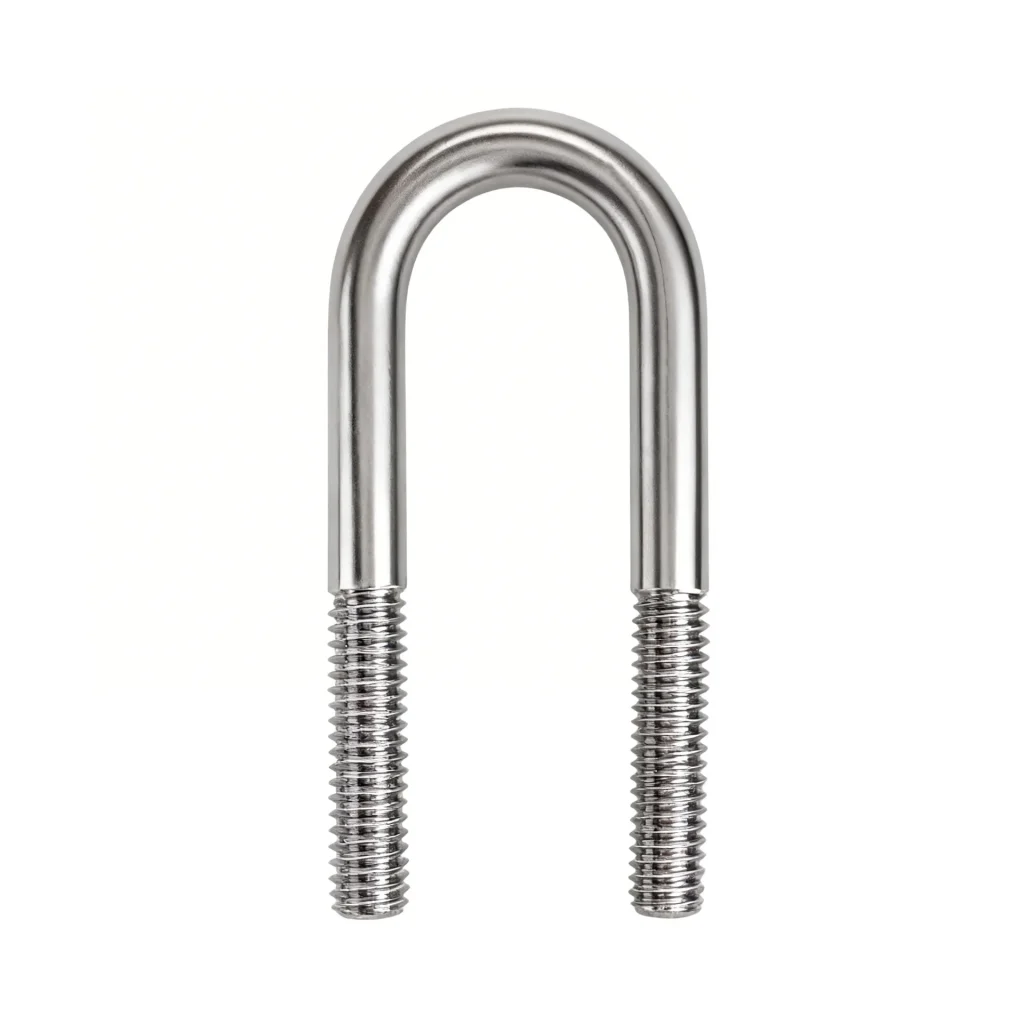
U-bolt ( / U-bolt, M10/M12/M16/M20/M24 multiple specifications)

U-bolt ( / U-bolt, M10/M12/M16/M20/M24 multiple specifications)

Brand: Wotu Surface: natural black oxide / hot-dip galvanized / blue-white zinc plated, multiple processes available Specifications: Based on common industry drawing parameters, suitable for pipe diameter 25mm~139.7mm, screw diameter M10~M24, total length can be nonstandard customized Matching: can be matched with nut, flat washer and spring washer of the same specifications for complete shipment Packaging: Bundling and packaging + 25kg export carton, full-container wooden pallet wrapped with film, supports private-label export packaging

Read More
7-letter, 9-letter L-shaped anchor bolt (Chinese national standard GB/T799-1988 embedded anchor screw)

7-letter, 9-letter L-shaped anchor bolt (Chinese national standard GB/T799-1988 embedded anchor screw)

Brand: Wotu Surface: Natural black oxide treatment, customized hot-dip galvanized, zinc plated as required Specifications: Follow Chinese national standard GB/T799-1988, in stock M12-M48, total length 120mm~1500mm, nonstandard customized diameter, bending length, total screw length available Matching: Nuts, flat washers and spring washers of the same specification can be supplied in complete sets. Packaging: Bundling and packaging, using wooden pallets and film-wrapped export packaging in large quantities

Read More
Hex thin nut

Hex thin nut

Brand: Wotu Surface: zinc plated Specifications: in stock M8~M64 full standard specifications, covering precision, machinery, and steel structure full size range, supporting nonstandard tooth pitch and customized thickness Matching: Can be matched with bolts of corresponding specifications, flat washer, spring washer complete set of shipment Packing: packed in 25kg cartons and packed on wooden pallets.

Read More
Hex nut (Chinese national standard GB52-1976)

Hex nut (Chinese national standard GB52-1976)

Brand: Wotu Surface: 304 stainless steel Specifications: in stock M6~M24 full standard metric specifications, supports nonstandard pitch, thickening/customized Matching: Can be matched with bolts of corresponding specifications, flat washer, spring washer complete set of supporting shipment Packaging: 25kg cartons, whole wooden pallets

Read More
Hot-Dip Galvanized Chinese National Standard Flat Washer (GB/T97.1A Level Flat Washer)

Hot-Dip Galvanized Chinese National Standard Flat Washer (GB/T97.1A Level Flat Washer)

Brand: Wotu Surface: overall hot-dip zinc plated anti-corrosion treatment, optional blue-white zinc plated, color zinc plated, black oxide Specifications: Execute GB/T97.1-2002 Chinese national standard, in stock M6-M64 full range of specifications, inner diameter, outer diameter, thickness strictly comply with Chinese national standard parameters, support nonstandard size customized Packaging: 25kg woven bag / export carton packaging, full pallets wrapped with film, supports private-label customization

Read More
Grade 8/Grade 10 High-strength Black Oxide Hex Nut (DIN934/GB Chinese National Standard Thickened Nut)

Grade 8/Grade 10 High-strength Black Oxide Hex Nut (DIN934/GB Chinese National Standard Thickened Nut)

Brand: Wotu Surface: quenching and tempering heat treatment + high temperature black oxide anti-rust treatment Specifications: Comply with DIN934, GB/T6170 standards, in stock M6-M48 full range of specifications, nonstandard sizes can be customized Packaging: 25kg carton/woven bag inner packaging, whole wooden pallet wrapped with film for export packaging, supports neutral/private-label customization packaging

Read More

Compare the machine setup, tooling and automation

Machine selection criteria

Relevant selection criteria include the repeated process, material and dimensions of the workpiece, loading method, production pattern, tooling package, changeover needs, controls and included support. Ask which of these requirements the quoted machine is designed to meet rather than relying on the machine name alone.

Criterion What To Check Why It Matters Buyer Tip
Exact machine function Confirm what the seller means by “repeat machine” and which operation it performs. Price changes greatly between a simple repeating feed device, a forming machine, a threading machine, or a full production unit. Ask: “What material and part does this machine process, and can you share a photo or model name?”
Workpiece range Compare the accepted material, diameter, length, head style, thread type, or other part dimensions. A machine priced for one size range may need different tooling or may not handle the parts you plan to make. Send a drawing or sample specification and ask which sizes are covered without extra parts.
Tooling and changeover included Check whether dies, molds, cutters, feeders, guards, and basic setup tools are included in the quoted price. A low base price can rise if essential tooling is charged separately or if each product size needs its own set. Ask for a line-by-line quote showing the machine, standard accessories, optional tooling, and spare parts.
Production requirement Match the quoted machine to your expected output, shift pattern, operator skill level, and automation needs. A cheaper manual or semi-automatic machine may fit small batches, while higher-volume work may justify automation. Ask: “For this part drawing, what setup is suitable for our daily production target?”
Delivery, installation, and support scope Confirm packing, shipment terms, installation guidance, training, warranty scope, and availability of wear parts. The purchase cost is not only the machine price; delays, setup problems, and replacement parts affect real operating cost. Ask who supports commissioning and how quickly common spare parts can be supplied.

What changes a repeat machine price

The main price distinction is usually between a basic repeat-cycle machine with manual loading and a more automated machine with feeding, sensors, controls and part handling. Automation can reduce operator involvement and improve consistency, but it adds equipment, setup and maintenance costs.

Tooling is another practical difference. A lower initial price may exclude dies, fixtures, feeders or changeover parts needed for your workpiece. Compare the complete setup required to produce acceptable parts, not only the machine body.

Start with the process and workpiece. State whether the machine will form, assemble, cut, press, fasten or perform another repeated operation, then provide the material, part drawing or sample, size range and any quality requirements. A machine suited to one part may not handle frequent size changes efficiently.

Consider the production pattern rather than choosing automation by appearance. Manual loading may suit short runs, mixed parts or frequent changeovers. Automatic feeding and monitoring become more valuable for longer runs, steady part geometry and reduced operator handling.

Review tooling and changeover requirements early. Ask which dies, fixtures, feeders, sensors and control functions are included, which parts are consumable, and how the machine is adjusted for another product. A quote that omits application-specific tooling can make the final repeat machine price look artificially low.

For a comparable enquiry, send the intended operation, workpiece details and target output, and ask for an itemized scope of supply. Also confirm installation support, operator requirements, maintenance access and acceptance criteria before comparing offers.


Criteria Importance Description Example Options
Scope included in the quote Essential for fair price comparison A lower headline price may exclude dies, fixtures, feeders, guards, controls, commissioning or spares. Ask for an itemized offer so the complete working setup is clear. Quote A includes only the base machine; Quote B includes machine, tooling and a feeder, so the totals cannot be compared as equal items.
Loading and feeding method Strong effect on cost and daily operation Manual loading usually costs less upfront and allows flexibility. Automatic feeding can reduce handling and support higher-volume production, but it requires suitable part geometry and more setup attention. A small batch of varied parts may suit manual loading, while a long run of one consistent part may justify automatic feeding.
Tooling and changeover requirements Often determines the real production cost Tooling must match the workpiece and process. If part sizes change often, quick adjustment and accessible tooling may matter more than the lowest machine body price. A machine used for several part sizes may need interchangeable fixtures or dies rather than a fixed setup for one product.
Production pattern Important for choosing the right level of automation Steady, high-volume work usually rewards repeatability and reduced operator intervention. Mixed or uncertain demand may favor a simpler system that is easier to set and maintain. One product family produced all week has different equipment needs from several short jobs changed daily.
Acceptance criteria and support Important before placing an order Clarify how the machine will be judged after delivery: acceptable part quality, output expectation, operator needs, maintenance access and setup support. These points reduce disputes after the equipment arrives. A buyer may ask for the machine to be demonstrated with the intended workpiece or an agreed sample before final acceptance.

Blog Articles / Reviews

Hex Thin Nut vs Standard Hex Nut: Which Fits Space-Limited or Locking Assemblies?

Hex Thin Nut vs Standard Hex Nut: Which Fits Space-Limited or Locking Assemblies?

Direct Answer: Choose a hex thin nut when reduced nut height is genuinely required by the assembly or when the engineering design specifies it as part of a locking arrangement. Choose a standard hex nut when full nut height, normal thread engagement, and the specified load-bearing function are required. Buyers should compare nut height, thread […]

Anchor Bolts: 7 Ordering Errors That Cause Site Rework

Anchor Bolts: 7 Ordering Errors That Cause Site Rework

ost anchor bolt ordering errors come from incomplete drawings, unclear dimensions, unsuitable material or coating choices, undefined tolerances, and mismatched nuts or washers. These mistakes affect steel fabricators, EPC contractors, equipment installers, importers, and distributors because anchor bolts are usually embedded before the connected structure arrives on site. Once concrete has cured, even a small […]

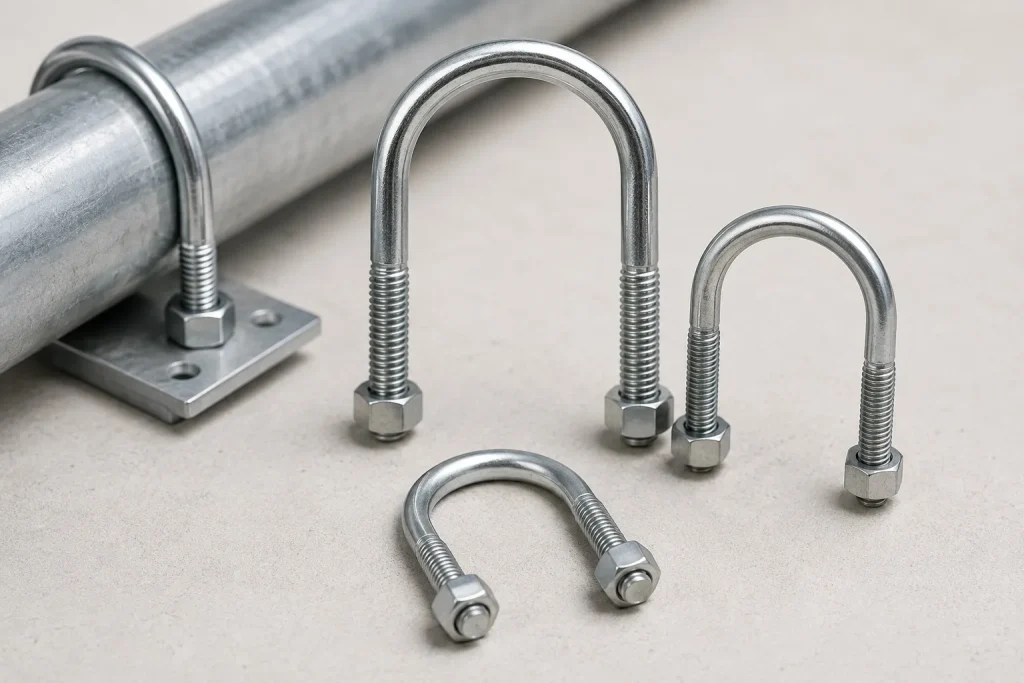
Why Do U Bolts Loosen in Pipe Supports? 6 Causes and Prevention Methods

Why Do U Bolts Loosen in Pipe Supports? 6 Causes and Prevention Methods

U bolts usually loosen in pipe supports because the connection loses clamping force, receives continuous vibration, restricts thermal pipe movement, uses an incorrectly sized U bolt, experiences surface settlement, or suffers from corrosion and inadequate inspection. This issue affects EPC contractors, pipe installers, industrial maintenance teams, equipment manufacturers and fastener distributors working with water, oil […]

Which Hexagonal Wood Screw Specifications Should Buyers Freeze Before Production?

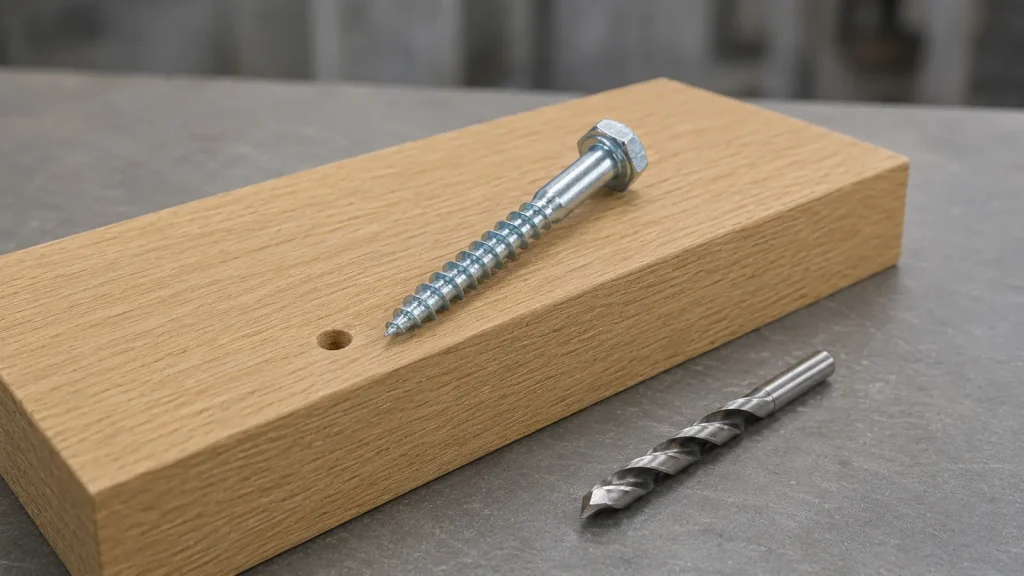
Which Hexagonal Wood Screw Specifications Should Buyers Freeze Before Production?

A hexagonal wood screw order should not be released from a gauge number and length alone. Before production, the buyer and supplier need one approved specification that fixes the screw diameter, length basis, thread geometry, point, hex-head dimensions, material, finish, installation method, substrate and acceptance evidence. The pilot hole belongs in the application specification as […]

Which U-Bolt Measurements Must Buyers Provide Before a Quote?

Which U-Bolt Measurements Must Buyers Provide Before a Quote?

For an M10–M24 U-bolt RFQ, buyers should send a dimensioned drawing that defines thread diameter, inside width, leg or overall length, bend geometry, thread length, application diameter, material or grade requirement, surface finish, matching nuts/washers, quantity, and packing needs. Nominal thread size alone is not enough because different measurement datums can produce U-bolts that look […]

Which Self-Tapping Roofing Screw Specification Fits Metal Panels on Steel or Timber?

Which Self-Tapping Roofing Screw Specification Fits Metal Panels on Steel or Timber?

The correct self-tapping roofing screw depends on the complete panel-and-substrate stack-up. Steel supports typically require a point and thread matched to the support thickness and any pilot-hole requirement; timber supports require a wood-appropriate thread and sufficient embedment. In both cases, buyers must define diameter, length, head, sealing washer, material or coating, environment, pull-out requirements, and […]

Frequently Asked Questions

What information is needed to get a meaningful machine quote?

Describe the repeated operation, the workpiece material, part size range, drawing or sample, target output and loading method. Also state whether you need tooling, fixtures, feeders, controls, installation support or spare parts included, because these items can change the final price.

Is a more automated machine always the better buy?

Not always. Automation can help with long, stable production runs, but it may add cost and setup complexity. For short batches or frequent product changes, a simpler machine with easier changeover may be more practical.

Why can two quotes for similar equipment be far apart?

One quote may cover only the main machine, while another may include application tooling, automatic feeding, sensors, control upgrades, guards, commissioning or spare parts. Compare the full scope of supply and the acceptance standard, not only the quoted machine name.

What is a common misunderstanding about repeat-cycle equipment?

Buyers sometimes assume that any machine that repeats a motion will suit any repeated task. In practice, the material, part geometry, required force, accuracy, feeding stability and tooling design determine whether the machine can produce acceptable parts.

How should I decide between manual loading and automatic feeding?

Manual loading can suit lower volumes, mixed parts and operations where the operator needs to inspect or position the workpiece. Automatic feeding is usually more attractive when the part shape is consistent, the run length is high and reduced operator handling is important.

Leave Your Message

Please provide the repeated operation, the workpiece material and size or a drawing, and your expected production pattern or output. We can then confirm whether this type of machine is relevant and what should be included in a quotation.