Rivet Gun Machine Selection | Hebei Wotu Fastener Manufacturing Co., Ltd.

Rivet Gun Machine Selection

A rivet gun machine joins sheets, profiles or assemblies by deforming a rivet to create a permanent connection. The right choice depends on the fastener type, material combination, joint access and production volume—not just the tool's rated force.

For occasional repair work, a handheld pneumatic or electric tool may be sufficient. Repetitive assembly may call for a powered riveter with controlled actuation, while rivet-nut installation requires a different tool and mandrel system from blind-rivet installation.

Related Products

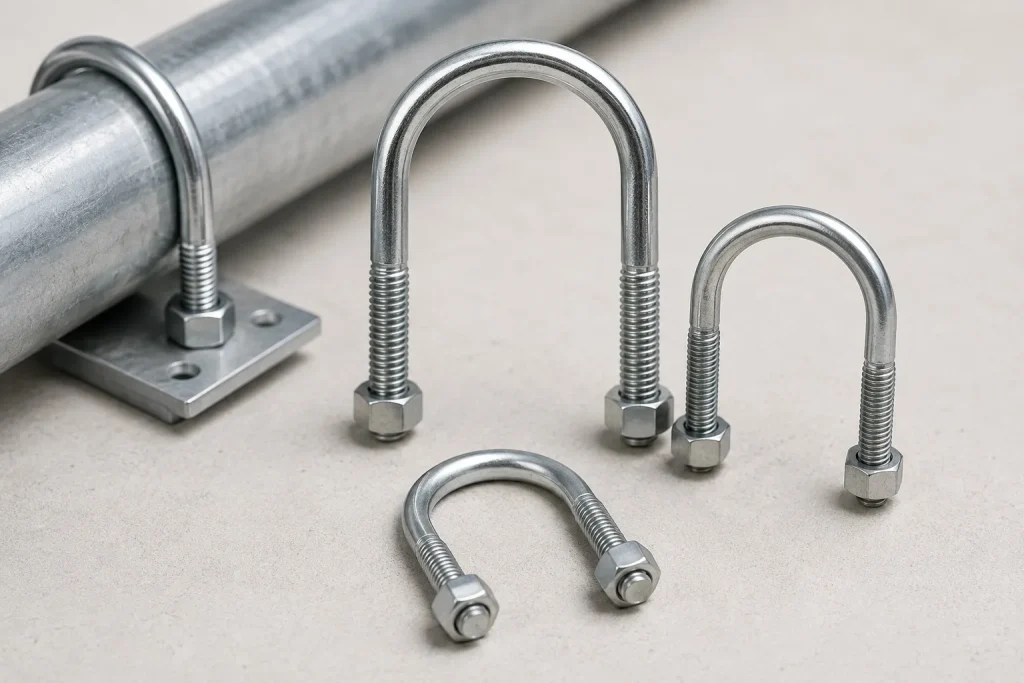
U-bolt ( / U-bolt, M10/M12/M16/M20/M24 multiple specifications)

U-bolt ( / U-bolt, M10/M12/M16/M20/M24 multiple specifications)

Brand: Wotu Surface: natural black oxide / hot-dip galvanized / blue-white zinc plated, multiple processes available Specifications: Based on common industry drawing parameters, suitable for pipe diameter 25mm~139.7mm, screw diameter M10~M24, total length can be nonstandard customized Matching: can be matched with nut, flat washer and spring washer of the same specifications for complete shipment Packaging: Bundling and packaging + 25kg export carton, full-container wooden pallet wrapped with film, supports private-label export packaging

Read More
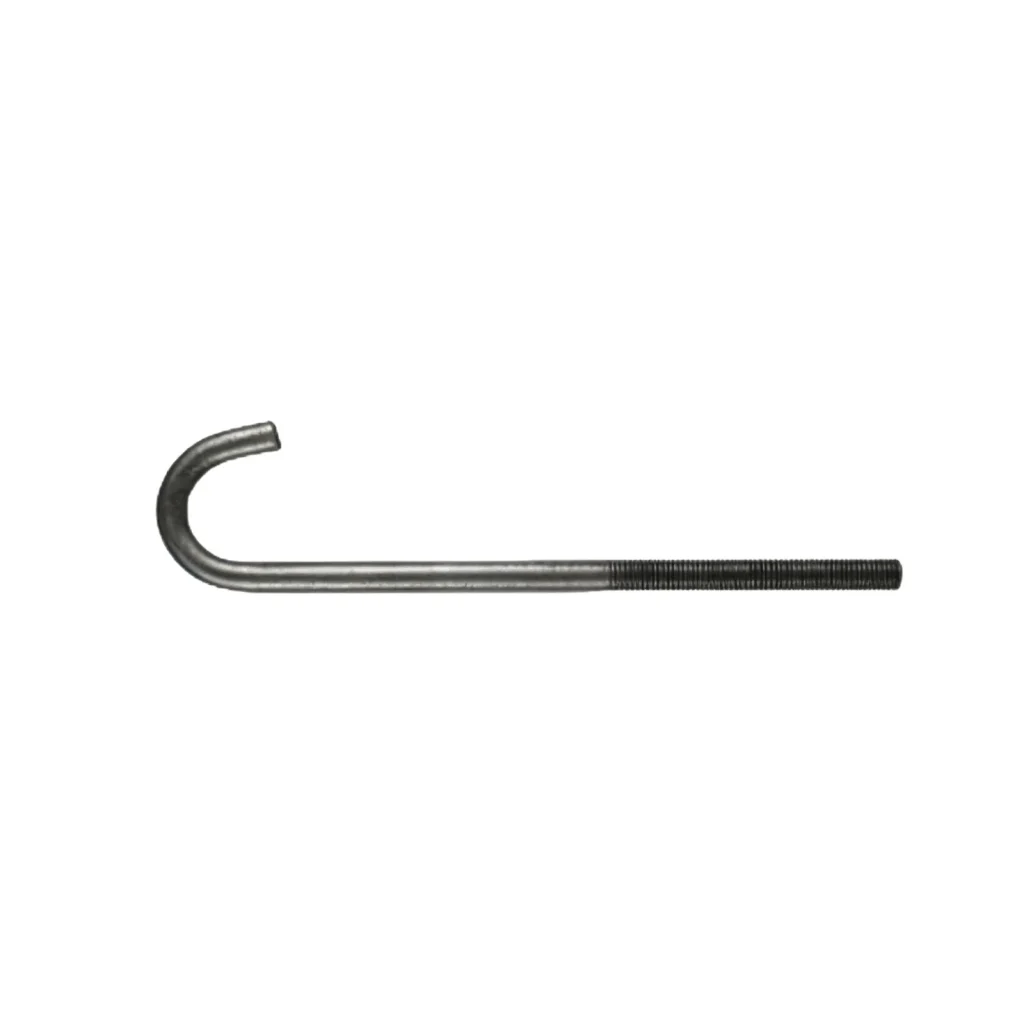
7-letter, 9-letter L-shaped anchor bolt (Chinese national standard GB/T799-1988 embedded anchor screw)

7-letter, 9-letter L-shaped anchor bolt (Chinese national standard GB/T799-1988 embedded anchor screw)

Brand: Wotu Surface: Natural black oxide treatment, customized hot-dip galvanized, zinc plated as required Specifications: Follow Chinese national standard GB/T799-1988, in stock M12-M48, total length 120mm~1500mm, nonstandard customized diameter, bending length, total screw length available Matching: Nuts, flat washers and spring washers of the same specification can be supplied in complete sets. Packaging: Bundling and packaging, using wooden pallets and film-wrapped export packaging in large quantities

Read More
Hex thin nut

Hex thin nut

Brand: Wotu Surface: zinc plated Specifications: in stock M8~M64 full standard specifications, covering precision, machinery, and steel structure full size range, supporting nonstandard tooth pitch and customized thickness Matching: Can be matched with bolts of corresponding specifications, flat washer, spring washer complete set of shipment Packing: packed in 25kg cartons and packed on wooden pallets.

Read More
Hex nut (Chinese national standard GB52-1976)

Hex nut (Chinese national standard GB52-1976)

Brand: Wotu Surface: 304 stainless steel Specifications: in stock M6~M24 full standard metric specifications, supports nonstandard pitch, thickening/customized Matching: Can be matched with bolts of corresponding specifications, flat washer, spring washer complete set of supporting shipment Packaging: 25kg cartons, whole wooden pallets

Read More
Hot-Dip Galvanized Chinese National Standard Flat Washer (GB/T97.1A Level Flat Washer)

Hot-Dip Galvanized Chinese National Standard Flat Washer (GB/T97.1A Level Flat Washer)

Brand: Wotu Surface: overall hot-dip zinc plated anti-corrosion treatment, optional blue-white zinc plated, color zinc plated, black oxide Specifications: Execute GB/T97.1-2002 Chinese national standard, in stock M6-M64 full range of specifications, inner diameter, outer diameter, thickness strictly comply with Chinese national standard parameters, support nonstandard size customized Packaging: 25kg woven bag / export carton packaging, full pallets wrapped with film, supports private-label customization

Read More
Grade 8/Grade 10 High-strength Black Oxide Hex Nut (DIN934/GB Chinese National Standard Thickened Nut)

Grade 8/Grade 10 High-strength Black Oxide Hex Nut (DIN934/GB Chinese National Standard Thickened Nut)

Brand: Wotu Surface: quenching and tempering heat treatment + high temperature black oxide anti-rust treatment Specifications: Comply with DIN934, GB/T6170 standards, in stock M6-M48 full range of specifications, nonstandard sizes can be customized Packaging: 25kg carton/woven bag inner packaging, whole wooden pallet wrapped with film for export packaging, supports neutral/private-label customization packaging

Read More

Match the riveting machine to the fastener and joint

Riveting machine selection

Compare rivet gun machines by fastener compatibility, setting force, drive system, access, nosepiece or mandrel options, cycle control, ergonomics and service requirements. The joint drawing or a representative sample is often more useful than a general machine name when confirming fit.

Criterion What To Check Why It Matters Buyer Tip
Rivet type and size compatibility Confirm the machine matches the rivets you plan to set, such as blind rivets, solid rivets, or threaded inserts, and ask for the supported diameter and material range. A rivet gun machine that does not match the rivet body, mandrel, or grip range can give weak joints, jam frequently, or damage the workpiece. Which rivet types, diameters, materials, and grip ranges can this machine handle without changing the main tool?
Power source and shop setup Check whether the machine is pneumatic, electric, cordless, or hydraulic, and verify the air supply, voltage, battery system, or pump requirements. The power source affects pulling force, cycle speed, portability, noise, maintenance, and whether the tool fits your existing production line. What air pressure, electrical supply, or auxiliary equipment is required for stable operation?
Pulling force and stroke control Ask how the pulling force and stroke are set or adjusted, and whether the machine can handle both thin sheet work and heavier assemblies. Too little force leaves loose rivets; too much force can deform sheet metal, crack coatings, or shorten tool life. Can the force or stroke be adjusted for different workpiece thicknesses and rivet materials?
Nosepiece access and workpiece clearance Compare the nose length, head shape, and available attachments against the actual joint locations on your parts. A powerful rivet gun machine is still unsuitable if it cannot reach corners, channels, recessed holes, or tight flange areas. Can you provide the nosepiece options or head dimensions so they can be checked against our assembly drawings?
Mandrel collection and maintenance parts Ask how spent mandrels are collected, how jams are cleared, and which wear parts need routine replacement. Mandrel handling and maintenance directly affect downtime, operator comfort, and cleanliness in repeated production work. What consumable parts should be kept on hand, and how quickly can an operator clear a jam?

Choose the right drive system and setting method

The first distinction is between a blind-rivet gun and a rivet-nut tool. A blind-rivet gun pulls a mandrel through a rivet body, making it useful when the operator can reach only one side of the joint. A rivet-nut tool installs a threaded insert so the finished assembly can accept a screw.

Also distinguish a handheld riveter from a fixed or semi-automatic riveting machine. Handheld equipment suits varied parts and mobile work; fixed equipment can offer more repeatable positioning and cycle control for a consistent assembly. Confirm the required rivet type, size range, access and daily cycle before comparing machines.

Start with the fastener. Blind rivets, solid rivets, structural rivets and rivet nuts use different nose pieces, mandrels and setting methods. A machine intended for one family should not be assumed to support another. Ask which materials, diameters, lengths and head styles the tool is designed to handle, and whether the necessary accessories are included.

Match the drive system to the work environment. Pneumatic tools need a suitable air supply and hose arrangement; electric tools can simplify installation but require attention to power, duty cycle and operator handling; hydraulic or fixed equipment may suit higher forming loads but generally needs more space and setup. A lighter handheld design improves access, while a heavier machine may provide steadier operation for repeated work.

Check how the machine controls the joint. Consistent pull or forming action, easy nosepiece changes, accessible controls and a way to identify incomplete setting can reduce rework. Avoid choosing by maximum force alone: excessive capacity can add weight and cost, while insufficient capacity can leave loose or improperly formed rivets.

Before requesting a recommendation, send a sample joint description with the rivet material and dimensions, sheet or profile materials and thicknesses, access direction, expected operating frequency and available power or air supply. Also ask what consumables, tooling, maintenance parts and operator instructions are required.

Criteria Importance Description Example Options
Fastener type Critical to compatibility Blind rivets, structural rivets, solid rivets and rivet nuts require different setting methods and tooling. The fastener family should be confirmed before comparing drive systems or machine size. A one-sided sheet assembly may need a blind-rivet tool, while a panel that later accepts a screw may need a rivet-nut tool.
Drive system Important for workplace fit Pneumatic, electric, hydraulic and fixed machines suit different operating conditions. Consider available utilities, mobility, duty level, noise, hose management and maintenance needs. A bench assembly line with compressed air may suit pneumatic equipment; mobile repair work may favor an electric handheld tool.
Access and ergonomics Important for consistent use Tool weight, nose length, head shape and operator position affect whether the rivet can be reached squarely. Poor access can cause mis-setting even when the machine has enough force. A narrow enclosure corner may require a compact nose arrangement rather than a larger tool body.
Setting control Important for repeatable joints Consistent pull, stroke control, clear actuation and simple tooling changes help reduce rework. Buyers should ask how the machine supports repeatable setting for the selected fastener. Repeated assembly of the same panel may benefit from a tool setup that reduces variation between operators.
Consumables and service items Practical for ownership cost and uptime Nosepieces, jaws, mandrels and wear parts may need replacement depending on the fastener and usage level. Confirm what parts are included and what should be kept as spares. A rivet-nut application may need mandrels for the required thread sizes, while blind-rivet tools may need matching nosepieces.

Blog Articles / Reviews

What Is a Fastener? Types, Functions and Industrial Uses

What Is a Fastener? Types, Functions and Industrial Uses

A fastener is a hardware component that mechanically joins or secures parts. Common examples include screws, bolts, nuts and rivets; washers are supporting components used in many fastening assemblies. Some connections can be dismantled by removing threaded fasteners, while others, such as riveted joints, normally require the fastener to be destroyed during removal. In industrial […]

Hex Thin Nut vs Standard Hex Nut: Which Fits Space-Limited or Locking Assemblies?

Hex Thin Nut vs Standard Hex Nut: Which Fits Space-Limited or Locking Assemblies?

Direct Answer: Choose a hex thin nut when reduced nut height is genuinely required by the assembly or when the engineering design specifies it as part of a locking arrangement. Choose a standard hex nut when full nut height, normal thread engagement, and the specified load-bearing function are required. Buyers should compare nut height, thread […]

Why Do U Bolts Loosen in Pipe Supports? 6 Causes and Prevention Methods

Why Do U Bolts Loosen in Pipe Supports? 6 Causes and Prevention Methods

U bolts usually loosen in pipe supports because the connection loses clamping force, receives continuous vibration, restricts thermal pipe movement, uses an incorrectly sized U bolt, experiences surface settlement, or suffers from corrosion and inadequate inspection. This issue affects EPC contractors, pipe installers, industrial maintenance teams, equipment manufacturers and fastener distributors working with water, oil […]

Anchor Bolts: 7 Ordering Errors That Cause Site Rework

Anchor Bolts: 7 Ordering Errors That Cause Site Rework

ost anchor bolt ordering errors come from incomplete drawings, unclear dimensions, unsuitable material or coating choices, undefined tolerances, and mismatched nuts or washers. These mistakes affect steel fabricators, EPC contractors, equipment installers, importers, and distributors because anchor bolts are usually embedded before the connected structure arrives on site. Once concrete has cured, even a small […]

Applications of Anchor Bolts

Applications of Anchor Bolts

Fixed anchor bolts, also known as short anchor bolts, are cast in with the foundation and used to secure equipment that does not experience strong vibration or impact. 1. Fixed anchor bolts, also known as short anchor bolts, are cast in with the foundation and used to secure equipment that does not experience strong vibration […]

Definition of Self-Drilling Screw

Definition of Self-Drilling Screw

A screw is a tool that uses the physical and mathematical principles of inclined planes, circular rotation, and friction to gradually tighten objects and machine parts. A self-drilling screw is a screw with a self-tapping drill bit at its tip. Screws are a common invention of humankind throughout history, and in terms of application, they […]

Frequently Asked Questions

Can one machine install both blind rivets and rivet nuts?

Usually no. Blind rivets and rivet nuts use different setting actions, tooling and mandrels, so a tool made for one family should not be assumed to handle the other. Confirm the exact fastener type, diameter, grip range and thread system before selecting a machine.

Is a pneumatic tool better than an electric riveter?

Pneumatic tools are often suitable for repetitive shop work where a stable air supply is already available. Electric tools can be convenient where hoses are inconvenient or work locations change, but buyers should check duty cycle, battery or power requirements and tool weight.

What information is needed to check if a tool will set the joint correctly?

Provide the rivet or insert type, material, diameter, length or grip range, and the materials and thicknesses being joined. Access direction, hole size, expected daily use and available air or electrical supply also affect the recommendation.

Does higher pulling force always mean a better choice?

No. The machine needs enough capacity to set the fastener properly, but excessive capacity can add weight, cost and handling difficulty. The better choice is one matched to the specified rivet range and the operator’s working position.

What common mistake causes loose or failed riveted joints?

A frequent problem is matching the tool while ignoring the rivet grip range, hole preparation or material stack thickness. Even a suitable machine can give poor results if the fastener is too short, the hole is oversized, or the nosepiece and mandrel do not match the rivet.

Leave Your Message

Please share the rivet or rivet-nut type and size, the joined materials and thicknesses, and your available power or air supply. If possible, include the daily usage level and a joint drawing or sample description.