The useful distinction is not only “screw” versus “bolt,” but how the fastener is tightened and what it clamps into. A machine screw may thread into a tapped hole, while a bolt often works with a nut or pre-formed thread and is chosen for clamping strength, service access, and repeat assembly.
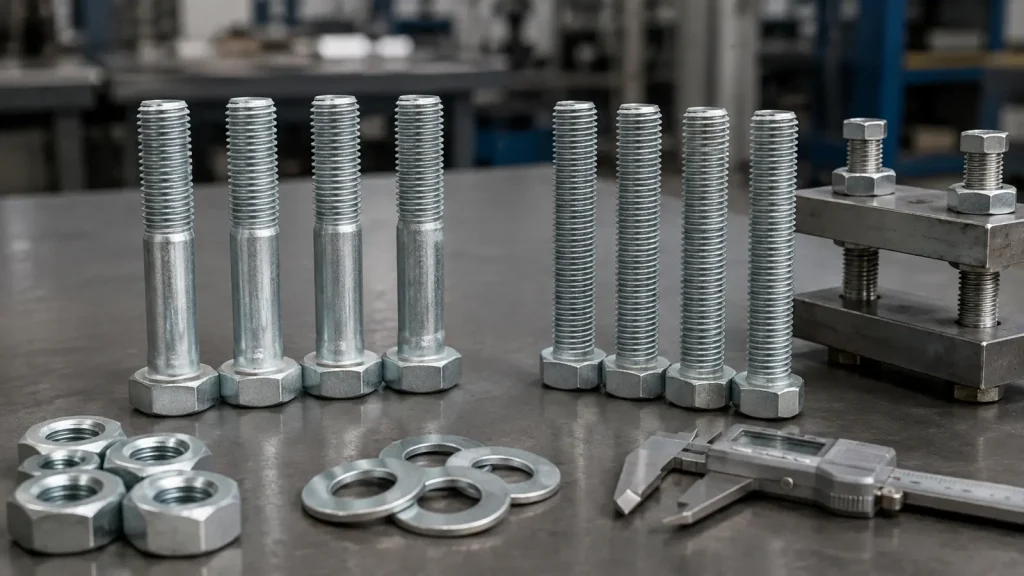
That matters because the same diameter and length can behave differently depending on thread engagement, bearing surface, washer use, and coating thickness. Before ordering skru bolt items, confirm the mating part, required standard, thread type, and whether the bolt must be fully threaded or partially threaded.
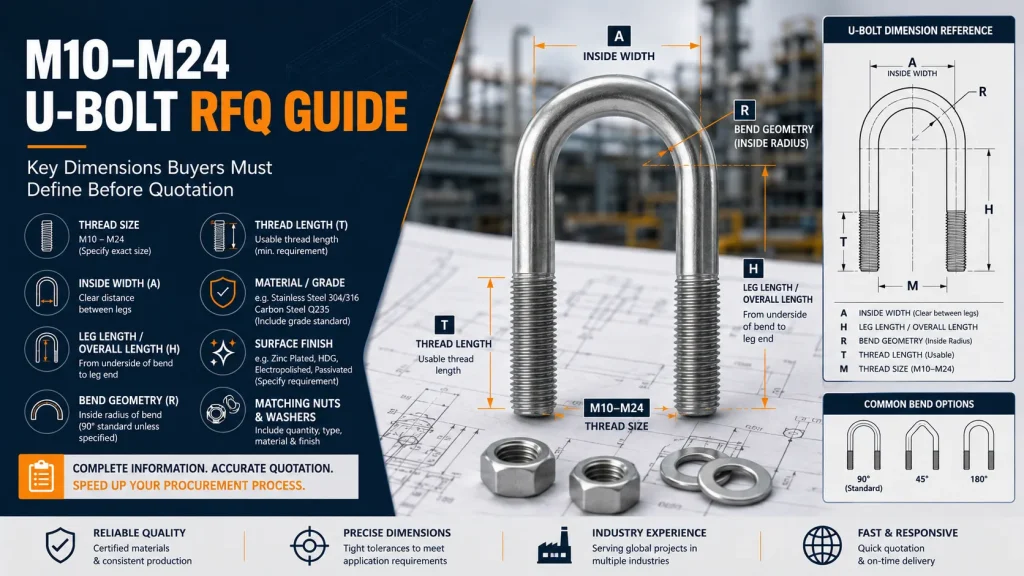
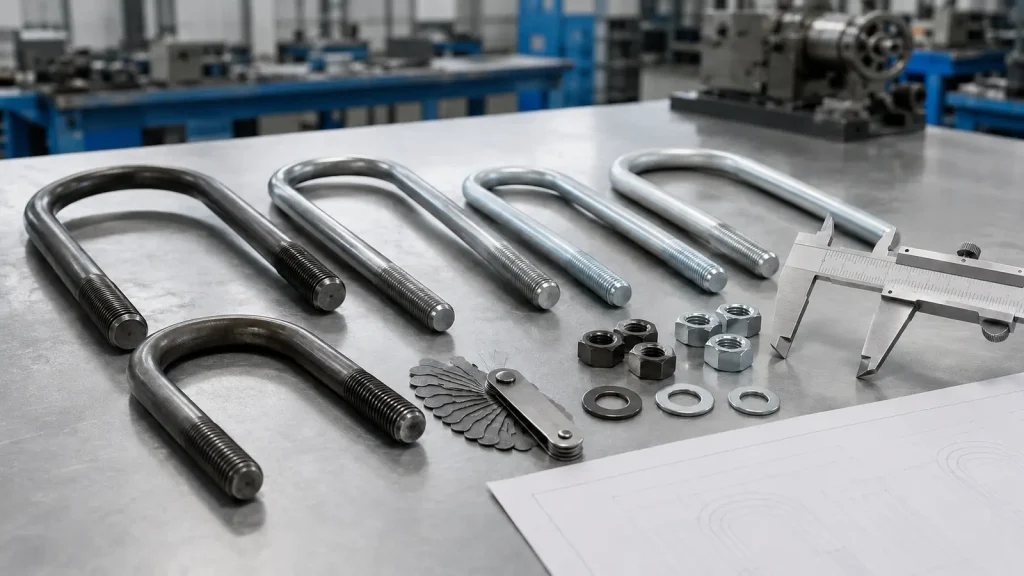
Start with the joint, not the name. Send a drawing, sample photo, or clear description of the assembly. A structural connection, pipe support, equipment base, and sheet-metal joint may all use “bolts,” but they call for different head forms, thread lengths, coatings, and nuts or washers.
Check thread and length details carefully. Common mistakes include measuring only overall length, forgetting the unthreaded shank, or assuming that two standards with similar diameters are interchangeable. If the bolt passes through thick material, the grip length and usable thread length matter as much as the nominal size.
Choose coating for the service environment. Plain, zinc-plated, and hot-dip galvanized finishes serve different purposes. Coating choice affects corrosion resistance, appearance, thread fit, and compatibility with nuts. For outdoor, wet, or chemically exposed applications, ask which coating is suitable and whether matching nuts and washers are required.
Confirm the purchasing basis before production or shipment. Useful details include standard or drawing, diameter, pitch, length, material or property class, finish, quantity, packaging needs, and any inspection documents you require. If the fastener is for safety-critical work, have the design or engineering requirement checked before ordering.