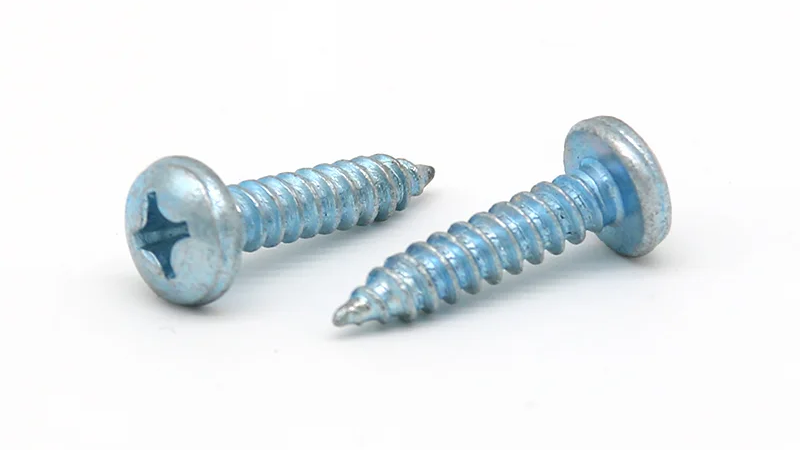
The most important distinction is between tools for wire thread inserts and tools for solid threaded inserts, rivet nuts, or self-tapping inserts. These products may all create durable internal threads, but they install in different ways. A tang-style wire insert tool winds the coil into a tapped hole; a rivet nut tool collapses the insert body from one side; a solid insert driver may need a matching drive feature or controlled torque.
This matters because a tool that “fits the thread” may still be wrong for the insert type. Before asking for a price, confirm the insert design, internal thread size, external installation method, and the material receiving the insert. Those details prevent mismatched mandrels, poor pull-up, cross-threading, and damaged female threads.
Start with the insert, not the tool. Identify whether the job uses wire thread inserts, rivet nuts, key-locking inserts, self-tapping inserts, or another solid threaded insert. Each style needs a different drive action, and some require preparation steps such as drilling, tapping, countersinking, or tang removal. A clear photo or drawing of the insert often prevents confusion.
Match the tool to the application volume. A manual threaded insert tool can suit maintenance, prototype work, and small batches because it is simple to control and easy to store. For repeated assembly, a pneumatic, electric, or battery-powered option may improve consistency and reduce hand strain. The trade-off is setup, tooling cost, and the need to control stroke, torque, or pull force correctly.
Check access around the hole. Deep recesses, blind holes, thin sheet, curved panels, and tight corners can change the required mandrel length, nosepiece shape, or handle clearance. A common mistake is selecting a tool based only on the thread size and then finding that the nose assembly cannot reach the installation point.
For an inquiry to Hebei Wotu Fastener Manufacturing Co., Ltd., send the insert type, thread size, base material, hole access condition, and estimated batch size. If you already have inserts, include their drawings or photos and ask which installation tool, mandrel, or nosepiece should be paired with them.