Bolt and Nut Assemblies | Hebei Wotu Fastener Manufacturing Co., Ltd.

Bolt and Nut Assemblies for Matched Fastening

A bolt and nut assembly is a matched fastening set for joining parts through a clearance hole. The main purchasing decision is not simply bolt length; the bolt, nut, thread system, washer arrangement, material and surface treatment must suit the joint, environment and installation method.

For structural frames, machinery, pipe supports or general equipment assembly, a correctly matched set reduces fit problems and makes tightening more predictable. Define the joint and operating conditions first, then confirm which components are supplied together and which must be ordered separately.

Related Products

Hot-Dip Galvanized Hex Head Bolt (DIN931 Half Thread / DIN933 Full Thread / GB30 Chinese National Standard Bolt, Can Be Equipped With Nut And Washer Set)

Hot-Dip Galvanized Hex Head Bolt (DIN931 Half Thread / DIN933 Full Thread / GB30 Chinese National Standard Bolt, Can Be Equipped With Nut And Washer Set)

Brand: Wotu Surface: overall hot-dip zinc plating treatment Specifications: Comply with DIN and GB standards, in stock M6-M48 full range of specifications, length 20mm-300mm, supports nonstandard customized. Packaging: woven bag inside / 25kg export carton, film-wrapped wooden pallet; supports neutral packaging and customer private-label customization.

Read More
Hex nut (Chinese national standard GB52-1976)

Hex nut (Chinese national standard GB52-1976)

Brand: Wotu Surface: 304 stainless steel Specifications: in stock M6~M24 full standard metric specifications, supports nonstandard pitch, thickening/customized Matching: Can be matched with bolts of corresponding specifications, flat washer, spring washer complete set of supporting shipment Packaging: 25kg cartons, whole wooden pallets

Read More
Hex flange nut (Chinese national standard GB/T6177.1-2000)

Hex flange nut (Chinese national standard GB/T6177.1-2000)

Brand: Wotu Surface: zinc plated Specifications: in stockM6/M8/M10/M12/M14/M16/M20 Chinese national standardfull range of specifications, support nonstandard thickness, tooth pitch customized Matching: can be matched with bolts of the same specification, flat washer, spring washer complete set of shipment Packaging: 25kg cartons, whole wooden pallets

Read More
Grade 8/Grade 10 High-strength Black Oxide Hex Nut (DIN934/GB Chinese National Standard Thickened Nut)

Grade 8/Grade 10 High-strength Black Oxide Hex Nut (DIN934/GB Chinese National Standard Thickened Nut)

Brand: Wotu Surface: quenching and tempering heat treatment + high temperature black oxide anti-rust treatment Specifications: Comply with DIN934, GB/T6170 standards, in stock M6-M48 full range of specifications, nonstandard sizes can be customized Packaging: 25kg carton/woven bag inner packaging, whole wooden pallet wrapped with film for export packaging, supports neutral/private-label customization packaging

Read More
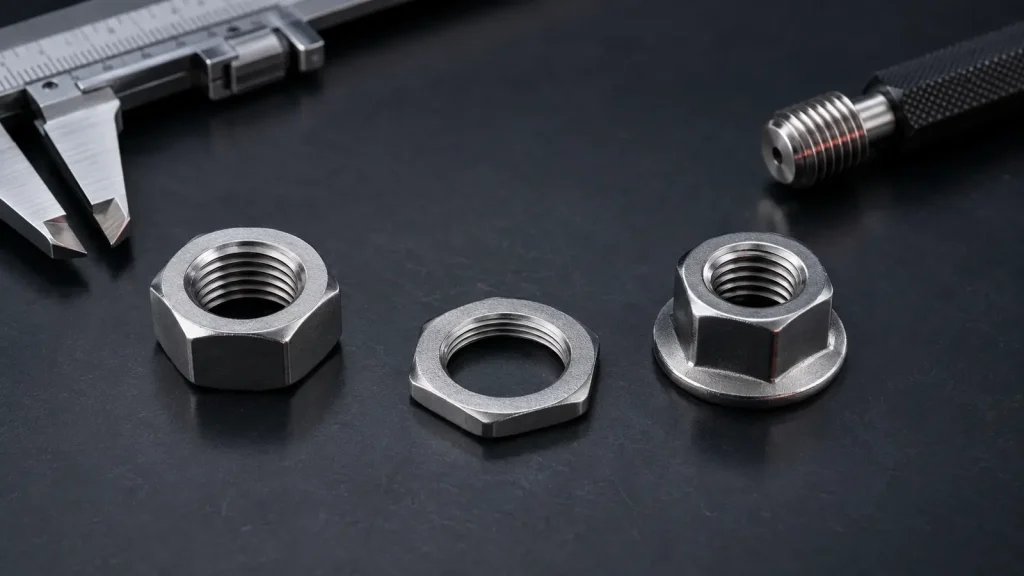
Chinese National Standard / German Standard Hex Nut (thick Nuts, Thin Nuts, Flange Nuts, Multiple Categories)

Chinese National Standard / German Standard Hex Nut (thick Nuts, Thin Nuts, Flange Nuts, Multiple Categories)

Brand: Wotu Surface: color zinc plated, blue-white zinc plated, black oxide, hot-dip galvanized, various surface treatments available Specifications: Comply with DIN934, GB/T6170, GB/T6172.1, GB/T6177.1 standards, in stock M6-M64 full range of specifications, support nonstandard customized Packaging: woven bag inside/25kg export carton, full-container wooden pallet wrapped with film, supports private-label, neutral export packaging

Read More
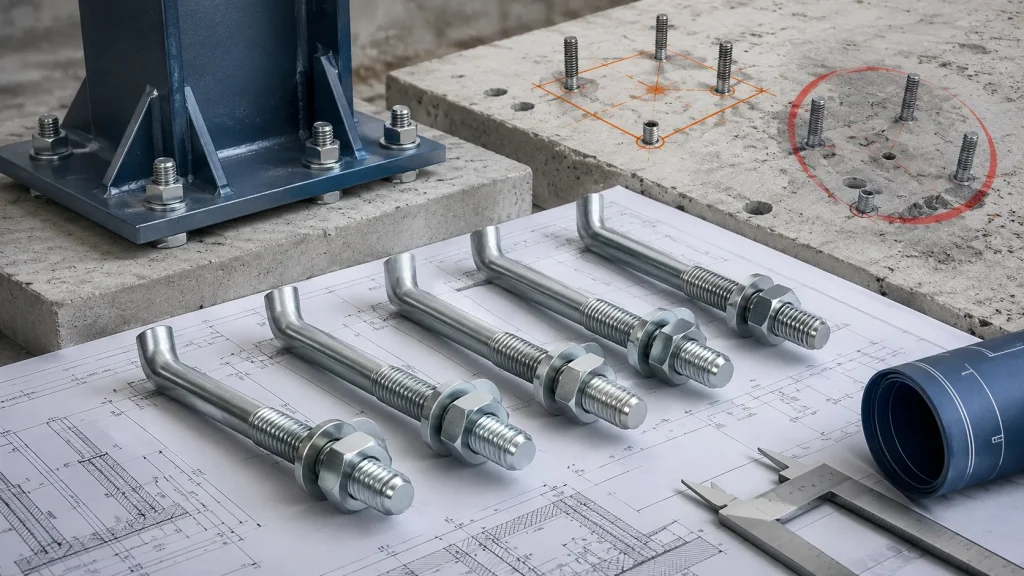
7-letter, 9-letter L-shaped anchor bolt (Chinese national standard GB/T799-1988 embedded anchor screw)

7-letter, 9-letter L-shaped anchor bolt (Chinese national standard GB/T799-1988 embedded anchor screw)

Brand: Wotu Surface: Natural black oxide treatment, customized hot-dip galvanized, zinc plated as required Specifications: Follow Chinese national standard GB/T799-1988, in stock M12-M48, total length 120mm~1500mm, nonstandard customized diameter, bending length, total screw length available Matching: Nuts, flat washers and spring washers of the same specification can be supplied in complete sets. Packaging: Bundling and packaging, using wooden pallets and film-wrapped export packaging in large quantities

Read More

Match the bolt, nut and joint requirements

Assembly selection criteria

Compare bolt and nut assemblies by thread compatibility, joint dimensions, head and nut access, material, surface treatment, locking method and washer requirements. The right choice depends on the load and environment of the finished joint, not on the bolt name alone.

Criterion What To Check Why It Matters Buyer Tip
Thread standard and fit Confirm the bolt thread and nut thread use the same standard, diameter, pitch, and tolerance class. A nut may start by hand but bind, strip, or give false torque if the thread form or pitch is wrong. Ask: Can you match the bolt and nut to the exact drawing standard or sample thread gauge required for this assembly?
Bolt length and thread engagement Check grip length, total length, threaded length, washer stack, and the amount of thread showing after tightening. Too little engagement weakens the joint; too much length can interfere with covers, moving parts, or adjacent components. Ask: After all parts and washers are installed, how many threads should remain exposed beyond the nut?
Nut type for the space and locking need Compare standard hex nuts, thin nuts, heavy nuts, lock nuts, or double-nut arrangements against available height and vibration risk. A thin nut saves space but may reduce thread engagement; a locking method may be needed where vibration or thermal cycling can loosen the joint. Ask: Is the joint static, vibrating, or frequently serviced, and is there enough height for the preferred nut style?
Material and surface finish compatibility Specify bolt, nut, and washer material together, including coating or plating, rather than treating each item separately. Mixed materials or coatings can affect corrosion behavior, tightening feel, and long-term removal. Ask: Will the assembly be used indoors, outdoors, near chemicals, or with dissimilar metals that need a compatible finish?
Tightening method and washer selection Confirm whether the joint is tightened by torque, turn-of-nut, or another controlled method, and whether flat or spring washers are required. The same bolt and nut can perform differently depending on friction, bearing surface, and how preload is applied. Ask: What tightening instruction will the installer follow, and should the supplied assembly include matching washers?

Specify the assembly before you request a quote

Order bolts and nuts as a matched assembly when thread compatibility, corrosion resistance and installation consistency matter across many joints. Specify them separately only when the design already fixes the bolt standard and you need a particular nut, washer or locking arrangement.

The distinction matters because similar-looking metric, inch, coarse-thread and fine-thread parts are not interchangeable. A thin nut may solve a clearance problem, but it may not provide the same engagement or suitability as a standard hex nut. For joints exposed to vibration, select the complete retention method rather than relying on the nut alone.

Start with the joint drawing or sample. State the bolt diameter, length, thread standard and pitch, head style, nut type and whether washers are required. Length should allow full nut engagement without excessive projection, while the head and nut must leave enough room for the selected tool.

Match the material and finish to the environment. Indoor dry equipment, outdoor frames, humid areas and chemically exposed installations can require different corrosion considerations. Do not compare a plain, plated or otherwise treated assembly only by appearance; ask what material and surface treatment apply to both the bolt and nut.

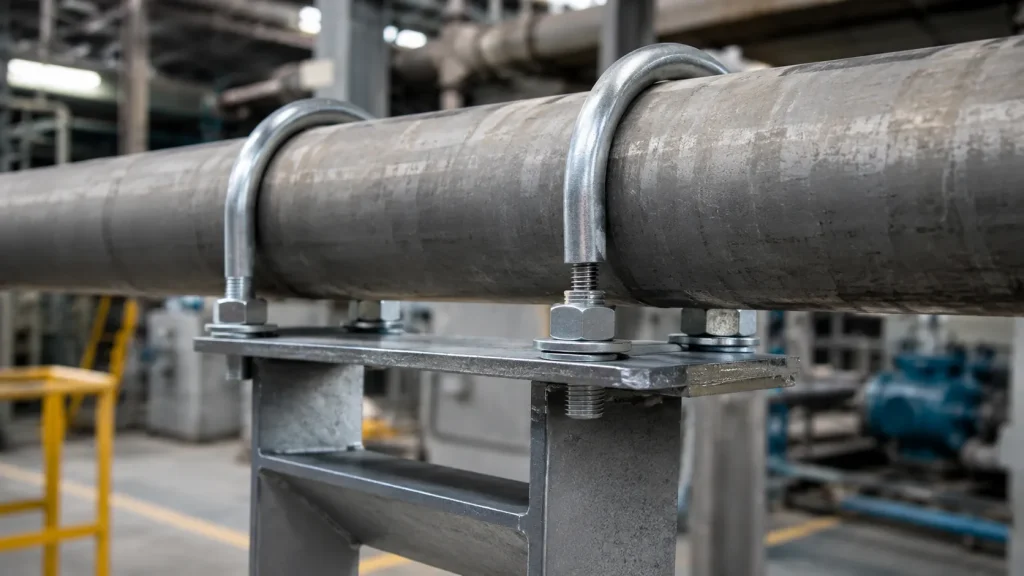
Account for movement and service conditions. Pipe supports and machinery subject to vibration may need a defined locking method, suitable washer arrangement or a different joint design. Avoid substituting a thin nut merely to fit a restricted space, and do not mix components with different thread systems or incompatible standards.

Before requesting an offer from Hebei Wotu Fastener Manufacturing Co., Ltd., send the application, assembly drawing or sample, required quantity, thread standard and material or finish preference. Ask whether the bolt, nut and washer are supplied as one matched set, and confirm the inspection or documentation available for the specified order.

Criteria Importance Description Example Options
Thread system and pitch Critical for fit and safe assembly The bolt and nut must use the same thread standard, diameter and pitch. Parts that look similar may not engage correctly if metric, inch, coarse or fine threads are mixed. A metric bolt should be paired with a matching metric nut of the same diameter and pitch, not selected by outside appearance alone.
Bolt length and nut engagement Important for clamp reliability and installation fit The bolt must pass through the joined parts and provide adequate nut engagement without leaving excessive unused projection. Too short may reduce engagement; too long may interfere with nearby parts. For a bracket assembly, the grip thickness and washer stack determine the usable bolt length.
Nut type and available space Important where access or clearance is restricted Standard hex nuts, thin nuts and locking arrangements serve different purposes. A smaller or thinner nut may solve a space problem but can change engagement and tightening behaviour. A thin nut may fit behind a cover plate, while a standard hex nut may be preferred where normal engagement and tool access are available.
Material and surface finish Important for corrosion exposure and service life Indoor dry equipment, outdoor frames and humid or chemically exposed areas can require different material and finish choices. The bolt, nut and washer should be considered as a set, not as separate appearances. An indoor fixture and an outdoor support may need different corrosion protection even if the dimensions are the same.
Vibration and locking method Critical for machinery, supports and moving assemblies Joints exposed to vibration may need a defined locking method, suitable washer choice or a revised joint design. Simply tightening a standard nut harder is not always the right solution. A pipe support subject to movement may require a retention approach that is specified together with the bolt and nut.

Blog Articles / Reviews

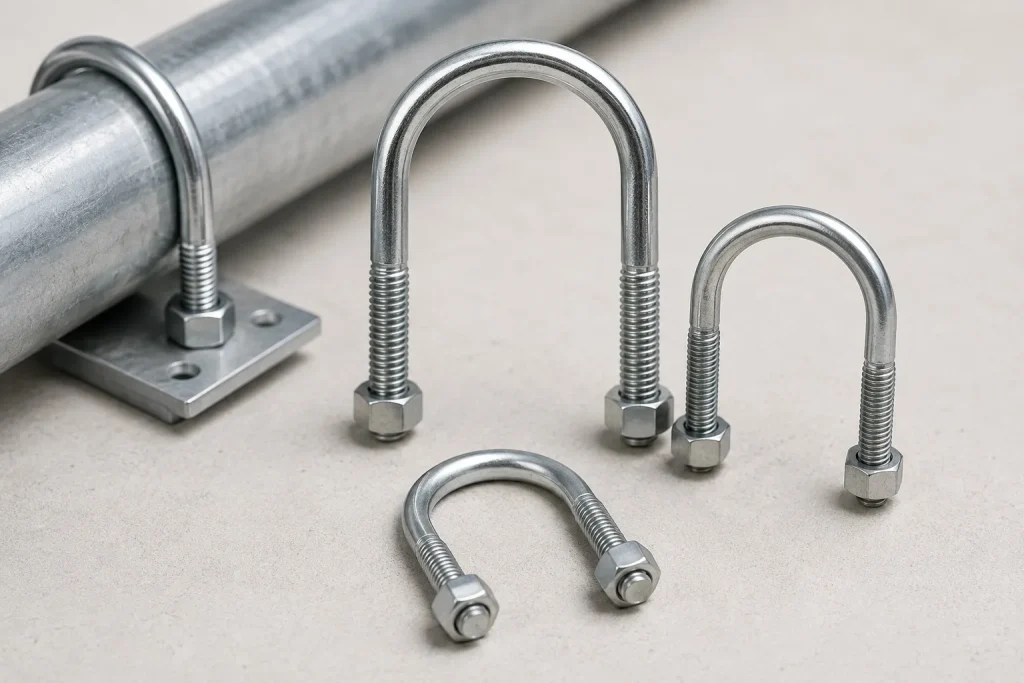
Why Do U Bolts Loosen in Pipe Supports? 6 Causes and Prevention Methods

Why Do U Bolts Loosen in Pipe Supports? 6 Causes and Prevention Methods

U bolts usually loosen in pipe supports because the connection loses clamping force, receives continuous vibration, restricts thermal pipe movement, uses an incorrectly sized U bolt, experiences surface settlement, or suffers from corrosion and inadequate inspection. This issue affects EPC contractors, pipe installers, industrial maintenance teams, equipment manufacturers and fastener distributors working with water, oil […]

Hex Thin Nut vs Standard Hex Nut: Which Fits Space-Limited or Locking Assemblies?

Hex Thin Nut vs Standard Hex Nut: Which Fits Space-Limited or Locking Assemblies?

Direct Answer: Choose a hex thin nut when reduced nut height is genuinely required by the assembly or when the engineering design specifies it as part of a locking arrangement. Choose a standard hex nut when full nut height, normal thread engagement, and the specified load-bearing function are required. Buyers should compare nut height, thread […]

How Should Buyers Select Chinese and German Standard Hex Nuts?

How Should Buyers Select Chinese and German Standard Hex Nuts?

Direct Answer: Select a hex nut by the exact standard number and edition, thread diameter and pitch, nut style, property class, material, finish, mating bolt and acceptance method. “Chinese standard” or “German standard” alone is not a complete specification. Regular, thick, thin and flange nuts can differ in geometry and load behavior, so buyers should […]

How to Specify Countersunk Head Cross Thick Thread Fiberboard Screws for Furniture Assembly Projects

How to Specify Countersunk Head Cross Thick Thread Fiberboard Screws for Furniture Assembly Projects

Fiberboard screws are selected based on more than screw size alone. For furniture assembly and board-based applications, buyers need to match the screw structure with the characteristics of fiberboard, MDF, and similar engineered wood materials. A suitable specification should consider thread design, head style, screw length, diameter, installation method, and application requirements. For buyers sourcing […]

Anchor Bolts: 7 Ordering Errors That Cause Site Rework

Anchor Bolts: 7 Ordering Errors That Cause Site Rework

ost anchor bolt ordering errors come from incomplete drawings, unclear dimensions, unsuitable material or coating choices, undefined tolerances, and mismatched nuts or washers. These mistakes affect steel fabricators, EPC contractors, equipment installers, importers, and distributors because anchor bolts are usually embedded before the connected structure arrives on site. Once concrete has cured, even a small […]

Frequently Asked Questions

How do I know if a bolt and nut set is suitable for my application?

Check the joint first: hole size, clamping thickness, load direction, vibration, available tool space and exposure to moisture or chemicals. Then match the bolt diameter, length, thread pitch, nut type, washer arrangement, material and finish to those conditions.

Is it better to buy the bolt and nut together or as separate items?

Buy them together when you need consistent thread matching across many assemblies or want to reduce the risk of mixing standards. Order separately when an existing drawing already fixes one component and you only need to replace or customise the other part.

Can I use a thin nut instead of a standard hex nut to save space?

A thin nut can help where clearance is limited, but it is not a direct substitute in every joint. Confirm the required thread engagement, tightening method and service conditions before replacing a standard nut with a thinner option.

Why do some assemblies loosen after installation?

Common causes include vibration, joint settlement, poor thread engagement, unsuitable washers, incorrect tightening and mismatched components. For moving equipment or pipe supports, choose the retention method as part of the assembly rather than treating loosening as only a nut problem.

What details should I send with an enquiry?

Send the drawing or sample if available, plus bolt diameter, length, thread standard and pitch, head style, nut type, washer needs, material, surface finish and quantity. Also describe the application and environment so the supplier can check whether the requested assembly is practical.

Leave Your Message

Tell us the application, bolt and nut dimensions or standard, and the required material or surface finish. If washers, locking features, a drawing or a sample are needed, include those details as well.