Coach Bolts Selection Guide | Hebei Wotu Fastener Manufacturing Co., Ltd.

Coach Bolts for Timber and Bracket Connections

Coach bolts are usually chosen for timber connections, timber-to-metal fixing, gates, fencing, outdoor structures, pallets and general construction work where a smooth domed head is preferred on the visible side. The main decision is not only diameter and length; it is whether the square neck, thread length, nut and finish suit the material being clamped.

A good enquiry should make the joint clear. Coach bolts used in soft timber, treated timber, steel brackets or outdoor service can need different coatings, washers and thread arrangements to prevent poor seating, corrosion or loosening over time.

Related Products

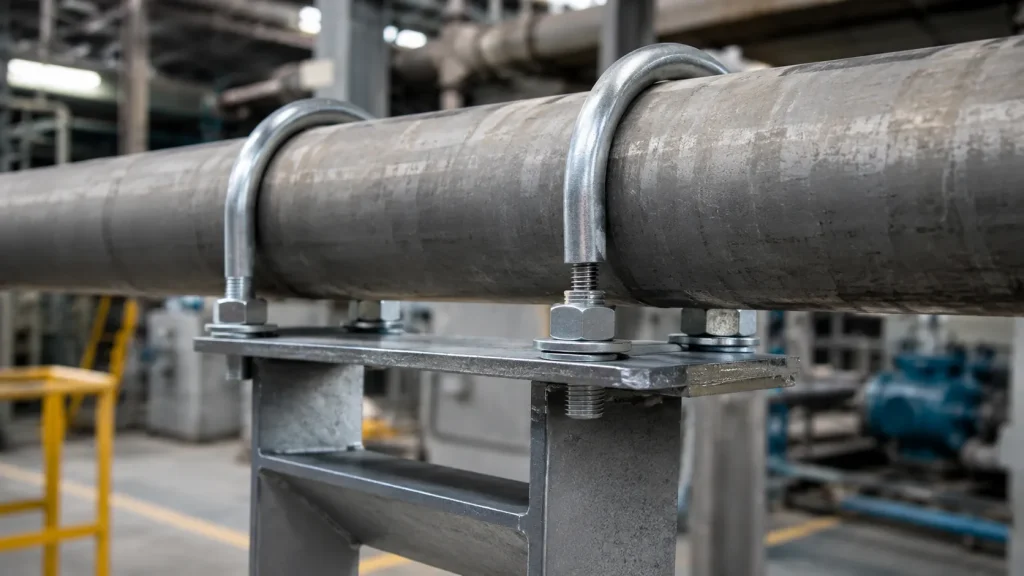
U-bolt ( / U-bolt, M10/M12/M16/M20/M24 multiple specifications)

U-bolt ( / U-bolt, M10/M12/M16/M20/M24 multiple specifications)

Brand: Wotu Surface: natural black oxide / hot-dip galvanized / blue-white zinc plated, multiple processes available Specifications: Based on common industry drawing parameters, suitable for pipe diameter 25mm~139.7mm, screw diameter M10~M24, total length can be nonstandard customized Matching: can be matched with nut, flat washer and spring washer of the same specifications for complete shipment Packaging: Bundling and packaging + 25kg export carton, full-container wooden pallet wrapped with film, supports private-label export packaging

Read More
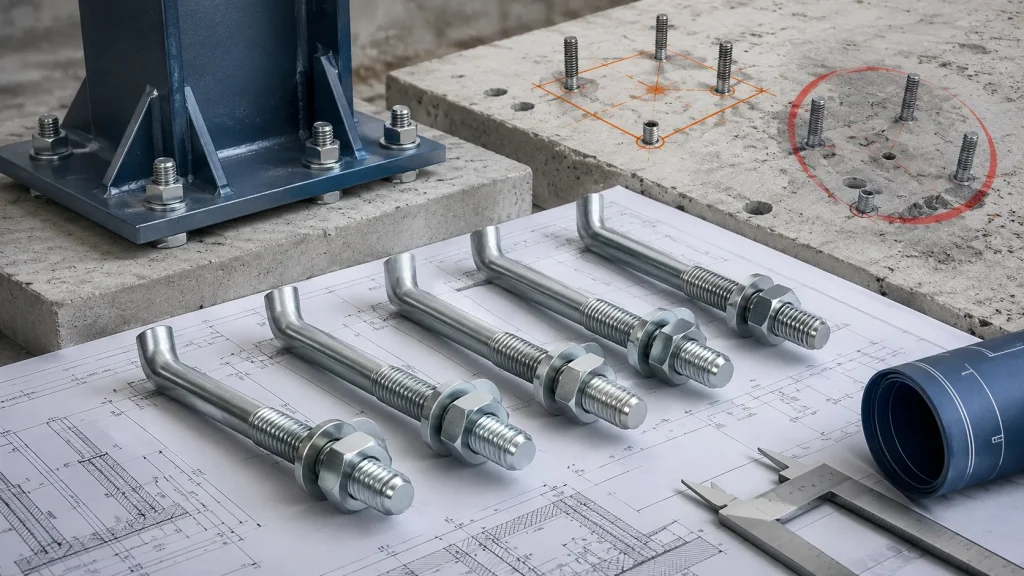
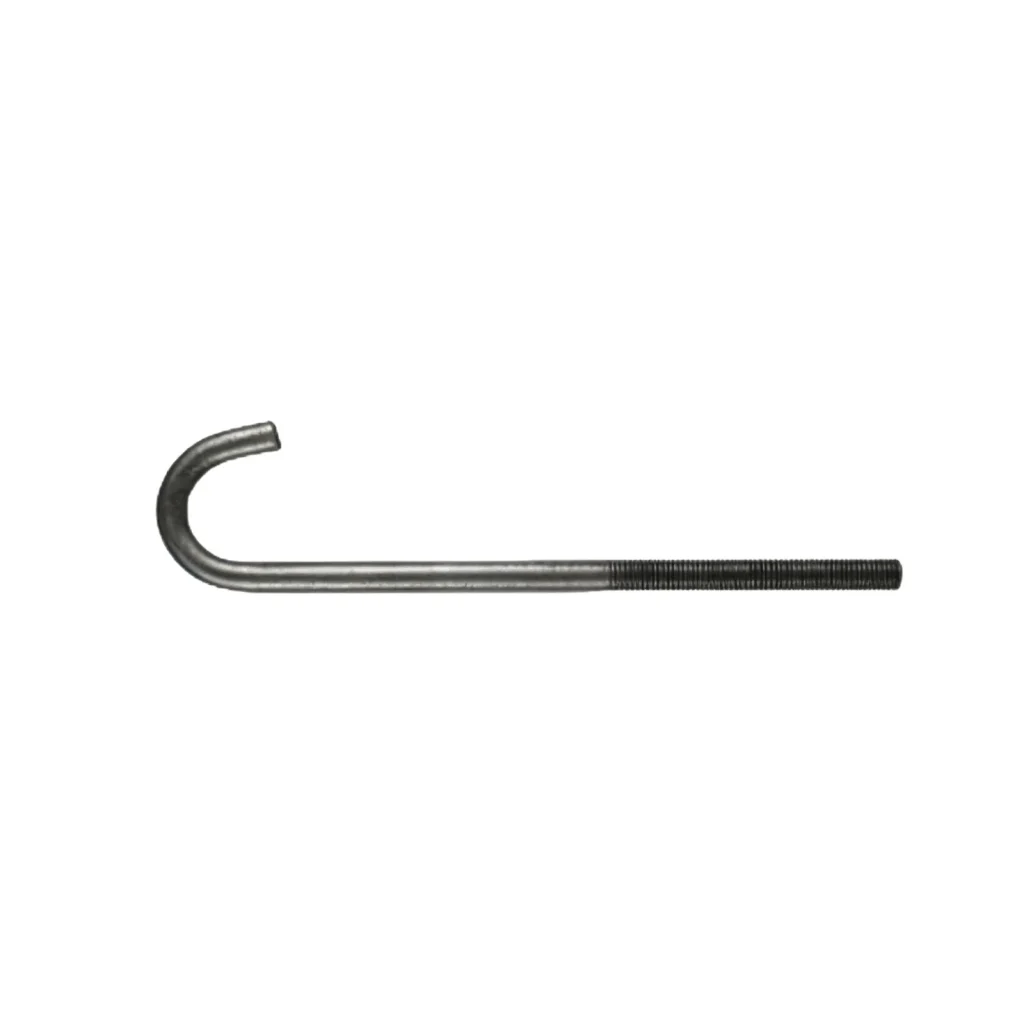
7-letter, 9-letter L-shaped anchor bolt (Chinese national standard GB/T799-1988 embedded anchor screw)

7-letter, 9-letter L-shaped anchor bolt (Chinese national standard GB/T799-1988 embedded anchor screw)

Brand: Wotu Surface: Natural black oxide treatment, customized hot-dip galvanized, zinc plated as required Specifications: Follow Chinese national standard GB/T799-1988, in stock M12-M48, total length 120mm~1500mm, nonstandard customized diameter, bending length, total screw length available Matching: Nuts, flat washers and spring washers of the same specification can be supplied in complete sets. Packaging: Bundling and packaging, using wooden pallets and film-wrapped export packaging in large quantities

Read More
Hex nut DIN934-1987 (A/B accuracy classification)

Hex nut DIN934-1987 (A/B accuracy classification)

Brand: Wotu Standard basis: German standard DIN934-1987, metric coarse thread/fine thread universal thread Surface: 304 stainless steel Specifications: M6~M24 full range of specifications Supporting equipment: same specification bolts, flat washer, spring washer complete set of shipment Packaging: 25kg standard carton, whole wooden pallet packaging

Read More
Hex thin nut

Hex thin nut

Brand: Wotu Surface: zinc plated Specifications: in stock M8~M64 full standard specifications, covering precision, machinery, and steel structure full size range, supporting nonstandard tooth pitch and customized thickness Matching: Can be matched with bolts of corresponding specifications, flat washer, spring washer complete set of shipment Packing: packed in 25kg cartons and packed on wooden pallets.

Read More
Hex nut (Chinese national standard GB52-1976)

Hex nut (Chinese national standard GB52-1976)

Brand: Wotu Surface: 304 stainless steel Specifications: in stock M6~M24 full standard metric specifications, supports nonstandard pitch, thickening/customized Matching: Can be matched with bolts of corresponding specifications, flat washer, spring washer complete set of supporting shipment Packaging: 25kg cartons, whole wooden pallets

Read More
Hex flange nut (Chinese national standard GB/T6177.1-2000)

Hex flange nut (Chinese national standard GB/T6177.1-2000)

Brand: Wotu Surface: zinc plated Specifications: in stockM6/M8/M10/M12/M14/M16/M20 Chinese national standardfull range of specifications, support nonstandard thickness, tooth pitch customized Matching: can be matched with bolts of the same specification, flat washer, spring washer complete set of shipment Packaging: 25kg cartons, whole wooden pallets

Read More

Coach bolt selection for timber and bracket connections

Selection criteria

Useful selection criteria for coach bolts include head form, square neck size, diameter, length, thread coverage, material grade, surface finish and the matching nut and washer combination. The right choice depends on how the bolt seats in the timber or bracket and how much corrosion resistance the installed joint needs.

Criterion What To Check Why It Matters Buyer Tip
Head and square neck fit Confirm the domed head diameter and the square neck size against the hole or timber seat in your drawing. Coach bolts rely on the square neck biting into timber or a square hole to stop rotation during tightening. If the neck is too small, the bolt can spin; if it is too large, it may split timber or fail to seat. Ask: Can you match the square neck dimensions and head style to my drawing or standard sample?
Thread length and shank length Compare the grip thickness of the joint with the unthreaded shank length and usable thread length. Too little thread prevents full nut engagement. Too much thread in the shear area can reduce bearing support and make the joint less stable in timber, brackets, or fence hardware. Ask: For this bolt size and length, what is the threaded portion and what is the plain shank length?
Material and strength grade State the base material and required strength class or standard, rather than ordering only by diameter and length. A coach bolt used in light timber work does not need the same strength as one used with metal brackets or structural timber connections. Over-specifying can add cost; under-specifying can cause joint failure. Ask: Which material and grade are suitable for my load, mating nut, and installation surface?
Surface finish for the exposure environment Choose plain, zinc plated, hot-dip galvanized, or another finish based on indoor, outdoor, damp, or corrosive exposure. The finish affects corrosion resistance, thread fit, appearance, and service life. Hot-dip galvanized coatings can be thicker than electroplated finishes and may require compatible nuts. Ask: If I choose hot-dip galvanized coach bolts, are matching nuts supplied or specified for the coated thread?
Dimensional standard and batch consistency Confirm the standard, diameter, length, thread pitch, nut compatibility, and packaging before bulk ordering. Small differences in head size, thread form, or length tolerance can slow installation when bolts are used with pre-drilled holes, washers, or metal fittings. Ask: Can you confirm the applicable standard and provide the key dimensions before production or shipment?

Key details that change a coach bolt order

The practical difference between a coach bolt and a standard hex bolt is the head and neck design. A coach bolt has a rounded head and a square section under the head that bites into timber or a square hole, helping stop the bolt from turning while the nut is tightened from the other side. A hex bolt is tightened from the head or nut with a wrench and is often easier to use where both sides remain accessible.

This matters because the wrong style can slow installation or damage the workpiece. In timber, the square neck can give a cleaner outside face and simpler one-sided tightening. In thin metal or oversized holes, that same neck may not grip well unless the hole design and washer arrangement are suitable.

Start with the joint, not just the bolt size. Confirm the material being fastened, total grip thickness, hole type and whether the head side must remain smooth for safety or appearance. A bolt that is long enough to pass through the joint may still be wrong if the unthreaded shank, thread position or nut engagement does not suit the assembly.

Choose the finish around the environment. Plain or zinc-coated fasteners may suit dry indoor work, while outdoor timber, fencing and agricultural fittings often call for stronger corrosion protection. If the bolts will contact treated timber, moisture or mixed metals, ask what coating is suitable and whether matching nuts and washers should use the same finish.

Check the square neck fit before ordering in quantity. A common mistake is treating coach bolts like ordinary round-shank bolts and drilling holes too large for the neck to hold. If the neck cannot seat, the bolt may spin during tightening and create site rework. For steel brackets, confirm whether the holes are round, square, punched or slotted.

For the next step, send the required diameter, length, thread type, finish, nut and washer requirement, application material and estimated quantity. If the project follows a specific drawing or standard, include that information so Hebei Wotu Fastener Manufacturing Co., Ltd. can confirm what can be matched rather than guessing from a general description.


Criteria Importance Description Example Options
Head and anti-rotation design Critical where the visible face should be smooth or access to the head is limited. A coach bolt uses a rounded head and square neck to help resist turning when seated in suitable timber or a matching hole. A hex bolt relies on wrench access at the head or nut instead. A timber gate or frame may favor a rounded visible head, while a steel bracket with access on both sides may accommodate a hex head.
Hole and neck fit Critical for preventing spinning, poor seating and installation rework. The square neck must suit the prepared hole or recess. Oversized holes, slotted holes and thin metal may not hold the neck securely without a different joint design. A correctly sized hole in timber can hold the square section; a large round hole in a thin bracket may require another fastener arrangement.
Diameter and grip length Important for clamping the joint without leaving inadequate nut engagement or unnecessary projection. Select size from the materials, load path, hole size and total grip thickness. Check thread coverage and the unthreaded shank rather than comparing overall length alone. A joint passing through timber, a bracket and washers may need a different length from a timber-to-timber connection of the same diameter.
Surface finish and material compatibility Important when moisture, treated timber or contact with dissimilar metals may affect service life. Match the finish to the environment and confirm that the coating, nuts and washers are suitable for the materials in contact. A finish chosen for dry indoor use may not be the right choice outdoors. An outdoor fence connection may require more corrosion protection than a dry indoor woodworking assembly.
Included nuts and washers Important for correct seating, load distribution and a complete order. Washer size and nut compatibility can change how the joint clamps, especially in soft timber or against a bracket. Confirm whether components are supplied together or must be specified separately. A washer may be needed to spread clamping force on timber, while a bracket connection may require a different washer arrangement.

Blog Articles / Reviews

Anchor Bolts: 7 Ordering Errors That Cause Site Rework

Anchor Bolts: 7 Ordering Errors That Cause Site Rework

ost anchor bolt ordering errors come from incomplete drawings, unclear dimensions, unsuitable material or coating choices, undefined tolerances, and mismatched nuts or washers. These mistakes affect steel fabricators, EPC contractors, equipment installers, importers, and distributors because anchor bolts are usually embedded before the connected structure arrives on site. Once concrete has cured, even a small […]

Why Do U Bolts Loosen in Pipe Supports? 6 Causes and Prevention Methods

Why Do U Bolts Loosen in Pipe Supports? 6 Causes and Prevention Methods

U bolts usually loosen in pipe supports because the connection loses clamping force, receives continuous vibration, restricts thermal pipe movement, uses an incorrectly sized U bolt, experiences surface settlement, or suffers from corrosion and inadequate inspection. This issue affects EPC contractors, pipe installers, industrial maintenance teams, equipment manufacturers and fastener distributors working with water, oil […]

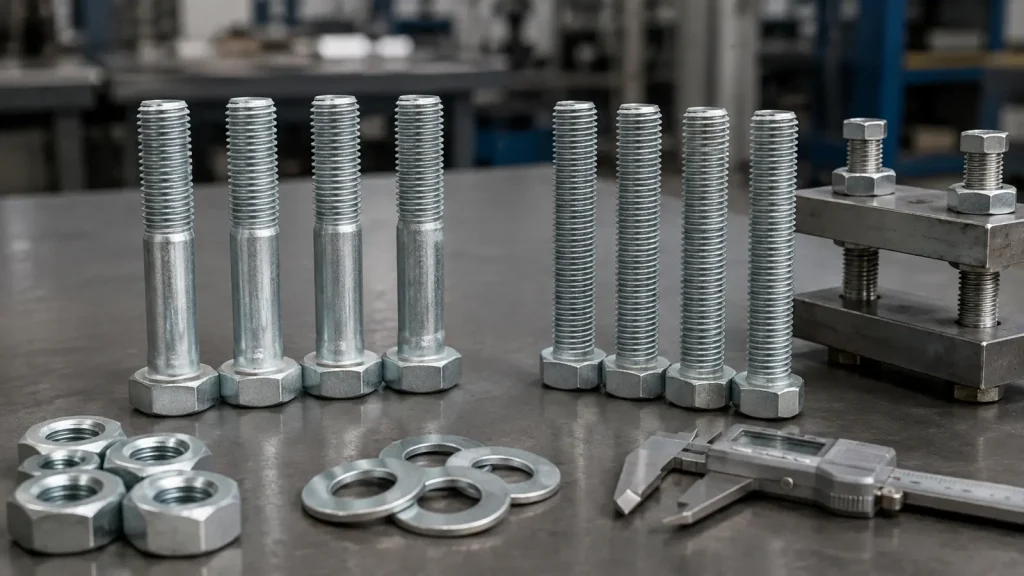
DIN 931 vs DIN 933 Hex Bolts: What Should Buyers Confirm Before Bulk Ordering?

DIN 931 vs DIN 933 Hex Bolts: What Should Buyers Confirm Before Bulk Ordering?

DIN 931-style half-thread and DIN 933-style full-thread hex bolts should not be selected from diameter and overall length alone. The practical choice depends on the joint stack, required grip, location of the thread transition, available nut engagement, mating hardware, material or property requirement, coating system and governing product specification. A half-thread bolt is not automatically […]

The Widespread Application of Hot-Dip Galvanized Bolts in Daily Life

The Widespread Application of Hot-Dip Galvanized Bolts in Daily Life

Hot-dip galvanized bolts are widely used in daily life, especially due to their advantages, which have led to their rapid development in the market and widespread consumer appeal. So what are the specific advantages of hot-dip galvanized bolts in use? Today, Hebei Wotu Fastener Manufacturing Co., Ltd. will discuss this with you. 1. Due to […]

The Widespread Application of Hot-Dip Galvanized Bolts in Daily Life

The Widespread Application of Hot-Dip Galvanized Bolts in Daily Life

Hot-dip galvanized bolts are widely used in daily life, especially due to their advantages, which have led to their rapid development in the market and widespread consumer appeal. So what are the specific advantages of hot-dip galvanized bolts in use? Today, Hebei Wotu Fastener Manufacturing Co., Ltd. will explain. 1. Due to its special surface […]

Applications of Anchor Bolts

Applications of Anchor Bolts

Fixed anchor bolts, also known as short anchor bolts, are cast in with the foundation and used to secure equipment that does not experience strong vibration or impact. 1. Fixed anchor bolts, also known as short anchor bolts, are cast in with the foundation and used to secure equipment that does not experience strong vibration […]

Frequently Asked Questions

Are these suitable for outdoor timber, gates and fencing?

They can be suitable when the diameter, length, neck fit and corrosion protection match the joint and exposure. For outdoor or treated timber, confirm the coating and whether the nuts and washers are compatible with the fastener finish and surrounding materials.

When would a hex bolt be a better choice?

A hex bolt may be preferable when both sides of the joint are accessible and the assembly needs wrench access at the head or when a square neck cannot seat properly. Coach bolts are often more convenient when the visible side should remain rounded and the bolt must resist turning in timber or a suitable square hole.

Does the square section stop the bolt from turning in every material?

No. It needs a correctly sized recess or hole to seat securely. In soft timber, an oversized or poorly formed hole can let the fastener spin during tightening; thin steel brackets and slotted holes also require specific confirmation before ordering.

What information should I provide for a quotation?

State the diameter, overall length, material thickness, application material, finish and required thread arrangement. Also specify whether nuts and washers are needed, the estimated quantity, and any drawing, standard or sample photo that defines the joint.

How should length be measured for the assembly?

Confirm the supplier's measuring convention and measure the required grip through the connected parts, allowing for washers, nut engagement and any unthreaded shank that must pass through the joint. Do not select a length solely because the bolt reaches through the material; thread position can affect seating and tightening.

Leave Your Message

Share the bolt diameter and length, material being fastened, required finish, and whether nuts and washers are needed. If you have a drawing, standard or sample photo, include it with the enquiry.