Hex Key Selection for Fasteners | Hebei Wotu Fastener Manufacturing Co., Ltd.

Selecting the Right Hex Key for Fasteners

A hex key is a simple tool, but the buying decision affects assembly speed, screw head damage and maintenance access. The right choice depends on the socket size, working clearance, torque demand and whether operators need a loose key, an L-key set, a T-handle or a bit for powered driving.

For fastener assemblies, match the hex key to the socket standard and the actual screw or bolt being used. A loose fit rounds the socket; an overlong or awkward handle slows work in tight spaces.

Related Products

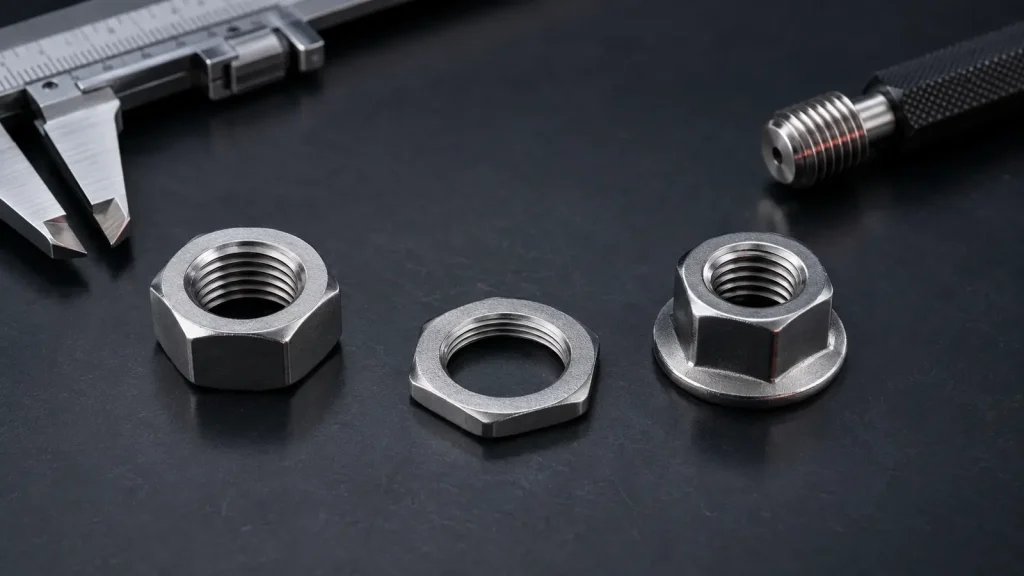
Hex thin nut

Hex thin nut

Brand: Wotu Surface: zinc plated Specifications: in stock M8~M64 full standard specifications, covering precision, machinery, and steel structure full size range, supporting nonstandard tooth pitch and customized thickness Matching: Can be matched with bolts of corresponding specifications, flat washer, spring washer complete set of shipment Packing: packed in 25kg cartons and packed on wooden pallets.

Read More
Hex nut (Chinese national standard GB52-1976)

Hex nut (Chinese national standard GB52-1976)

Brand: Wotu Surface: 304 stainless steel Specifications: in stock M6~M24 full standard metric specifications, supports nonstandard pitch, thickening/customized Matching: Can be matched with bolts of corresponding specifications, flat washer, spring washer complete set of supporting shipment Packaging: 25kg cartons, whole wooden pallets

Read More
Hex flange nut (Chinese national standard GB/T6177.1-2000)

Hex flange nut (Chinese national standard GB/T6177.1-2000)

Brand: Wotu Surface: zinc plated Specifications: in stockM6/M8/M10/M12/M14/M16/M20 Chinese national standardfull range of specifications, support nonstandard thickness, tooth pitch customized Matching: can be matched with bolts of the same specification, flat washer, spring washer complete set of shipment Packaging: 25kg cartons, whole wooden pallets

Read More
Chinese National Standard / German Standard Hex Nut (thick Nuts, Thin Nuts, Flange Nuts, Multiple Categories)

Chinese National Standard / German Standard Hex Nut (thick Nuts, Thin Nuts, Flange Nuts, Multiple Categories)

Brand: Wotu Surface: color zinc plated, blue-white zinc plated, black oxide, hot-dip galvanized, various surface treatments available Specifications: Comply with DIN934, GB/T6170, GB/T6172.1, GB/T6177.1 standards, in stock M6-M64 full range of specifications, support nonstandard customized Packaging: woven bag inside/25kg export carton, full-container wooden pallet wrapped with film, supports private-label, neutral export packaging

Read More
Dacromet Hex Head Self-Drilling Screw

Dacromet Hex Head Self-Drilling Screw

Brand: Hengzuan Surface: Dacromet anti-corrosion coating Specifications: in stock ST5.5/ST6.3 mainstream caliber, rod length 50mm~150mm, extended full range of specifications, supports nonstandard extra long customized, suitable for drilling steel sheet thickness 2~6mm Packaging: 25kg export cartons, full pallets wrapped with film, supports neutral export packaging, private-label customization

Read More
Chinese-standard Color Nylon Head Hex Self-Drilling Screw

Chinese-standard Color Nylon Head Hex Self-Drilling Screw

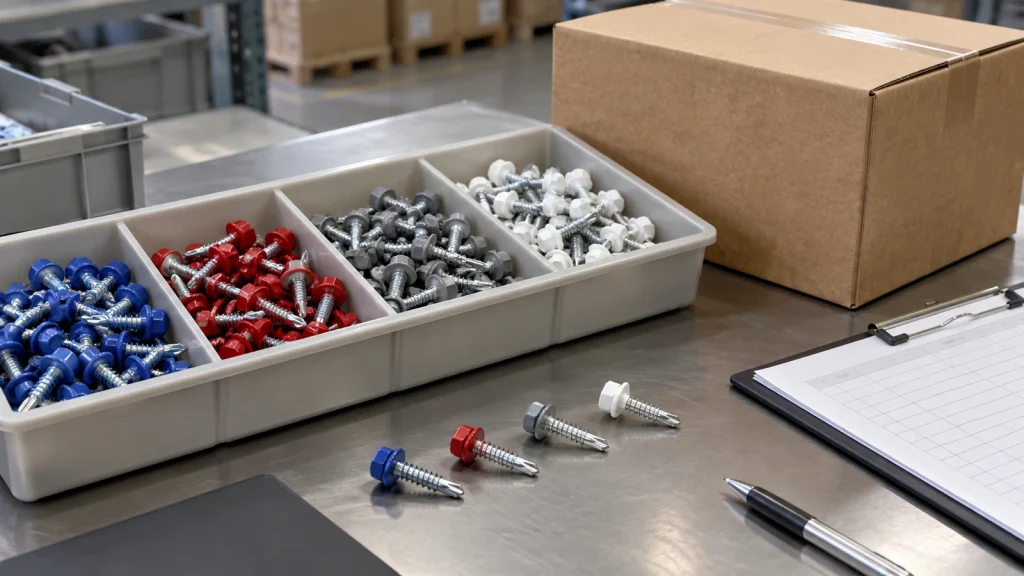
Brand: Hengzuan Surface: screw color zinc plated, head color nylon protective cap, multiple colors available Specifications: Chinese national standard ST5.5, ST6.3 mainstream caliber, rod length 25mm~125mm full range of specifications in stock, supports nonstandard length customization, suitable for drilling steel sheet thickness 2~6mm Packaging: 25kg cartons, full pallets packed on wooden pallets, support neutral packaging, private-label customization

Read More

Selecting the Right Hex Key for Socket Fasteners

Hex Key Selection Criteria

Useful selection criteria for a hex key include metric or inch sizing, key style, straight or ball end, reach, handle type, drive compatibility and the fasteners it will be used with. The best choice is usually the one that fits the socket accurately and allows the operator to tighten the assembly without forcing an angle or overloading the tool.

Criterion What To Check Why It Matters Buyer Tip
Hex size range and unit system Match the key sizes to the socket screws, set screws, or machine screws used in the assembly. Confirm metric, inch, or both. A near-fit key can round the socket or slip under torque, especially on small fasteners or repeated service work. Which socket sizes are used in your current fastener drawings or maintenance kits?
End style: plain, ball end, or tamper-resistant Choose plain ends for full contact, ball ends for angled access, and center-pin holes only if the fastener design requires them. Ball ends improve access but reduce contact area. Tamper-resistant styles are useful only when the matching screw has a center pin. Will the tool drive screws straight on, or does the operator need angled access inside a housing or bracket?
Tool form and handle type Compare L-keys, T-handles, fold-up sets, and bit-style hex keys for the work position and torque needed. Short L-keys fit tight spaces, long arms add leverage, T-handles speed assembly, and bits suit drivers or torque tools. Is the hex key used for occasional maintenance, production assembly, or controlled tightening with a driver?
Material, hardness, and surface finish Ask what steel grade, heat treatment, and coating are available, and whether the finish resists rust in your storage or work environment. A soft key twists or wears quickly, while a brittle one may chip. Surface finish affects corrosion resistance and grip in the socket. Can the supplier confirm the material and heat-treatment standard used for the hex key set?
Packaging and size marking Check whether each key is size-marked and supplied in a holder, pouch, box, or bulk pack. Clear marking reduces picking errors, and suitable packaging keeps small sizes from being lost before installation or service. Do operators need individual marked tools, retail-style sets, or bulk-packed keys for assembly stations?

Key Fit, Access and Assembly Trade-Offs

The main distinction is between hand-use hex keys and hex drive bits. L-shaped keys suit general fitting, repair kits and low-volume assembly because they are portable and reach recessed screws. T-handle keys give better grip and control for repeated manual work. Hex bits suit production tools, but they need the right bit holder, torque setting and access angle.

Material and finish also matter, but they should be considered with the application. A harder tool may resist wear, while a poorly matched key can still damage the fastener socket. For stainless, coated or decorative screws, buyers should pay attention to fit, burrs and surface condition to avoid marking the fastener head.

Start with the fastener socket, not the tool name. Confirm whether the assembly uses metric or inch hex sockets, and check the actual sizes needed across the product. Mixing standards is a common cause of rounded socket heads because a key can feel close while still fitting poorly.

Choose the form by the working space. Short-arm L-keys work in compact areas; long-arm keys reach deeper locations and add leverage. Ball-end keys help with angled access, but they are not the best choice for high-torque tightening because the contact area is smaller than a straight end.

Think about the work pattern. For field service, a compact set may matter more than maximum leverage. For repeated bench assembly, handles, bit systems or organized size sets reduce operator fatigue and picking errors. If the key will be used with coated fasteners, ask about edge finish and consistency so the tool does not scar visible screw heads.

Before ordering, send the fastener type, socket standard, required sizes and use case. If the inquiry relates to screws, bolts or nuts supplied by Hebei Wotu Fastener Manufacturing Co., Ltd., ask which hex key or drive type should be paired with those fasteners and whether any assembly limits should be observed.

Criteria Importance Description Example Options
Socket standard and size match Critical for fit and damage prevention The key must match the actual internal hex socket. Metric and inch sizes should be confirmed rather than judged by feel. A maintenance kit may need several metric sizes, while imported equipment may require inch keys.
Tool form Important for speed, comfort and access L-keys are compact and versatile, T-handles improve hand comfort, and hex bits suit powered or torque-controlled tools. A field technician may prefer an L-key set, while a bench assembly station may use T-handles or drive bits.
Straight end versus ball end Important where access angle changes A straight end gives stronger contact for final tightening. A ball end helps reach angled or obstructed screws but is less suitable for high torque. A recessed screw behind a bracket may be started with a ball end and finally tightened with a straight end.
Reach and leverage Application-dependent Longer arms improve reach and leverage, but they may be awkward in confined spaces. Short arms fit tight areas but offer less turning force. A compact enclosure may need a short-arm key, while a deeper recess may need a long-arm key.
Fastener surface sensitivity Relevant for coated or visible fasteners Poor fit, burrs or rough tool edges can mark decorative, coated or stainless fastener heads. Surface condition matters more where appearance is visible. Visible furniture, machinery covers or color-coated screw heads may need extra attention to tool finish and fit.

Product Selection

Related Options

For a maintenance kit, size coverage and compact storage may be the priority. For factory assembly, repeatable fit, comfortable handling and compatibility with the specified screws often matter more. Share the fastener drawings or socket sizes so the recommended hex key style can be checked against the real assembly conditions.

Blog Articles / Reviews

What Should an RFQ Include When Sourcing Dacromet Hex Head Self-Drilling Screw?

What Should an RFQ Include When Sourcing Dacromet Hex Head Self-Drilling Screw?

When sourcing dacromet hex head self drilling screw, a complete RFQ should define the application, screw configuration, coating requirement, dimensions, and supplier confirmation requirements. Buyers often receive different quotations because suppliers may interpret coating, size, drilling capability, or packaging scope differently. Before preparing a project inquiry, buyers can review the available fastener product categories to […]

Hex Thin Nut vs Standard Hex Nut: Which Fits Space-Limited or Locking Assemblies?

Hex Thin Nut vs Standard Hex Nut: Which Fits Space-Limited or Locking Assemblies?

Direct Answer: Choose a hex thin nut when reduced nut height is genuinely required by the assembly or when the engineering design specifies it as part of a locking arrangement. Choose a standard hex nut when full nut height, normal thread engagement, and the specified load-bearing function are required. Buyers should compare nut height, thread […]

How Should Buyers Select Chinese and German Standard Hex Nuts?

How Should Buyers Select Chinese and German Standard Hex Nuts?

Direct Answer: Select a hex nut by the exact standard number and edition, thread diameter and pitch, nut style, property class, material, finish, mating bolt and acceptance method. “Chinese standard” or “German standard” alone is not a complete specification. Regular, thick, thin and flange nuts can differ in geometry and load behavior, so buyers should […]

Which Hexagonal Wood Screw Specifications Should Buyers Freeze Before Production?

Which Hexagonal Wood Screw Specifications Should Buyers Freeze Before Production?

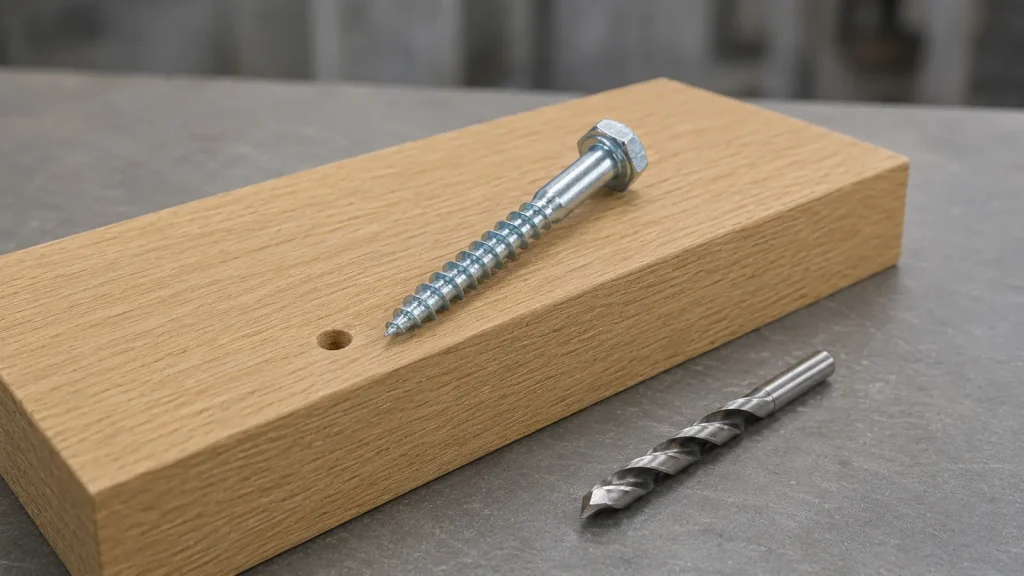
A hexagonal wood screw order should not be released from a gauge number and length alone. Before production, the buyer and supplier need one approved specification that fixes the screw diameter, length basis, thread geometry, point, hex-head dimensions, material, finish, installation method, substrate and acceptance evidence. The pilot hole belongs in the application specification as […]

DIN 931 vs DIN 933 Hex Bolts: What Should Buyers Confirm Before Bulk Ordering?

DIN 931 vs DIN 933 Hex Bolts: What Should Buyers Confirm Before Bulk Ordering?

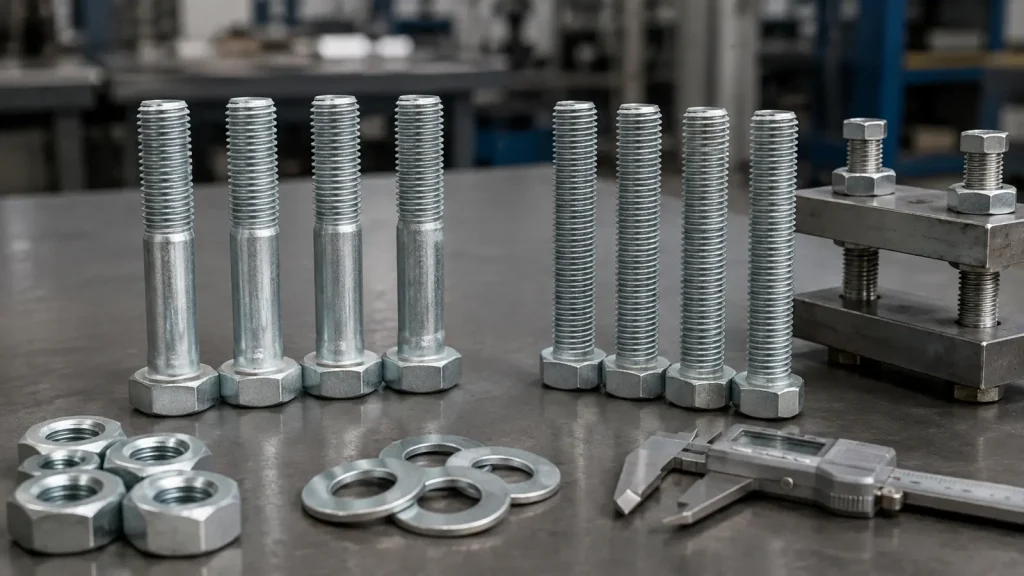
DIN 931-style half-thread and DIN 933-style full-thread hex bolts should not be selected from diameter and overall length alone. The practical choice depends on the joint stack, required grip, location of the thread transition, available nut engagement, mating hardware, material or property requirement, coating system and governing product specification. A half-thread bolt is not automatically […]

What Should Buyers Confirm When Ordering Color Nylon Head Hex Self-Drilling Screws?

What Should Buyers Confirm When Ordering Color Nylon Head Hex Self-Drilling Screws?

When ordering a chinese standard color nylon head hex self drilling screw, the RFQ should define more than a color name. Buyers should confirm the exact color reference, nylon head or cap configuration, base screw diameter and length, steel-sheet condition, metallic screw finish, visible-face requirement, color approval method, batch-consistency check and packaging or SKU separation. […]

Frequently Asked Questions

How do I know which size to order?

Start from the socket in the screw or bolt, not from the outside diameter of the fastener head. Confirm whether the socket is metric or inch size, then check the actual sizes used across the assembly so operators do not substitute a near-fit key that can round the recess.

Should I choose an L-key, T-handle or hex bit?

An L-key is flexible for maintenance, kits and low-volume work. A T-handle is more comfortable for repeated manual tightening, while a hex bit is better for use with a driver or torque-controlled tool, provided access and torque settings are suitable.

Are ball-end hex keys suitable for tightening?

Ball-end keys are useful where the tool must enter the socket at a slight angle. They should not be the first choice for high-torque final tightening because the contact area is smaller than a straight end and can increase the risk of socket damage.

Can one key work for both metric and inch sockets?

Sometimes a size may feel close, but it should not be treated as interchangeable. A loose fit can slip under load and damage both the tool and the fastener socket, especially on small sizes or coated fasteners.

What should I send with an enquiry?

Send the socket standard, required sizes, fastener type, working space and whether the tool is for field service, bench assembly or powered driving. If the key will be paired with screws or bolts from Hebei Wotu Fastener Manufacturing Co., Ltd., ask which drive style matches those fasteners and whether any assembly limits apply.

Leave Your Message

Send the socket standard and sizes, the fastener type, and how the key will be used, such as field repair, bench assembly or powered driving.