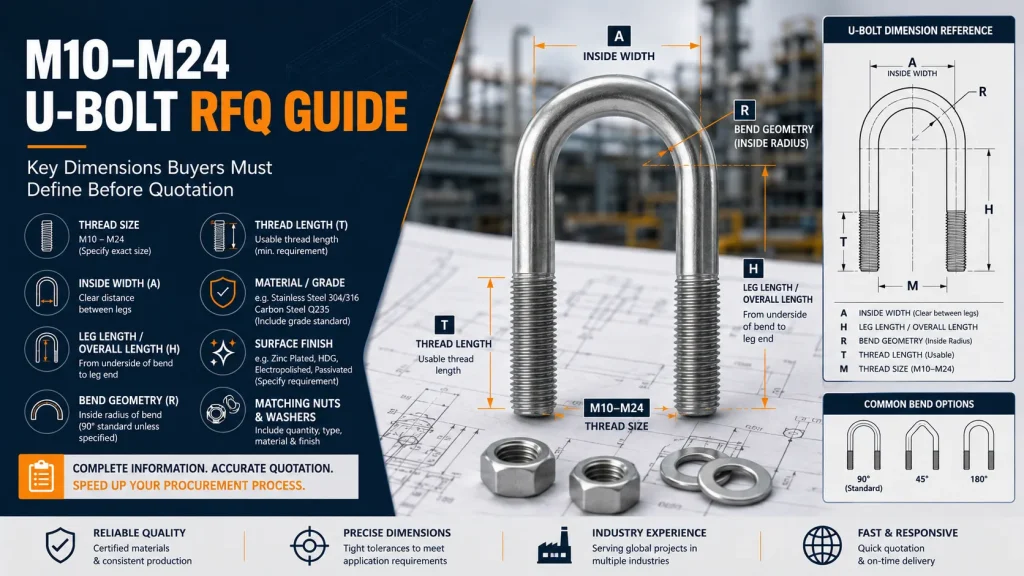
The most important distinction is between a reference drawing and a controlled production drawing. A reference drawing explains the bolt shape and main dimensions, but a controlled drawing defines the exact requirements used for quotation, manufacturing and inspection. If the drawing leaves out thread pitch, tolerance class, coating thickness expectations or strength grade, two suppliers may quote different products while appearing to answer the same request.
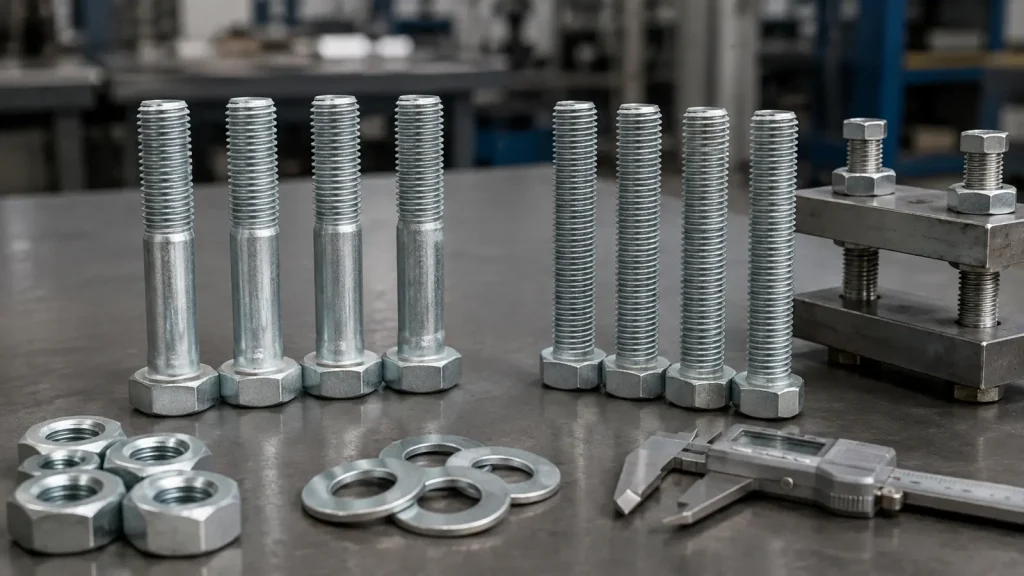
DIN 931 and DIN 933 are a common example. Both are hex bolts, but DIN 931 is generally associated with a partially threaded shank, while DIN 933 is fully threaded. That difference changes grip length, assembly behavior and sometimes cost. Before bulk ordering, confirm the standard, diameter, overall length and required thread length rather than relying on the phrase “hexagonal bolt drawing” alone.
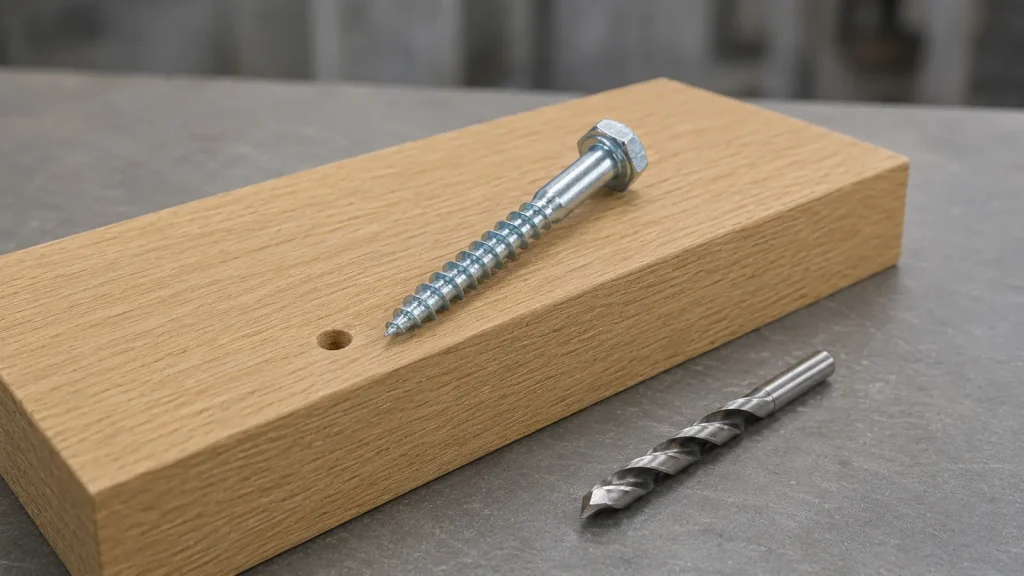
Start with the bolt standard and assembly role. If the bolt is a standard hex bolt, identify the governing standard such as DIN, ISO, ANSI or another project requirement. If the bolt is replacing an existing part, share the old drawing, sample photos and the mating nut or tapped hole details. A drawing for structural steel, machinery assembly or general maintenance may look similar, but the strength grade, coating and thread fit can be very different.
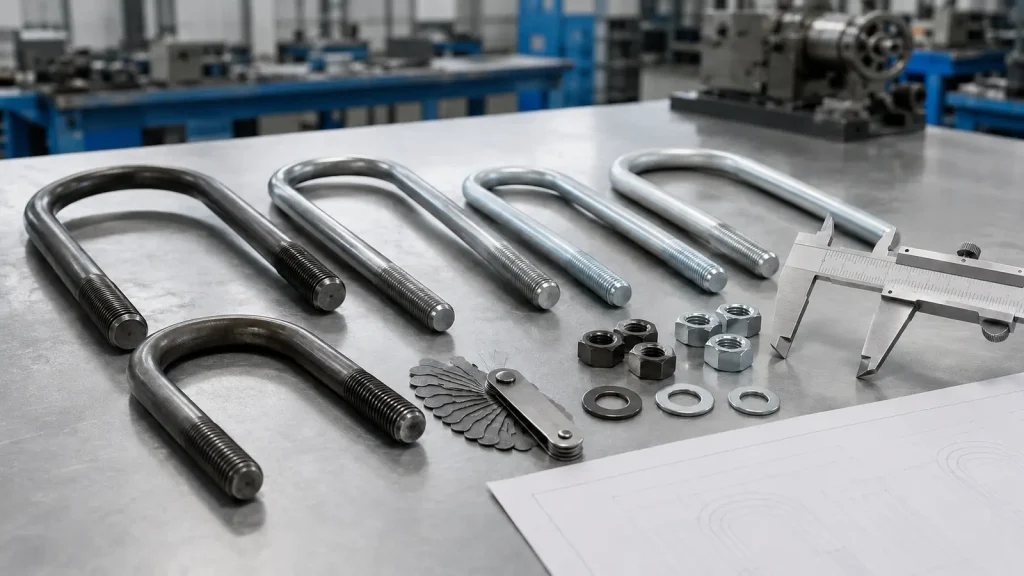
Freeze the dimensions that affect fit. The drawing should state nominal diameter, thread pitch, overall length, thread length, shank length if applicable, head width across flats, head height and under-head bearing details. Buyers often specify only diameter and length, then discover that the delivered bolt does not match the clamp thickness, washer stack or available clearance. For a non-standard bolt, mark which dimensions are critical and which can follow normal manufacturing practice.
Match material, grade and finish to the environment. A plain, zinc-plated, hot-dip galvanized or other finished bolt is not just a cosmetic choice. Coating can affect thread fit, corrosion resistance and assembly with nuts and washers. If the bolt will be exposed outdoors, used near chemicals or installed with coated mating parts, include the finish requirement in the drawing or inquiry rather than adding it after the quotation.
Send a clear next-step package. A useful inquiry includes the drawing file or sketch, standard, size, grade, finish, quantity, intended application and any inspection or packaging expectations. If the drawing is still being developed, ask which details must be confirmed before quotation and which details can follow the selected standard.