No. Two fasteners marked M10 may not be interchangeable. They can differ in thread pitch, standard, length, head style and material, while an M10 nut must match the bolt's thread form and pitch. A mismatch may cause poor engagement, cross-threading or an assembly that cannot be tightened correctly.
For a replacement, compare the existing bolt's full specification and the mating component, not only its outside thread size. For a new assembly, define the joint load, clamped material, available clearance and exposure to moisture or chemicals before choosing the bolt-and-nut combination.
Confirm the thread first. State the required pitch or applicable standard alongside M10, and make sure the bolt and nut use the same system. Do not assume that any M10 nut will fit an M10 bolt. If the fastener replaces an existing part, retain a sample or provide clear thread information for comparison.
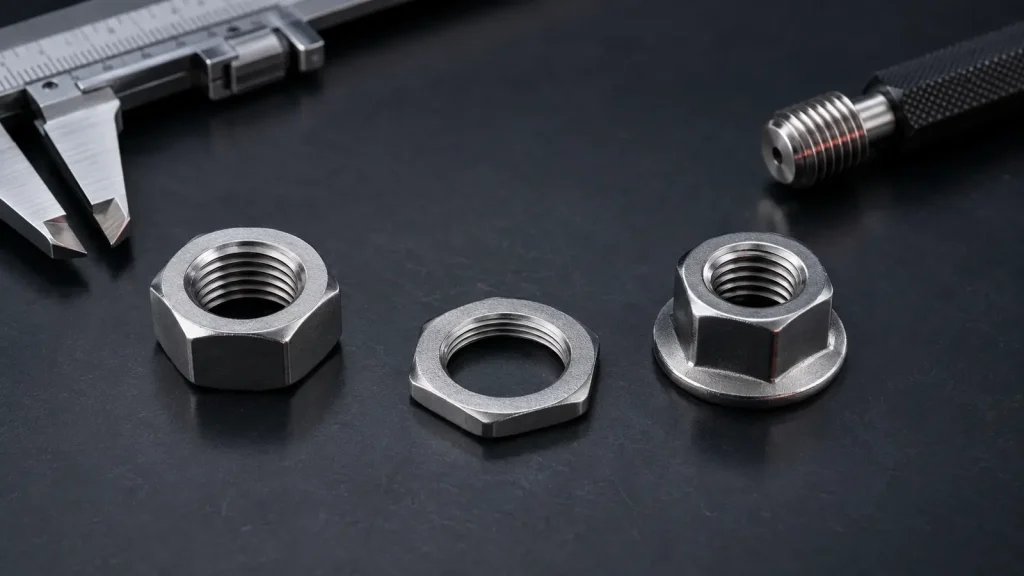
Choose length and form for the joint. The bolt must pass through the clamped parts with suitable thread engagement without creating unnecessary protrusion. Select the head style according to tool access and clearance; consider a flange or washer arrangement where the bearing surface, hole size or joint material requires it. Check whether a standard-height nut fits the available space or whether a different nut form is needed.
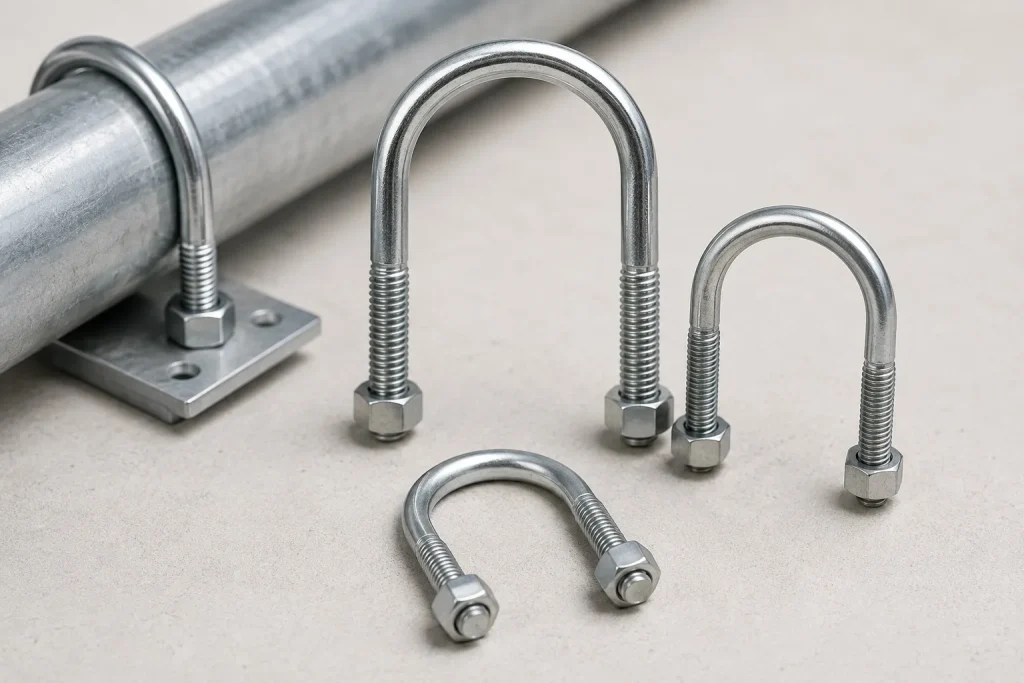
Specify material and surface condition for the environment. Indoor equipment, outdoor assemblies, damp areas and chemically exposed locations can require different material or finish choices. Also check compatibility between the fastener, nut, washer and joined material to reduce corrosion concerns. Ask for the applicable strength class, finish description and inspection documents rather than relying on the M10 label alone.
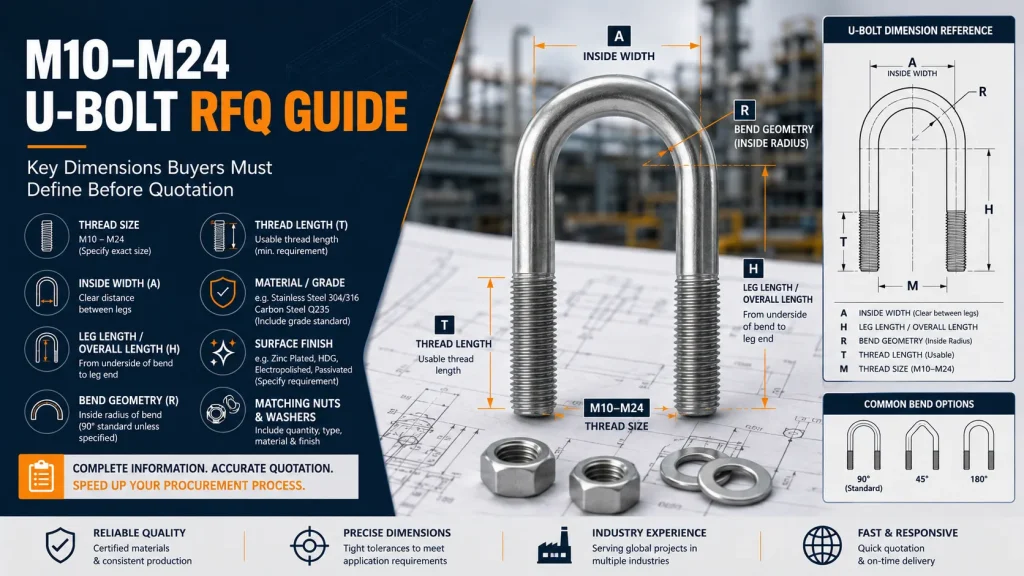
Prevent ordering errors with a complete part description. Send the required quantity, bolt length and head style, thread pitch or standard, nut type, material or grade, finish, application and any drawing or sample. If the joint is safety-critical or subject to a defined installation torque, include that design requirement so the proposed assembly can be reviewed before quotation.