The most useful distinction is between socket head cap screws, button head Allen bolts, flat countersunk socket screws, and set screws. They may all use an internal hex drive, but they do not seat the same way. A socket head gives strong tool engagement and a tall cylindrical head. A button head gives a lower, rounded profile. A countersunk head sits flush only when the mating part has the correct countersink. A set screw has no external head and is used for positioning or locking rather than clamping two parts together.
That difference matters because the head geometry controls clearance, bearing area, appearance, and installation method. If the assembly drawing only says “M6 Allen bolt,” confirm the intended standard or send a drawing before comparing quotations from Hebei Wotu Fastener Manufacturing Co., Ltd.
Start with the mating thread. M6 defines the nominal diameter, but the pitch, thread length, and overall length still need to match the part. For blind tapped holes, allow for usable thread depth and avoid selecting a bolt that bottoms out before clamping. For through holes, confirm the nut type, washer use, and whether full or partial thread is preferred.
Choose the head style around the assembly, not just appearance. Socket head cap screws suit higher clamping applications and deeper hex key engagement, but their taller head needs vertical clearance. Button heads reduce snag points but usually offer less drive depth. Countersunk Allen bolts can look clean and sit flush, but only if the countersink angle and depth in the component are correct.
Material and finish should follow the operating environment. Plain or black-finished alloy steel may be suitable for protected indoor equipment, while zinc plating, stainless steel, or other corrosion-resistant finishes may be needed for humid or exposed conditions. Do not substitute stainless for high-strength alloy steel without checking the load requirement, because corrosion resistance and mechanical strength are separate decisions.
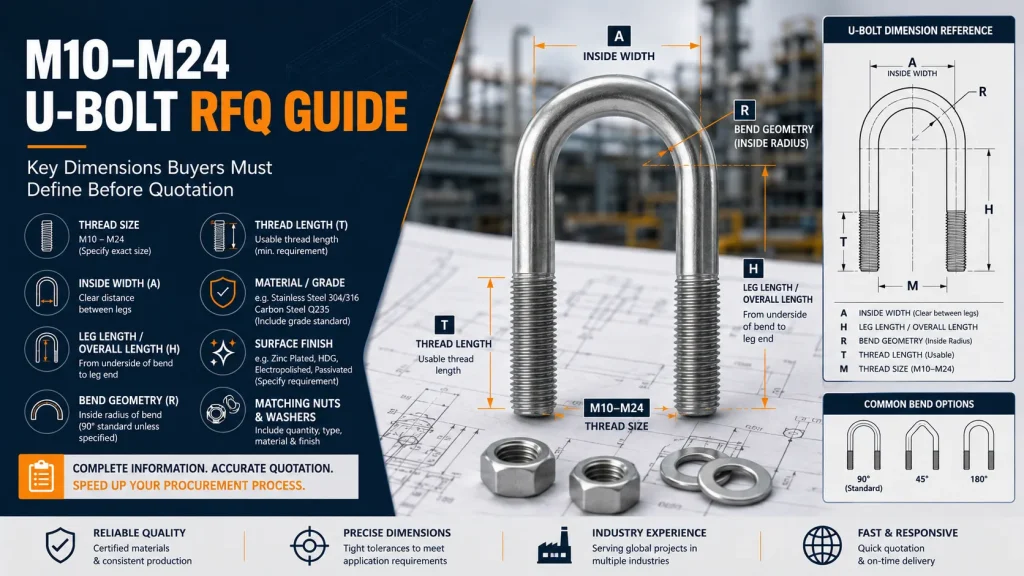
Avoid ordering from a photo alone. Send the bolt standard if known, or provide head type, diameter, pitch, length measured from the correct reference point, material or grade, finish, quantity, and any packaging needs. If the fastener is used in a safety-related assembly, also ask what inspection documents or batch traceability can be provided.