Mechanical Anchor Bolts for Concrete Fixing | Hebei Wotu Fastener Manufacturing Co., Ltd.

Mechanical anchor bolts for concrete and masonry fixing

Mechanical anchor bolts secure fixtures, base plates, equipment supports and other components to cured concrete or masonry without relying on a cast-in anchor. The main decision is selecting an anchor that matches the substrate, load direction, installation conditions and required corrosion resistance.

Expansion-based designs can avoid an adhesive curing step, but they depend on a suitable drilled hole, adequate embedment and controlled installation. A correct nominal diameter alone does not confirm that an anchor will suit the joint.

Related Products

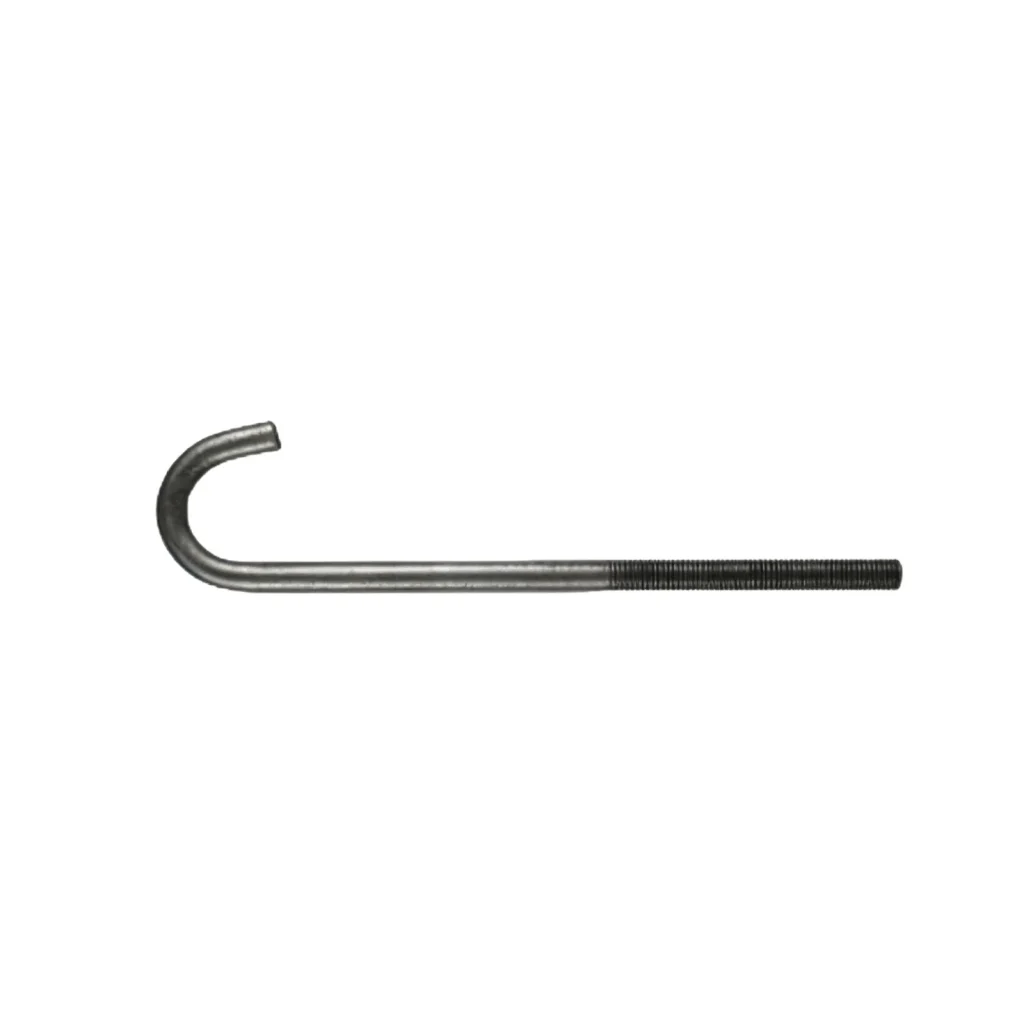
7-letter, 9-letter L-shaped anchor bolt (Chinese national standard GB/T799-1988 embedded anchor screw)

7-letter, 9-letter L-shaped anchor bolt (Chinese national standard GB/T799-1988 embedded anchor screw)

Brand: Wotu Surface: Natural black oxide treatment, customized hot-dip galvanized, zinc plated as required Specifications: Follow Chinese national standard GB/T799-1988, in stock M12-M48, total length 120mm~1500mm, nonstandard customized diameter, bending length, total screw length available Matching: Nuts, flat washers and spring washers of the same specification can be supplied in complete sets. Packaging: Bundling and packaging, using wooden pallets and film-wrapped export packaging in large quantities

Read More
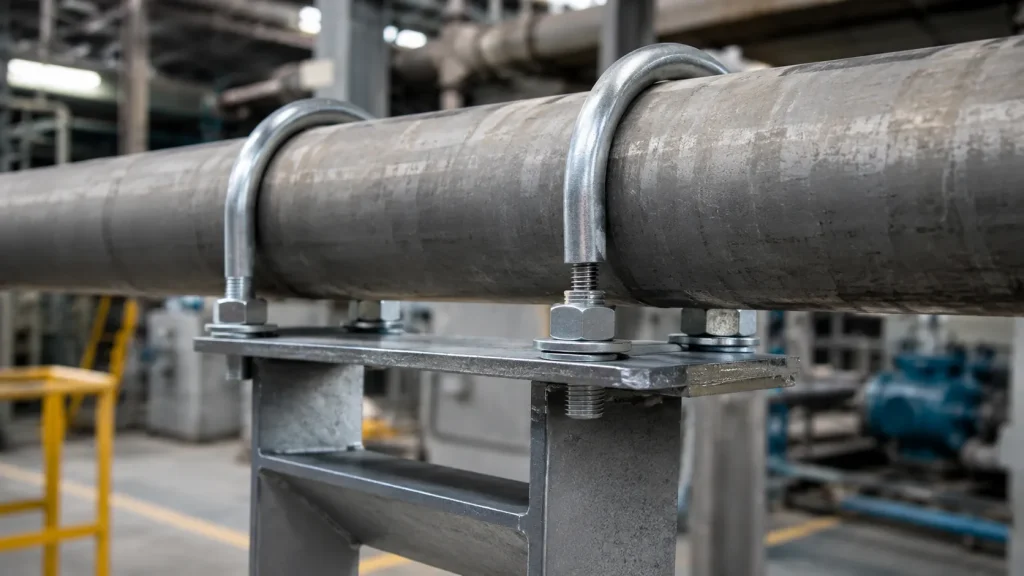
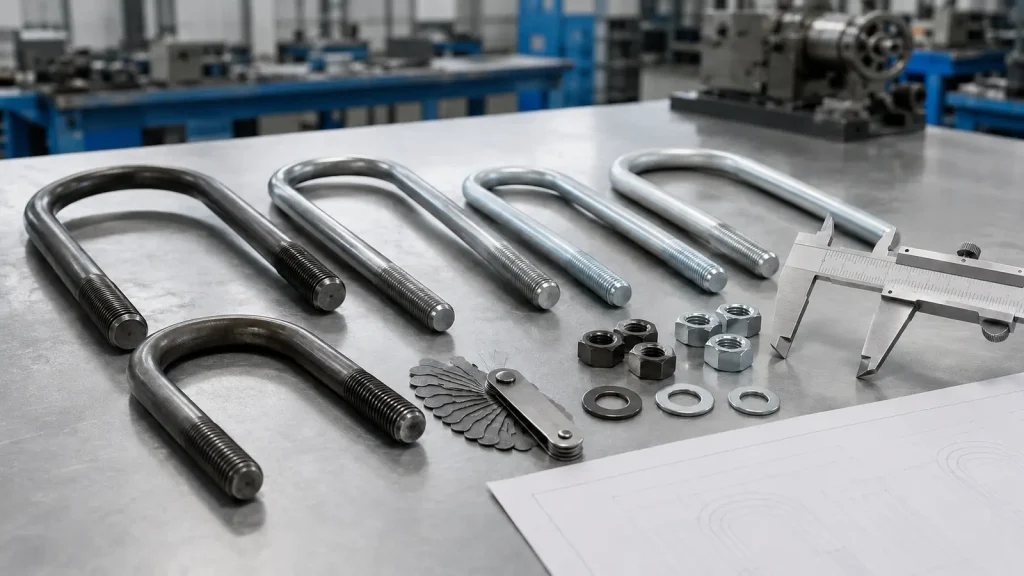
U-bolt ( / U-bolt, M10/M12/M16/M20/M24 multiple specifications)

U-bolt ( / U-bolt, M10/M12/M16/M20/M24 multiple specifications)

Brand: Wotu Surface: natural black oxide / hot-dip galvanized / blue-white zinc plated, multiple processes available Specifications: Based on common industry drawing parameters, suitable for pipe diameter 25mm~139.7mm, screw diameter M10~M24, total length can be nonstandard customized Matching: can be matched with nut, flat washer and spring washer of the same specifications for complete shipment Packaging: Bundling and packaging + 25kg export carton, full-container wooden pallet wrapped with film, supports private-label export packaging

Read More
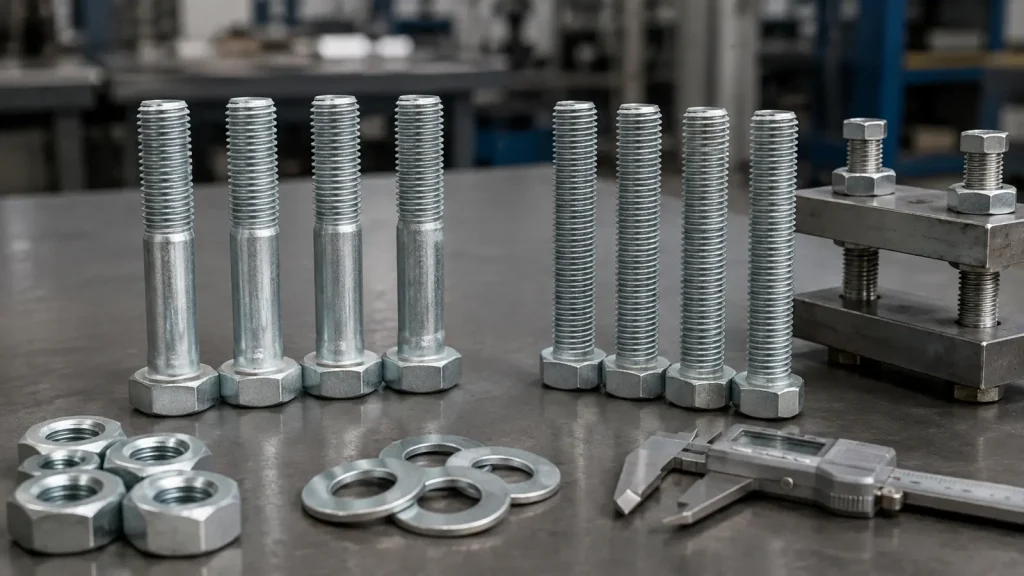
Hot-Dip Galvanized Hex Head Bolt (DIN931 Half Thread / DIN933 Full Thread / GB30 Chinese National Standard Bolt, Can Be Equipped With Nut And Washer Set)

Hot-Dip Galvanized Hex Head Bolt (DIN931 Half Thread / DIN933 Full Thread / GB30 Chinese National Standard Bolt, Can Be Equipped With Nut And Washer Set)

Brand: Wotu Surface: overall hot-dip zinc plating treatment Specifications: Comply with DIN and GB standards, in stock M6-M48 full range of specifications, length 20mm-300mm, supports nonstandard customized. Packaging: woven bag inside / 25kg export carton, film-wrapped wooden pallet; supports neutral packaging and customer private-label customization.

Read More
Hex thin nut

Hex thin nut

Brand: Wotu Surface: zinc plated Specifications: in stock M8~M64 full standard specifications, covering precision, machinery, and steel structure full size range, supporting nonstandard tooth pitch and customized thickness Matching: Can be matched with bolts of corresponding specifications, flat washer, spring washer complete set of shipment Packing: packed in 25kg cartons and packed on wooden pallets.

Read More
Hex nut (Chinese national standard GB52-1976)

Hex nut (Chinese national standard GB52-1976)

Brand: Wotu Surface: 304 stainless steel Specifications: in stock M6~M24 full standard metric specifications, supports nonstandard pitch, thickening/customized Matching: Can be matched with bolts of corresponding specifications, flat washer, spring washer complete set of supporting shipment Packaging: 25kg cartons, whole wooden pallets

Read More
Hex flange nut (Chinese national standard GB/T6177.1-2000)

Hex flange nut (Chinese national standard GB/T6177.1-2000)

Brand: Wotu Surface: zinc plated Specifications: in stockM6/M8/M10/M12/M14/M16/M20 Chinese national standardfull range of specifications, support nonstandard thickness, tooth pitch customized Matching: can be matched with bolts of the same specification, flat washer, spring washer complete set of shipment Packaging: 25kg cartons, whole wooden pallets

Read More

Compare anchors for concrete, masonry and fixing conditions

Mechanical anchor selection

Compare mechanical anchors by substrate suitability, load direction, expansion method, thread and length, required embedment, fixture thickness, corrosion protection and installation requirements. Product documentation should also clarify the permitted base material, hole preparation, tightening method and any limitations around cracks, edges, spacing or vibration.

Criterion What To Check Why It Matters Buyer Tip
Anchor type for the base material Confirm whether the fixing is for cracked concrete, non-cracked concrete, dense stone, or another substrate, and match the mechanical anchor style to that base material. Expansion, wedge, sleeve, and similar mechanical anchors transfer load in different ways. The wrong style can reduce holding performance or damage the hole. What base material and condition will the mechanical anchor bolt be installed into?
Diameter, embedment depth, and hole details Compare the required bolt diameter, drilled hole diameter, minimum embedment, and fixture thickness before ordering. Small differences in hole size or embedment can stop the anchor from seating correctly and may lead to site rework. Can you provide the drawing or installation note showing anchor diameter, hole diameter, embedment depth, and fixture thickness?
Load direction and service condition Separate tension loads, shear loads, combined loads, vibration, and outdoor exposure when discussing the anchor requirement. A mechanical anchor bolt used for static indoor mounting may not be suitable for vibrating equipment, edge fixing, or exposed outdoor structures. Will the anchor mainly resist pull-out, sideways load, vibration, or a combination of loads?
Thread, nut, washer, and projection length Verify thread standard, usable thread length, nut and washer requirements, and how much thread must remain above the fixture after tightening. Even if the anchor body fits the hole, the assembly can fail the installation check if the projection or thread engagement is wrong. How much exposed thread is needed after the fixture, washer, and nut are installed?
Surface finish and corrosion environment Confirm whether the anchor will be used indoors, outdoors, in a damp area, or near chemicals, then choose a finish or material accordingly. Corrosion can reduce service life and make future inspection or removal difficult, especially where moisture reaches the drilled hole. What environment will the mechanical anchor bolt work in, and is any coating or material grade already specified?

Select the right mechanical anchor for the joint

The practical distinction is between expansion anchors and other anchoring methods. A mechanical anchor develops holding force through expansion or engagement with the hole, while a chemical anchor transfers load through cured resin and the bonded hole surface. Mechanical anchors can be useful for repeatable fastening after concrete has cured, but they may require more attention to edge distance, spacing and installation torque.

For cracked concrete, masonry, vibration, overhead fixing or significant tension loads, confirm that the specific anchor has suitable design data for the substrate and loading condition. Do not substitute a general-purpose anchor for an engineered fixing without checking the application requirements.

Start with the base material and the load. Identify whether the fixing enters sound or cracked concrete, hollow or solid masonry, and whether the joint carries tension, shear, or a combination of both. The fixture thickness, hole location, edge distance, anchor spacing and available embedment can eliminate an otherwise suitable size.

Choose the anchor style around the installation and maintenance needs. Wedge, sleeve and other mechanical expansion designs differ in how they engage the hole and how much installation control they need. Check the required hole diameter and depth, hole cleaning method, tightening procedure, fixture clearance and the need for future removal. A common mistake is ordering by thread size while overlooking fixture thickness or the required embedment.

Match the material and finish to the service environment. Dry indoor use, exterior exposure, wash-down areas and coastal or chemically aggressive locations may call for different corrosion-resistant materials or coatings. Also check compatibility between the anchor, nut, washer, fixture and the surrounding material rather than treating plating as a complete corrosion specification.

For an enquiry to Hebei Wotu Fastener Manufacturing Co., Ltd., send the substrate type, anchor diameter and length or embedment requirement, load direction, fixture thickness, service environment and estimated quantity. A drawing or clear installation photo can resolve uncertainties about edge distance and hole access. Ask which product data, installation instructions and inspection information can be provided for the proposed anchor.

Criteria Importance Description Example Options
Base material Critical to anchor selection Mechanical anchors behave differently in sound concrete, cracked concrete, solid masonry and hollow masonry. The wrong substrate assumption can make the anchor unsuitable even if the diameter appears correct. A fixing into solid cured concrete may need a different anchor style from a fixing into hollow block.
Load direction and joint duty High importance for safety and durability Tension, shear, combined loading, vibration and overhead installation place different demands on the anchor. Product data should match the actual load case rather than a generic fastening need. An equipment base plate with vibration should be reviewed differently from a light bracket carrying mainly shear.
Embedment and fixture thickness Often decides whether the selected size will fit Total anchor length is not the same as effective embedment. The fixture thickness, washer and nut arrangement, required thread projection and drilled hole depth all affect the final selection. Two anchors with the same thread diameter may not both work if one fixture plate is much thicker.
Installation control Important for repeatable performance Hole diameter, drilling depth, cleaning, insertion depth and tightening method all influence how a mechanical anchor expands or engages. Poor hole preparation can reduce reliability. An anchor that needs controlled tightening should not be treated as a simple bolt replacement.
Material and corrosion protection Important for service life Indoor dry use, outdoor exposure, wash-down areas and aggressive environments may require different materials or finishes. The coating should be considered with the nut, washer, fixture and surrounding material. A dry warehouse bracket and an exterior support exposed to rain may need different corrosion protection choices.

Product Selection

Related Options

For a base plate or equipment support fixed to cured concrete, the first priority is a verified match between the anchor's expansion behavior and the concrete condition, followed by sufficient embedment and corrosion resistance. Review individual product options against the actual joint rather than choosing only by diameter or apparent load capacity.

Blog Articles / Reviews

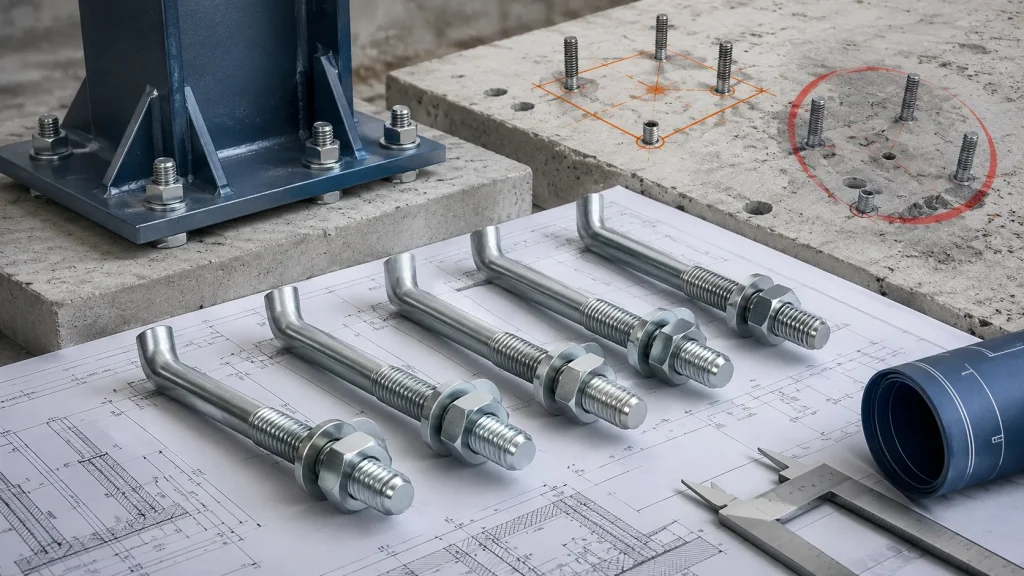
Anchor Bolts: 7 Ordering Errors That Cause Site Rework

Anchor Bolts: 7 Ordering Errors That Cause Site Rework

ost anchor bolt ordering errors come from incomplete drawings, unclear dimensions, unsuitable material or coating choices, undefined tolerances, and mismatched nuts or washers. These mistakes affect steel fabricators, EPC contractors, equipment installers, importers, and distributors because anchor bolts are usually embedded before the connected structure arrives on site. Once concrete has cured, even a small […]

Applications of Anchor Bolts

Applications of Anchor Bolts

Fixed anchor bolts, also known as short anchor bolts, are cast in with the foundation and used to secure equipment that does not experience strong vibration or impact. 1. Fixed anchor bolts, also known as short anchor bolts, are cast in with the foundation and used to secure equipment that does not experience strong vibration […]

Why Do U Bolts Loosen in Pipe Supports? 6 Causes and Prevention Methods

Why Do U Bolts Loosen in Pipe Supports? 6 Causes and Prevention Methods

U bolts usually loosen in pipe supports because the connection loses clamping force, receives continuous vibration, restricts thermal pipe movement, uses an incorrectly sized U bolt, experiences surface settlement, or suffers from corrosion and inadequate inspection. This issue affects EPC contractors, pipe installers, industrial maintenance teams, equipment manufacturers and fastener distributors working with water, oil […]

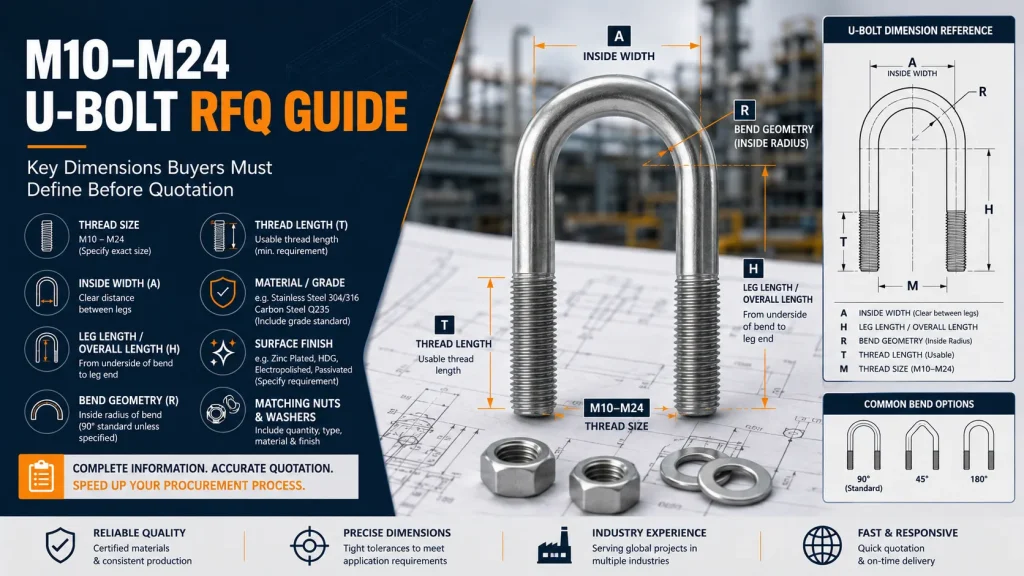
Which M10–M24 U-Bolt Measurements Must Buyers Send Before an RFQ?

Which M10–M24 U-Bolt Measurements Must Buyers Send Before an RFQ?

Direct Answer: For an M10–M24 U-bolt RFQ, buyers should send a dimensioned drawing that defines thread diameter, inside width, leg or overall length, bend geometry, thread length, application diameter, material or grade requirement, surface finish, matching nuts/washers, quantity, and packing needs. Nominal thread size alone is not enough because different measurement datums can produce U-bolts […]

What Should Buyers Verify When Comparing Bolt Manufacturers?

What Should Buyers Verify When Comparing Bolt Manufacturers?

A bolt manufacturer should be evaluated against a defined joint, drawing and acceptance plan—not a product list or unit price alone. Buyers need to verify whether the supplier can manufacture the required geometry, control material and heat-treatment requirements where applicable, manage threads and coatings as one dimensional system, inspect critical characteristics, preserve batch traceability and […]

DIN 931 vs DIN 933 Hex Bolts: What Should Buyers Confirm Before Bulk Ordering?

DIN 931 vs DIN 933 Hex Bolts: What Should Buyers Confirm Before Bulk Ordering?

DIN 931-style half-thread and DIN 933-style full-thread hex bolts should not be selected from diameter and overall length alone. The practical choice depends on the joint stack, required grip, location of the thread transition, available nut engagement, mating hardware, material or property requirement, coating system and governing product specification. A half-thread bolt is not automatically […]

Frequently Asked Questions

Can a mechanical anchor be used instead of a chemical anchor?

Often yes, if the base material, load, edge distance and installation conditions suit an expansion or engagement-type anchor. A chemical anchor may be preferred where expansion stress is a concern, where the hole condition needs bonded load transfer, or where the design specifically calls for resin anchoring.

What is the most common ordering mistake for these anchors?

Buyers often specify only the thread size and total length. The usable embedment, fixture thickness, hole diameter, required projection, nut and washer arrangement, and installation depth all affect whether the anchor will fit and perform as intended.

Are all concrete anchors suitable for cracked concrete?

No. A general concrete anchor should not be assumed suitable for cracked concrete, vibration, overhead installation or high tension loading. Ask for the relevant product data and installation limits for the exact anchor being considered.

How should I choose between wedge and sleeve-style anchors?

Wedge anchors are commonly considered for solid concrete where a controlled expansion fixing is needed. Sleeve-style anchors may be considered where the fixture or substrate condition calls for a different expansion pattern, but the correct choice still depends on base material, hole quality, load direction and edge distance.

What information should I send before requesting a quote?

Send the substrate type, anchor diameter and length or required embedment, fixture thickness, load direction, service environment and quantity. If the anchor is close to an edge, used in a base plate, or installed in an existing structure, include a drawing or photo showing hole spacing and access.

Leave Your Message

Please share the substrate type, required anchor size or embedment, and the fixture load or application. Include the service environment and quantity if known.