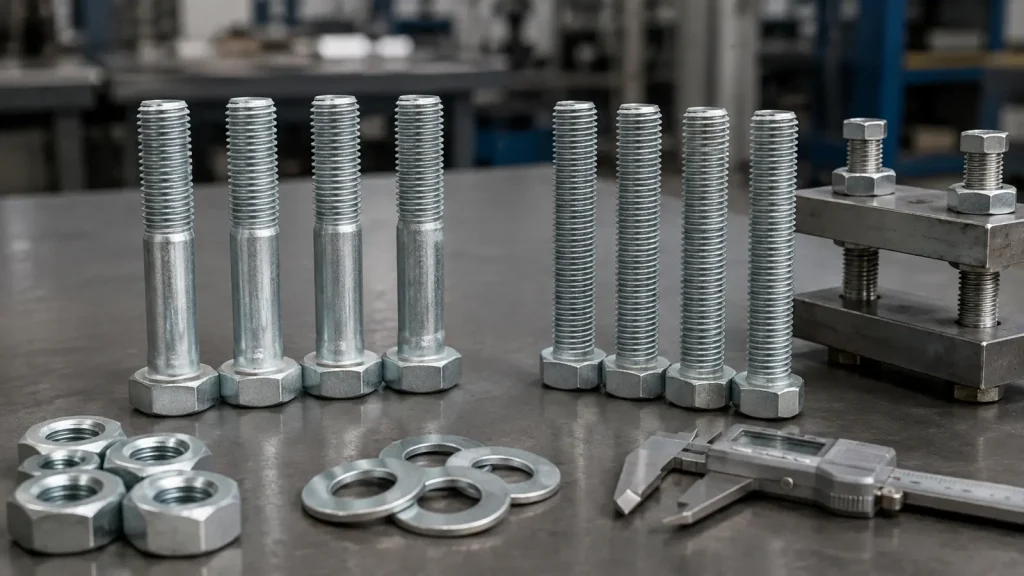
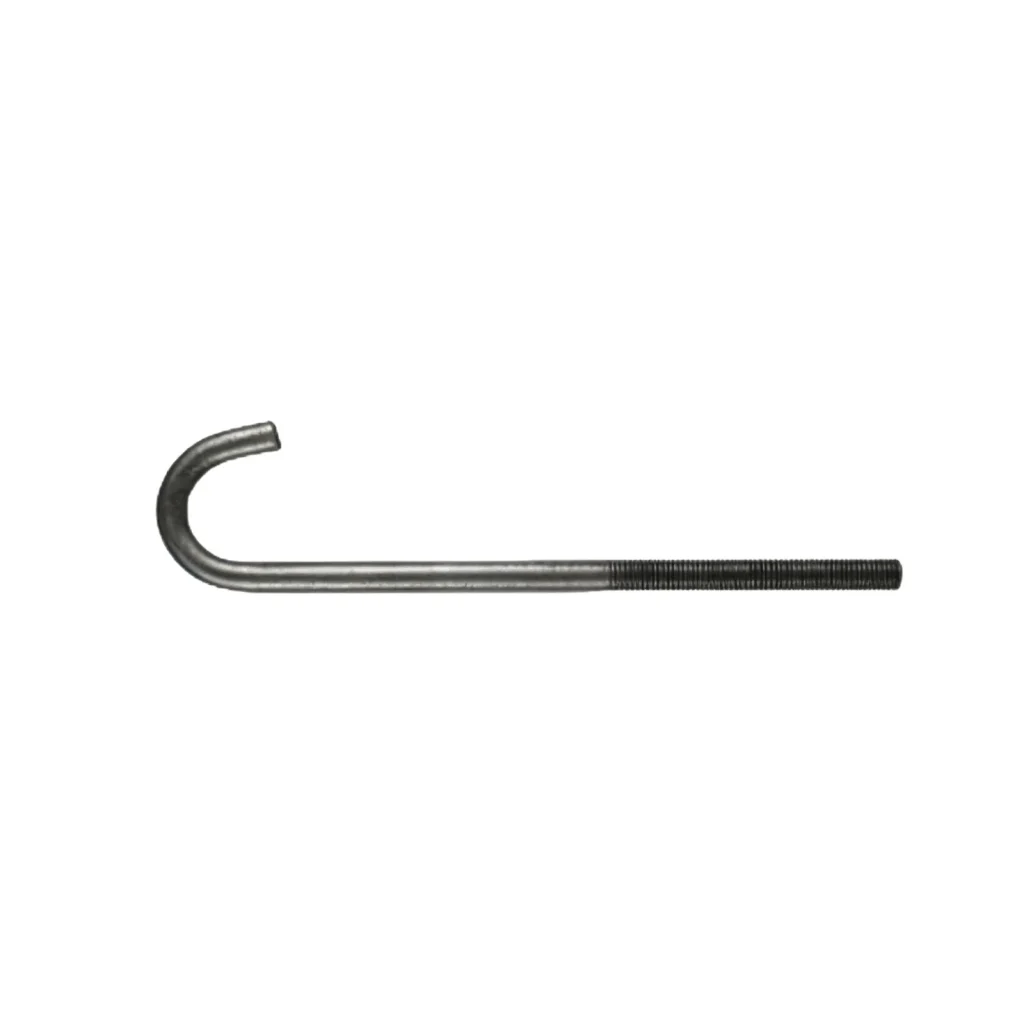
The practical difference between a structural bolt assembly and a general-purpose hex bolt is the connection requirement it is intended to meet. Structural applications may depend on controlled tightening, slip resistance, tensile or shear performance, and compatibility between the bolt, nut, and washer.
This matters because a bolt with a similar head shape or matching diameter may still have the wrong strength class, thread length, coating, or installation requirements. Follow the project drawing or engineering specification rather than replacing a specified assembly with a visually similar fastener.
Start with the connection specification. Provide the applicable project or design standard, required grade or property class, diameter, length, thread arrangement, and whether the joint is bearing-type or slip-critical. If the specification is not settled, ask the engineer or fabricator to confirm it before ordering.
Order the complete assembly. Confirm whether the requirement includes matching nuts and washers, and check that their material, strength, dimensions, and finish are compatible with the bolt. Mixing components from different requirements can affect installation and joint performance.
Match the finish to the environment. Plain, zinc-coated, and hot-dip galvanized options serve different corrosion-control needs and may affect fit, friction, storage, and installation. Do not select a coating only for appearance; confirm the project environment and any restrictions on the specified tightening method.
Prevent avoidable rework. Check the required grip length, hole arrangement, access for tools, packaging identification, and quantity by size before production or shipment. For an enquiry to Hebei Wotu Fastener Manufacturing Co., Ltd., send the drawing or schedule together with the application, required standard or grade, and bolt dimensions so the proposed assembly can be reviewed against the actual joint.