| Thread standard and pitch |
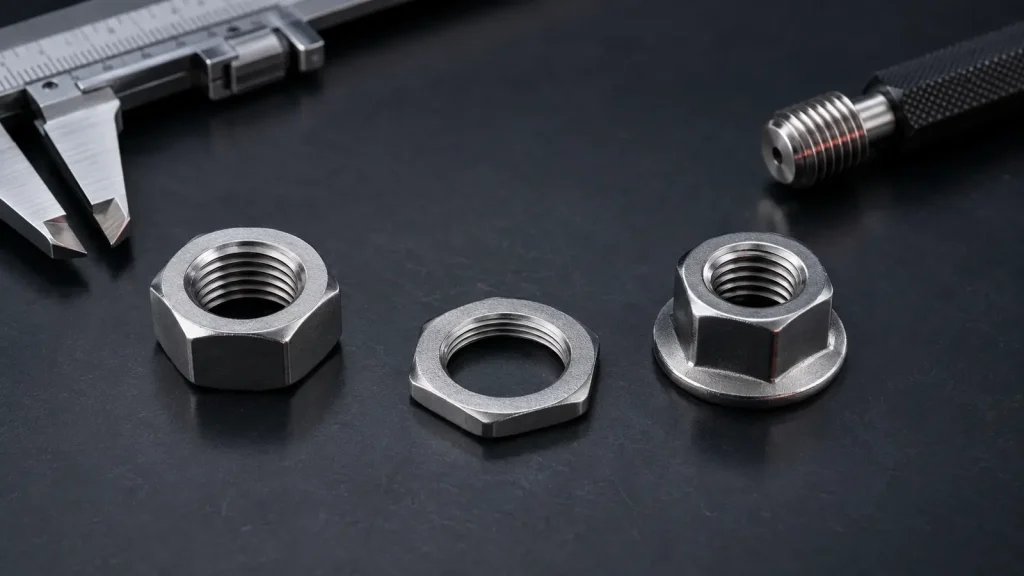
Match the nut and bolt thread system, diameter, and pitch to the assembly drawing or existing hardware. |
A similar-looking nut can bind, strip threads, or fail to tighten if the thread form or pitch differs. |
Ask: Which thread standard and pitch will be identified on the quotation, packing labels, and inspection documents? |
| Bolt length, nut engagement, and head style |
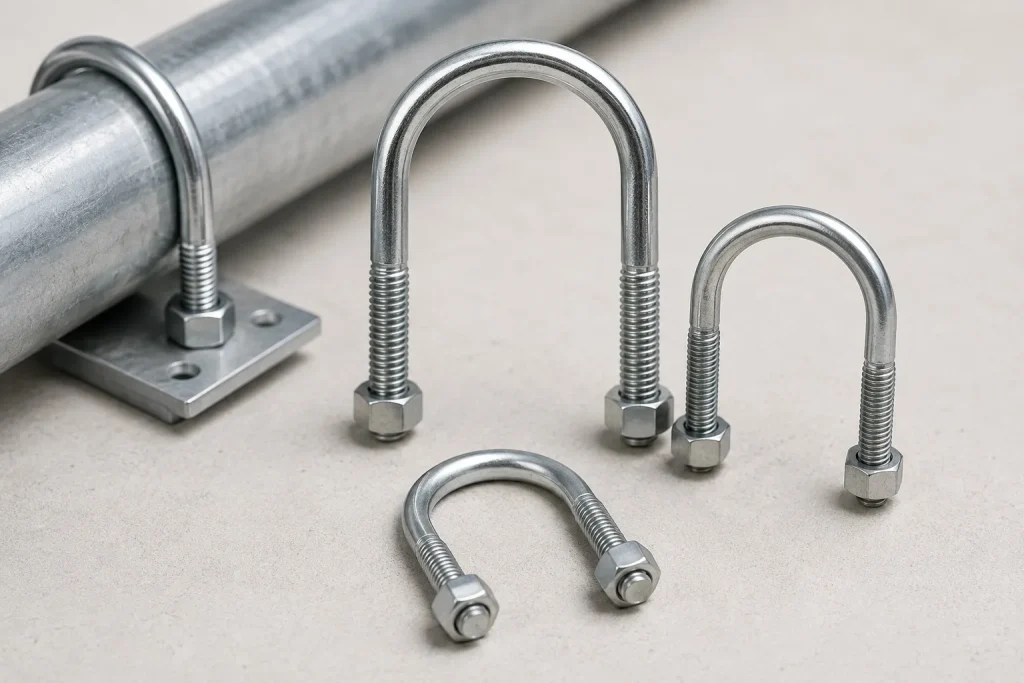
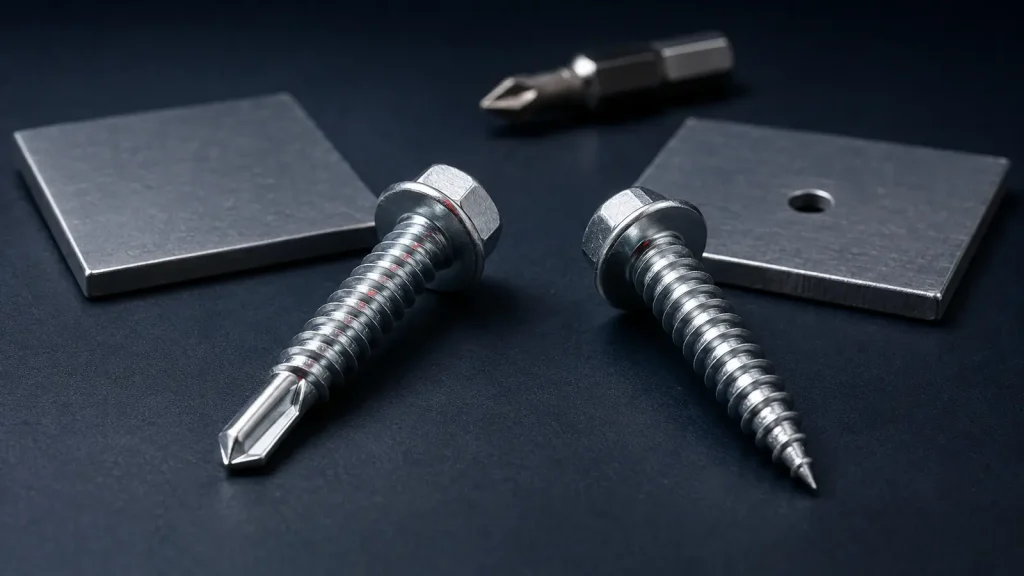
Compare bolt length, threaded length, head type, and nut height with the joint design and available clearance. |
Too little thread engagement can weaken the joint, while excess length or a large head can obstruct installation. |
Provide the joint thickness, washer arrangement, required thread projection, and tool-clearance limits with your enquiry. |
| Material, property class, and matching components |
Verify the specified material or property class for both nuts and bolts, including any required markings or documentation. |
The nut must be suitable for the bolt and the applied load; mixing incompatible grades can reduce assembly reliability. |
Ask how the bolt and nut grades are matched and what batch documents or identification marks accompany wholesale lots. |
| Surface finish and service environment |
State whether the fasteners will face indoor use, moisture, chemicals, outdoor exposure, or elevated temperatures, then compare suitable finishes. |
Corrosion protection affects service life, thread condition, and whether the nut can be removed later. |
Ask which finish options are available for the stated environment and whether the finish applies consistently to both nuts and bolts. |
| Lot consistency and wholesale packing |
Confirm how each size, thread type, grade, and finish is separated, labelled, counted, and checked within a shipment. |
Mixed sizes or inconsistent batches create receiving delays, line stoppages, and installation errors. |
Request a sample packing list and ask how different specifications are identified and traced by lot. |