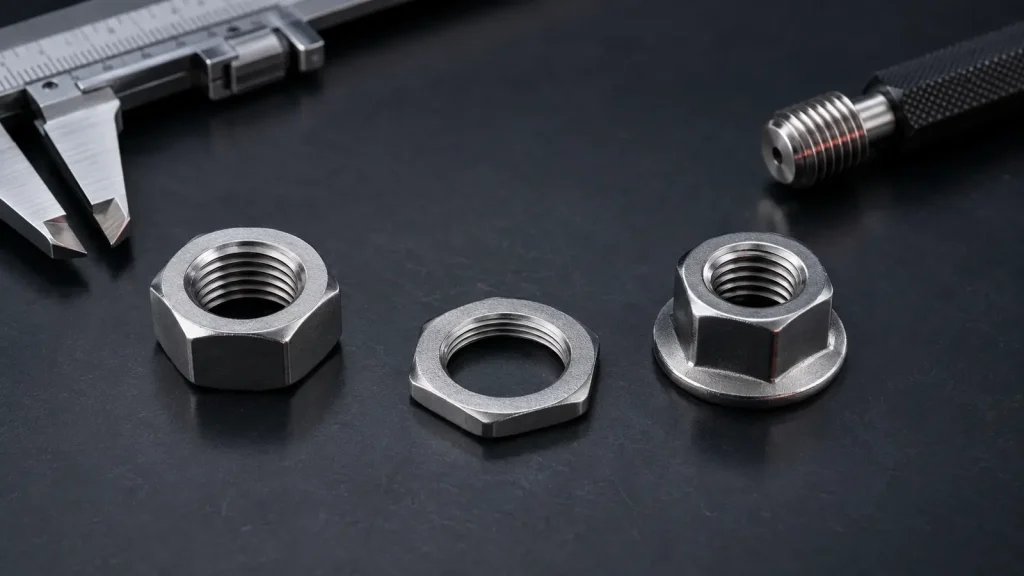
The practical difference is that a bolt usually has an external thread and a head, while a nut has an internal thread and no shank. A bolt provides the body that carries the joint through aligned holes; the nut provides the mating thread that lets the assembly clamp parts together.
This matters because the wrong pairing can reduce thread engagement, make tightening inaccurate, or leave too little clearance for installation. A nut must match the bolt’s thread standard, diameter, pitch, grade or property class, finish and intended locking method. A visually similar nut may still be wrong if the thread form or strength class does not match the bolt.
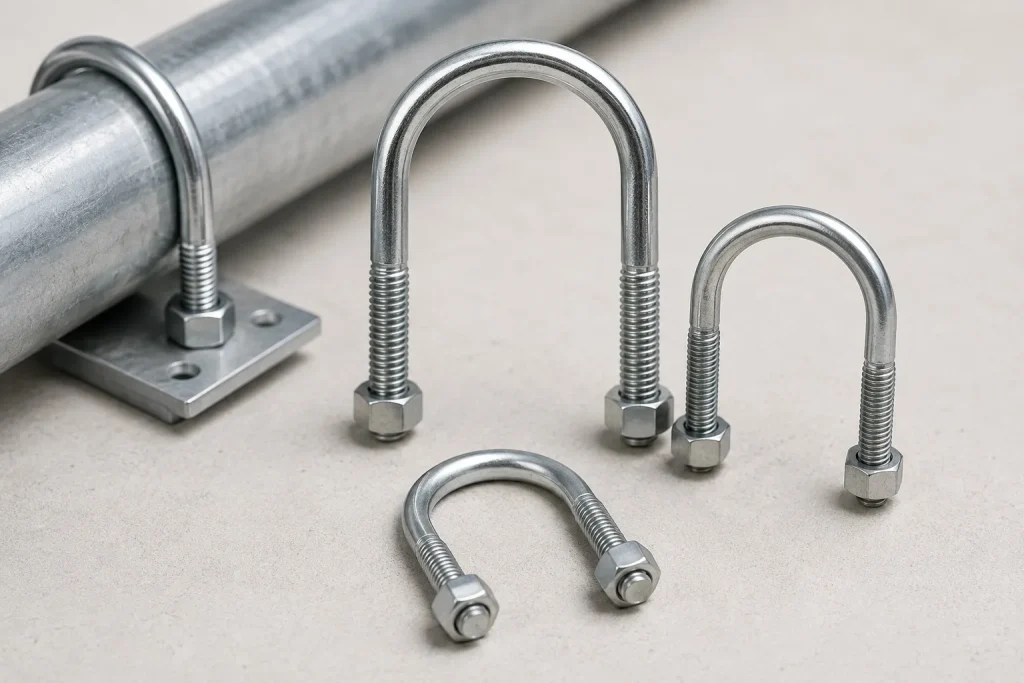
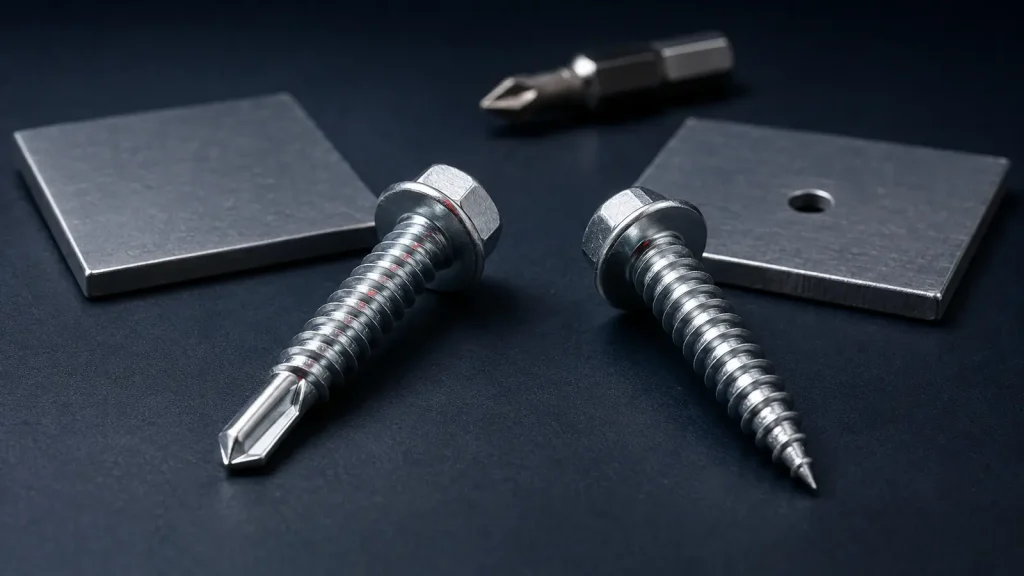
Start with the joint layout. If both sides of the assembly are accessible, a bolt and nut set is often easier to inspect and replace. If only one side is accessible, a bolt into a tapped hole, weld nut, insert or anchor may be more practical. For pipe supports, machinery bases and structural connections, access for tightening can be just as important as the fastener size.
Match the thread before considering finish or price. Confirm the diameter, pitch, thread standard and right-hand or left-hand direction if relevant. Metric and inch fasteners can look close at a glance, but they should not be mixed. Also check whether the design calls for coarse or fine thread; fine thread can offer adjustment advantages, while coarse thread is often more tolerant of site handling and assembly contamination.
Choose compatible strength and surface treatment. A high-strength bolt paired with a weaker nut can shift the failure point to the nut threads. Coating thickness can also affect fit, especially with hot-dip galvanized or other heavier finishes, so the nut and bolt should be specified as a matched system rather than bought separately from vague descriptions.
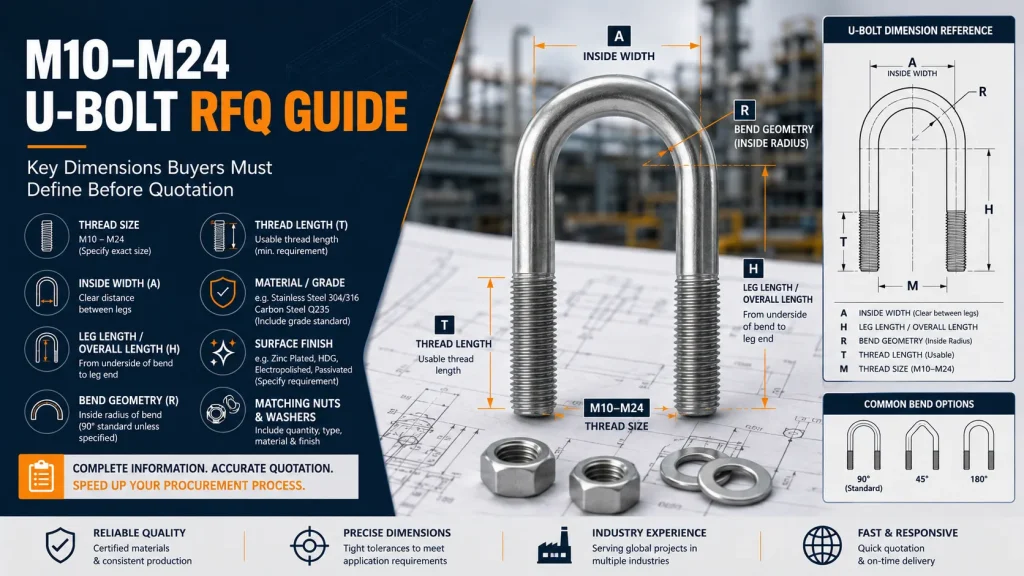
A common mistake is ordering only by head style or nominal size. Before sending an inquiry, gather the assembly drawing or photo, fastener standard if known, size, thread pitch, material or strength class, finish, quantity, and the working environment. If loosening is a concern, ask which locking approach fits the joint: prevailing torque nut, jam nut, washer system, threadlocker or a design change.