Nut and Bolt Picture Guide | Hebei Wotu Fastener Manufacturing Co., Ltd.

Nut and Bolt Picture Identification Guide

A nut and bolt picture is useful for initial identification, but it is not enough to place a reliable order. The important decision is to match the visible fastener with its thread type, diameter, length, head style, nut profile and surface finish.

For maintenance, fabrication or replacement work, compare the pictured part with the original assembly and confirm dimensions before buying. A visually similar bolt can still have a different thread standard or length.

Related Products

Hot-Dip Galvanized Hex Head Bolt (DIN931 Half Thread / DIN933 Full Thread / GB30 Chinese National Standard Bolt, Can Be Equipped With Nut And Washer Set)

Hot-Dip Galvanized Hex Head Bolt (DIN931 Half Thread / DIN933 Full Thread / GB30 Chinese National Standard Bolt, Can Be Equipped With Nut And Washer Set)

Brand: Wotu Surface: overall hot-dip zinc plating treatment Specifications: Comply with DIN and GB standards, in stock M6-M48 full range of specifications, length 20mm-300mm, supports nonstandard customized. Packaging: woven bag inside / 25kg export carton, film-wrapped wooden pallet; supports neutral packaging and customer private-label customization.

Read More
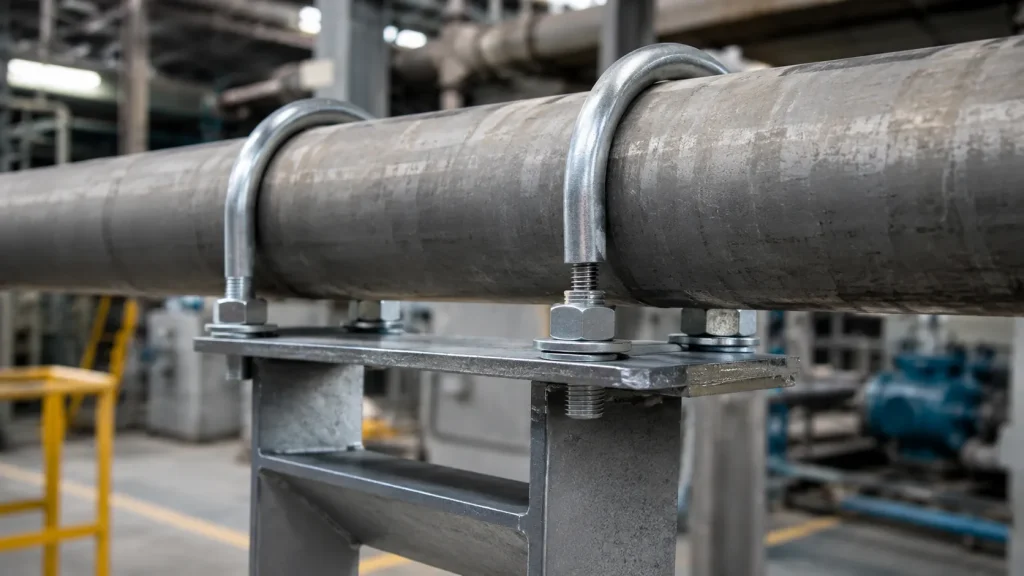
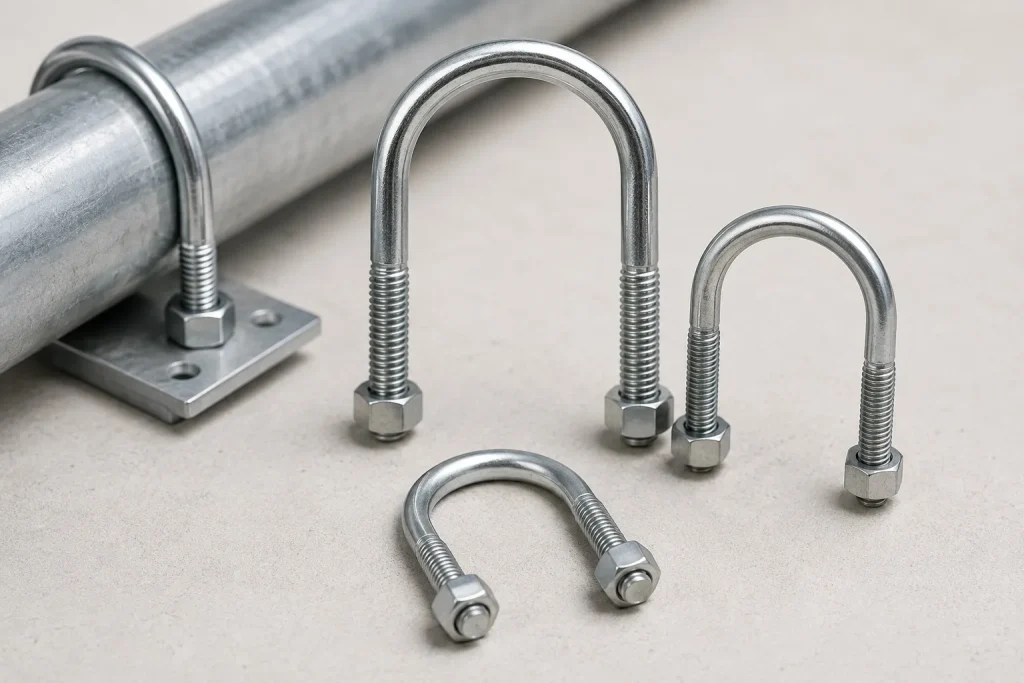
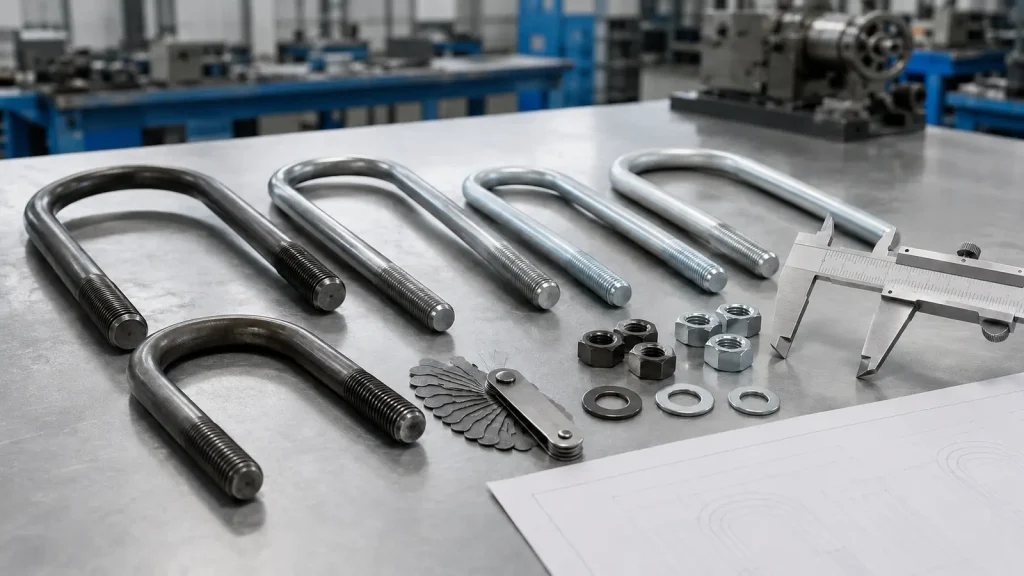
U-bolt ( / U-bolt, M10/M12/M16/M20/M24 multiple specifications)

U-bolt ( / U-bolt, M10/M12/M16/M20/M24 multiple specifications)

Brand: Wotu Surface: natural black oxide / hot-dip galvanized / blue-white zinc plated, multiple processes available Specifications: Based on common industry drawing parameters, suitable for pipe diameter 25mm~139.7mm, screw diameter M10~M24, total length can be nonstandard customized Matching: can be matched with nut, flat washer and spring washer of the same specifications for complete shipment Packaging: Bundling and packaging + 25kg export carton, full-container wooden pallet wrapped with film, supports private-label export packaging

Read More
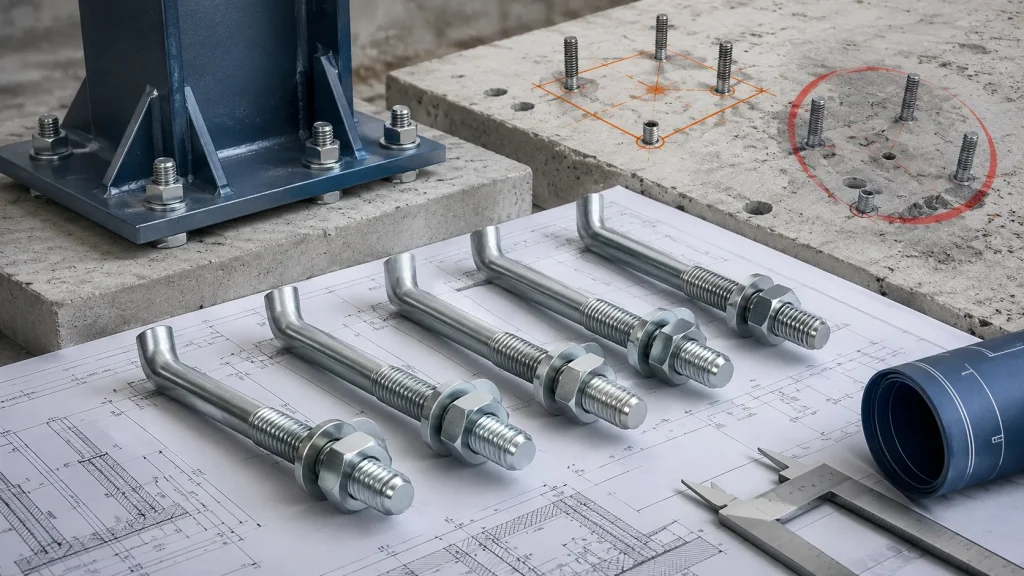
7-letter, 9-letter L-shaped anchor bolt (Chinese national standard GB/T799-1988 embedded anchor screw)

7-letter, 9-letter L-shaped anchor bolt (Chinese national standard GB/T799-1988 embedded anchor screw)

Brand: Wotu Surface: Natural black oxide treatment, customized hot-dip galvanized, zinc plated as required Specifications: Follow Chinese national standard GB/T799-1988, in stock M12-M48, total length 120mm~1500mm, nonstandard customized diameter, bending length, total screw length available Matching: Nuts, flat washers and spring washers of the same specification can be supplied in complete sets. Packaging: Bundling and packaging, using wooden pallets and film-wrapped export packaging in large quantities

Read More
Hex nut DIN934-1987 (A/B accuracy classification)

Hex nut DIN934-1987 (A/B accuracy classification)

Brand: Wotu Standard basis: German standard DIN934-1987, metric coarse thread/fine thread universal thread Surface: 304 stainless steel Specifications: M6~M24 full range of specifications Supporting equipment: same specification bolts, flat washer, spring washer complete set of shipment Packaging: 25kg standard carton, whole wooden pallet packaging

Read More
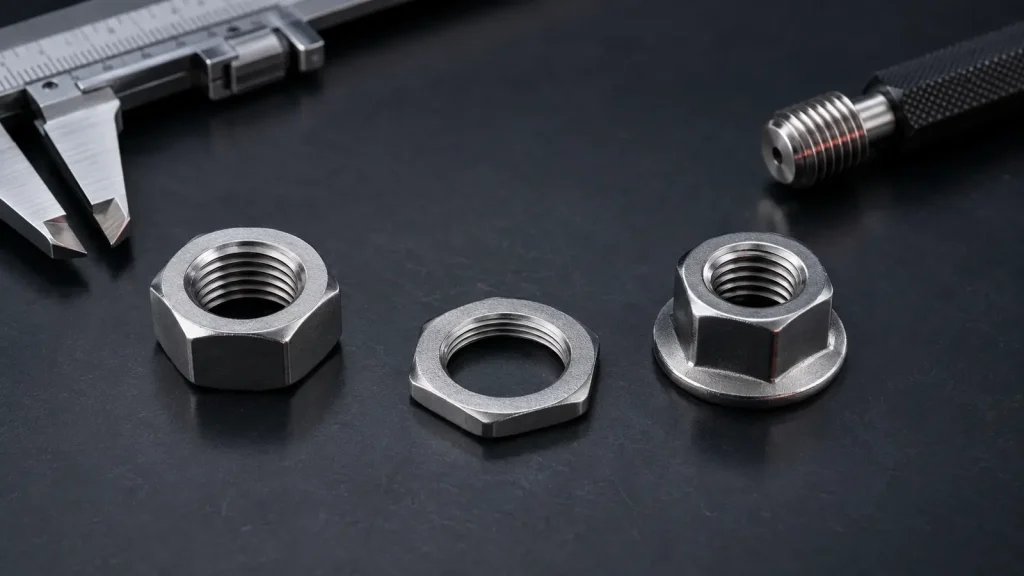
Hex thin nut

Hex thin nut

Brand: Wotu Surface: zinc plated Specifications: in stock M8~M64 full standard specifications, covering precision, machinery, and steel structure full size range, supporting nonstandard tooth pitch and customized thickness Matching: Can be matched with bolts of corresponding specifications, flat washer, spring washer complete set of shipment Packing: packed in 25kg cartons and packed on wooden pallets.

Read More
Hex nut (Chinese national standard GB52-1976)

Hex nut (Chinese national standard GB52-1976)

Brand: Wotu Surface: 304 stainless steel Specifications: in stock M6~M24 full standard metric specifications, supports nonstandard pitch, thickening/customized Matching: Can be matched with bolts of corresponding specifications, flat washer, spring washer complete set of supporting shipment Packaging: 25kg cartons, whole wooden pallets

Read More

Match the pictured fastener to the real assembly

Fastener identification guide

When comparing a pictured nut-and-bolt option, check the fastener type, thread standard, diameter, length, head and nut geometry, material, finish and application load. Ask which details can be confirmed from the image and which require a drawing, sample or measurement.

Criterion What To Check Why It Matters Buyer Tip
Fastener type shown in the picture Confirm whether the image shows a hex bolt, anchor bolt, U-bolt, stud bolt, hex nut, thin nut, washer, or an assembled set. Similar-looking fasteners can serve different jobs. A U-bolt for pipe support, for example, is not ordered with the same dimensions as a standard hex bolt and nut set. Can you mark the fastener type in the picture, or send separate photos of the bolt, nut, and washer?
Thread size and thread pitch Match the photo with a measured thread diameter and pitch, not only the visual appearance. Two bolts can look almost identical in a nut bolt pic but will not fit if the thread pitch or diameter is different. Please provide the thread size, pitch, and standard used, or send a close-up photo beside a thread gauge if the standard is uncertain.
Head, nut, and drive shape Look closely at the head style, nut height, chamfer, flange, slot, socket, or other drive features visible in the image. Head and nut geometry affects tool access, clamping area, assembly clearance, and whether the part matches an existing drawing. Do you need a standard hex head and hex nut, or should the quoted item match the exact head and nut shape in the photo?
Length and usable thread length Measure the overall bolt length, shank length, and threaded portion instead of relying on the picture scale. Camera angle and perspective make length hard to judge. The wrong thread length can prevent proper tightening or leave too little engagement. Can you send a simple sketch with overall length, thread length, and any unthreaded shank length marked?
Surface finish and application environment Identify whether the part appears plain, zinc plated, hot-dip galvanized, blackened, or stainless-looking, then confirm the required finish separately. A photo may not show the true coating, and finish choice affects corrosion resistance, fit with mating parts, and appearance. Where will the nut and bolt be used—indoor equipment, outdoor steelwork, pipe support, concrete anchoring, or another application?

What to confirm before ordering from a nut and bolt picture

What should a nut and bolt picture show? Include the complete fastener, a side view, the head and nut faces, and a ruler or other known scale. A close-up of the threads is also useful for distinguishing coarse from fine threads and identifying damage.

Pictures help with recognition; measurements determine fit. The bolt diameter, usable length, thread form, nut thickness and clearance around the head matter more than colour or overall appearance.

Start by separating the parts in the image. Record whether the fastener is a hex-head bolt, carriage bolt, U-bolt, anchor bolt, stud or another form, then identify the matching nut. Do not assume that every hex nut fits every hex-head bolt: thread diameter and pitch must correspond.

Measure the bolt below the head, not from the outermost point of the head, and note the unthreaded shank length if the joint depends on it. Check the available space for the head, nut and tool. A thin nut may suit a restricted space, but it is not automatically the right substitute for a standard nut in a load-bearing joint.

Confirm the thread system and material or coating required for the application. Mixing thread standards, selecting a coating that does not suit the environment, or matching parts only by nominal diameter can lead to poor engagement, corrosion or difficult assembly.

For an enquiry, send the clearest available pictures together with bolt diameter, length, thread details if known, required quantity and the application. If the original part is damaged, include an undamaged mating nut or a drawing so the replacement can be checked against the assembly.

Criteria Importance Description Example Options
Photo identification vs measured specification Critical for replacement accuracy A picture shows shape and general condition, while measurements confirm whether the part will fit. Buyers should not rely on appearance alone for thread, diameter or length. A hex-head bolt in a photo may look correct, but the replacement still needs confirmed diameter, pitch and under-head length.
Coarse thread vs fine thread Important for fit and assembly reliability Thread pitch must match the nut or threaded hole. Fine and coarse threads of the same nominal diameter are not interchangeable. A bolt may enter a nut for one or two turns and then bind if the pitch is wrong.
Standard nut vs thin nut Depends on available space and joint requirement A thin nut can help in a restricted space, but it provides less thread engagement than a standard nut. The choice should match the assembly design rather than the image alone. A thin nut may fit under a cover plate, while a standard nut may be preferred where full engagement is required.
Visible finish vs service environment Important when corrosion or appearance matters Colour or shine in a photo does not fully identify the coating or its suitability. The required finish should be confirmed against indoor, outdoor, humid, chemical or high-wear conditions. Two silver-coloured fasteners may have different surface treatments and different corrosion resistance.
Single replacement vs matched set Practical for maintenance and repair decisions A single replacement may work when the rest of the joint is sound. A matched nut-and-bolt set is safer to specify when thread wear, mixed standards or previous substitutions are possible. For old equipment with unknown fasteners, sending both the bolt and nut details reduces the risk of mismatch.

Blog Articles / Reviews

Anchor Bolts: 7 Ordering Errors That Cause Site Rework

Anchor Bolts: 7 Ordering Errors That Cause Site Rework

ost anchor bolt ordering errors come from incomplete drawings, unclear dimensions, unsuitable material or coating choices, undefined tolerances, and mismatched nuts or washers. These mistakes affect steel fabricators, EPC contractors, equipment installers, importers, and distributors because anchor bolts are usually embedded before the connected structure arrives on site. Once concrete has cured, even a small […]

Why Do U Bolts Loosen in Pipe Supports? 6 Causes and Prevention Methods

Why Do U Bolts Loosen in Pipe Supports? 6 Causes and Prevention Methods

U bolts usually loosen in pipe supports because the connection loses clamping force, receives continuous vibration, restricts thermal pipe movement, uses an incorrectly sized U bolt, experiences surface settlement, or suffers from corrosion and inadequate inspection. This issue affects EPC contractors, pipe installers, industrial maintenance teams, equipment manufacturers and fastener distributors working with water, oil […]

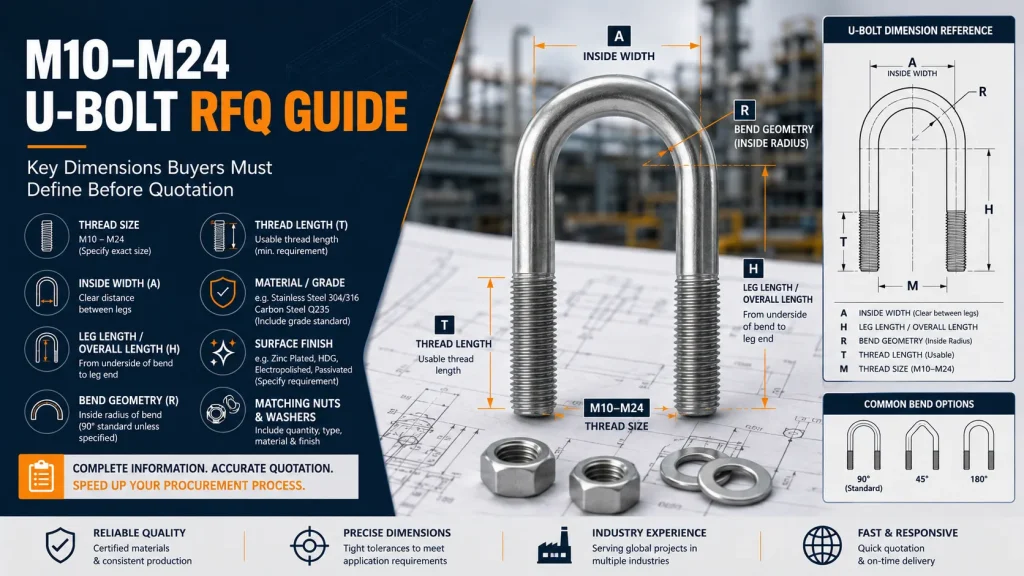
Which M10–M24 U-Bolt Measurements Must Buyers Send Before an RFQ?

Which M10–M24 U-Bolt Measurements Must Buyers Send Before an RFQ?

Direct Answer: For an M10–M24 U-bolt RFQ, buyers should send a dimensioned drawing that defines thread diameter, inside width, leg or overall length, bend geometry, thread length, application diameter, material or grade requirement, surface finish, matching nuts/washers, quantity, and packing needs. Nominal thread size alone is not enough because different measurement datums can produce U-bolts […]

Hex Thin Nut vs Standard Hex Nut: Which Fits Space-Limited or Locking Assemblies?

Hex Thin Nut vs Standard Hex Nut: Which Fits Space-Limited or Locking Assemblies?

Direct Answer: Choose a hex thin nut when reduced nut height is genuinely required by the assembly or when the engineering design specifies it as part of a locking arrangement. Choose a standard hex nut when full nut height, normal thread engagement, and the specified load-bearing function are required. Buyers should compare nut height, thread […]

How Should Buyers Select Chinese and German Standard Hex Nuts?

How Should Buyers Select Chinese and German Standard Hex Nuts?

Direct Answer: Select a hex nut by the exact standard number and edition, thread diameter and pitch, nut style, property class, material, finish, mating bolt and acceptance method. “Chinese standard” or “German standard” alone is not a complete specification. Regular, thick, thin and flange nuts can differ in geometry and load behavior, so buyers should […]

What Should Buyers Verify When Comparing Bolt Manufacturers?

What Should Buyers Verify When Comparing Bolt Manufacturers?

A bolt manufacturer should be evaluated against a defined joint, drawing and acceptance plan—not a product list or unit price alone. Buyers need to verify whether the supplier can manufacture the required geometry, control material and heat-treatment requirements where applicable, manage threads and coatings as one dimensional system, inspect critical characteristics, preserve batch traceability and […]

Frequently Asked Questions

Can a photo identify the exact nut and bolt size?

A photo can narrow down the fastener type, head shape, nut style and visible coating, but it usually cannot confirm the exact size by itself. Add a ruler, caliper reading, thread pitch information or the original drawing if the part must fit an existing assembly.

What is the most common mistake when matching a fastener from an image?

The most common mistake is choosing a similar-looking part without checking the thread. Two bolts can have the same apparent diameter but different pitch or thread standard, which can damage the nut or leave too little thread engagement.

Is a standard hex nut always suitable for a hex-head bolt?

Only if the diameter, thread pitch and strength requirement match the bolt and application. Nut thickness also matters: a thin nut may save space, while a standard nut usually provides more thread engagement.

What should I send if the old bolt is broken or badly corroded?

Send photos of the broken fastener, the mating nut or threaded hole, and the installation position. If possible, also send one undamaged sample from the same assembly, because corrosion and fracture can hide the original thread and length details.

How do I choose between replacing one part and changing the whole nut-and-bolt set?

Replace only the damaged part when the mating thread is clean, undamaged and correctly matched. Change the set if the threads are worn, the coating has failed, the nut has rounded corners, or the assembly history is uncertain.

What purchasing details matter after the picture is reviewed?

Confirm the fastener type, thread diameter and pitch, bolt length, nut style, material or grade requirement, surface finish, quantity and application. If the joint has load, vibration, heat or outdoor exposure, mention that before selecting a substitute.

Leave Your Message

Please send a clear nut-and-bolt picture, the bolt diameter and length, and the intended application or required quantity so the specification can be reviewed.