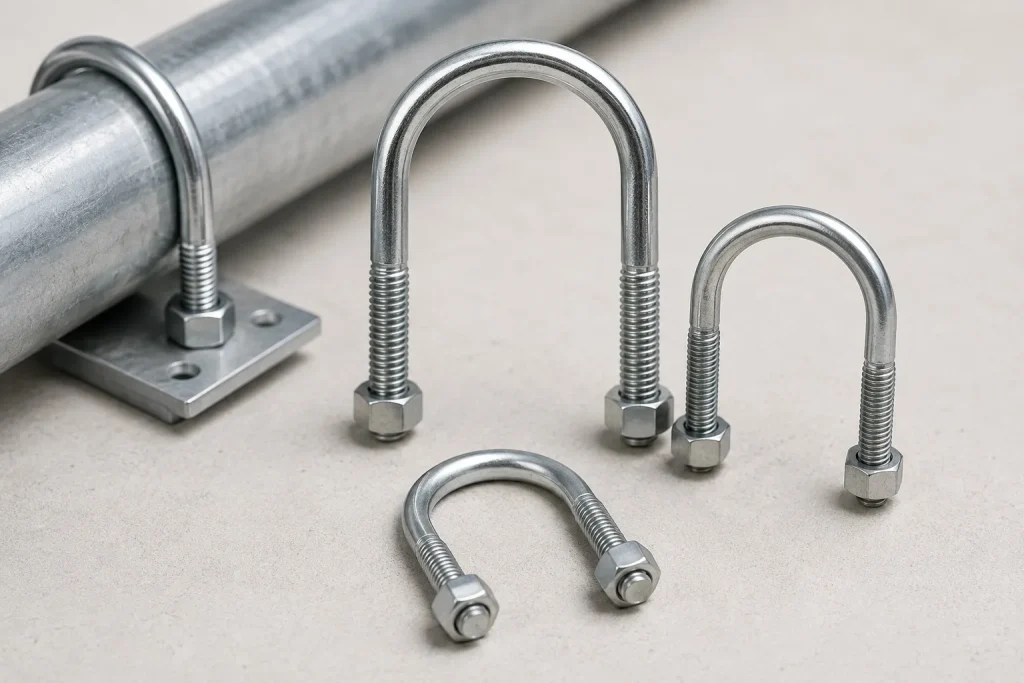
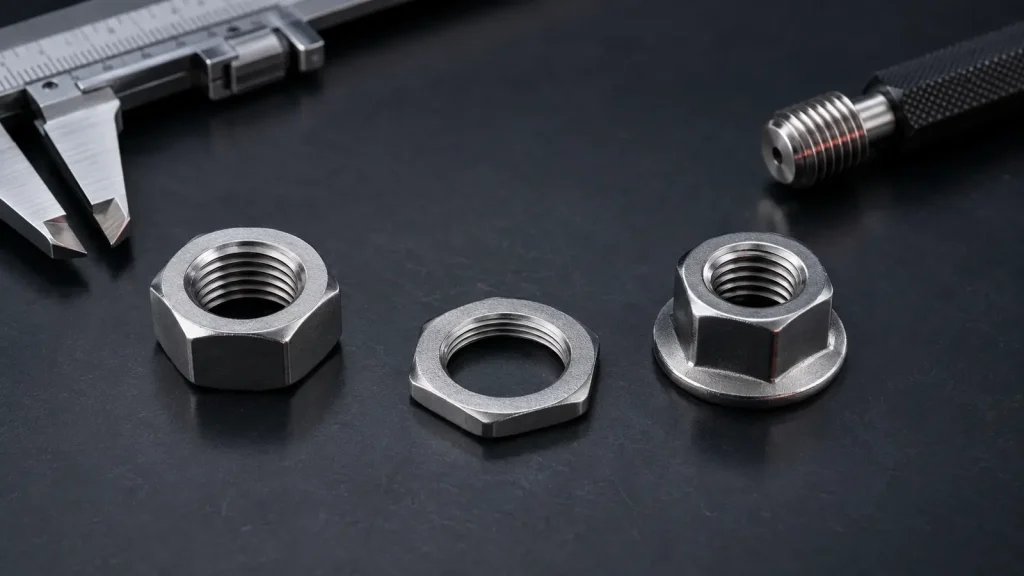
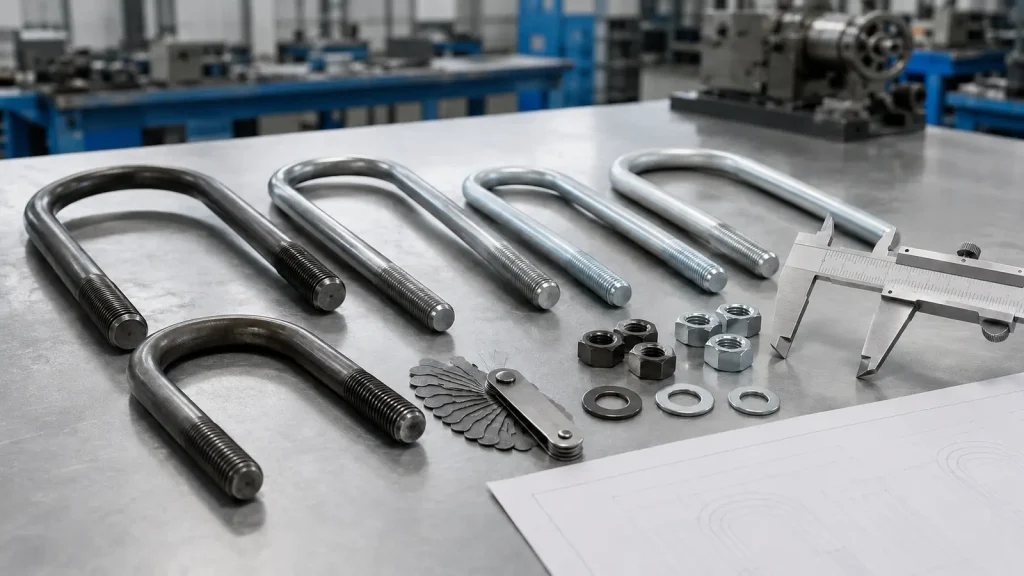
The practical difference is that a bolt usually needs a nut or tapped hole to create clamping force, while a nut cannot fasten anything unless it matches an external thread. This matters because buyers often order one side of the assembly without checking thread pitch, standard, coating thickness or strength class compatibility.
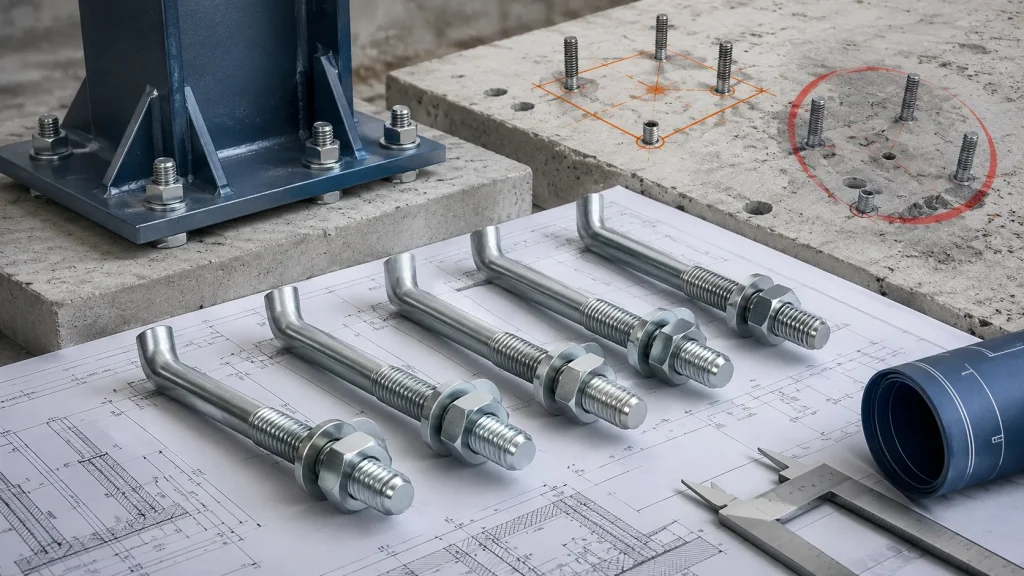
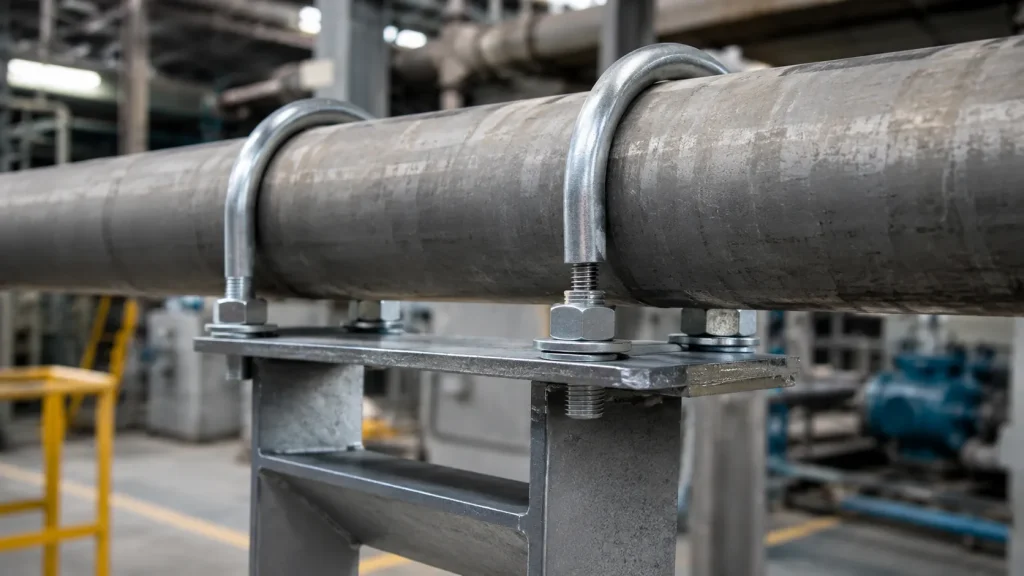
A through-bolted joint with a nut is useful where both sides of the joint are accessible and replacement is expected. A bolt into a tapped part can save space and parts count, but it depends on the strength and thread condition of the base material. For structural frames, pipe supports, machinery bases and brackets, confirm the full assembly before treating the nut and bolt as separate commodity items.
Start with the joint, not the fastener name. Check whether the bolt will pass through a clearance hole, screw into a tapped hole, or hold with a nut and washer. That decision affects bolt length, thread length, head style, washer use and the amount of exposed thread after tightening.
Match the nut and bolt standard carefully. A metric bolt must use a compatible metric nut, and thread pitch is just as important as diameter. Standards can also affect across-flat dimensions, height, chamfer style and marking practices, so do not assume two parts with the same nominal size will assemble correctly.
Think about load and loosening risk. A standard hex nut may suit many assemblies, while a thin nut is often selected where space is limited or as a locking/jam nut in the right arrangement. In vibration, pipe supports or outdoor structures, buyers should also ask about washer choice, thread engagement, surface finish and any locking method rather than relying on extra tightening alone.
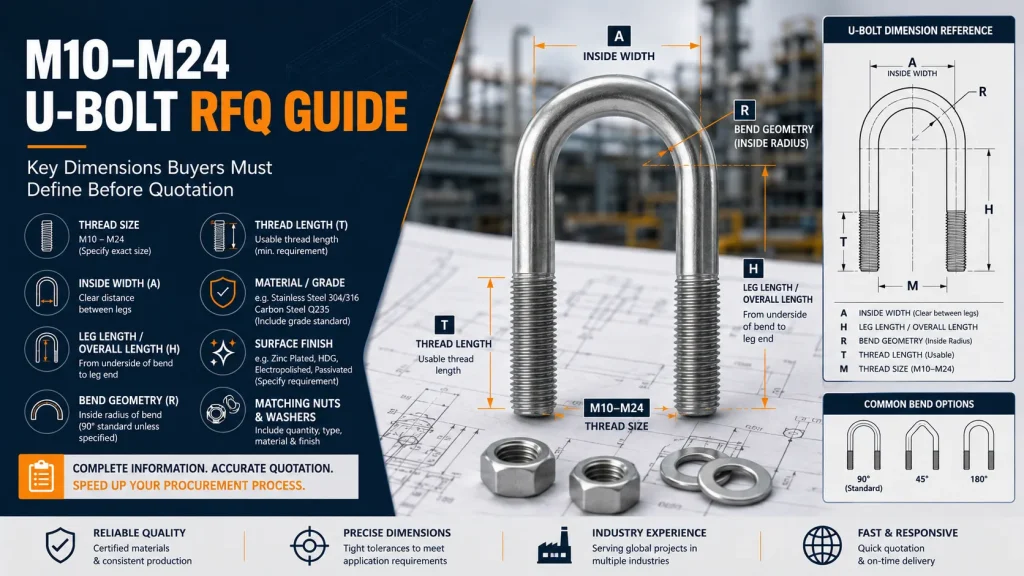
Avoid ordering from a short description such as “M16 bolt and nut” if the assembly is important. Send the diameter, pitch, length, standard, material or strength class requirement, finish, quantity and application conditions. If you are replacing an existing part, a drawing or clear photos with measured dimensions will reduce the chance of a mismatch.